

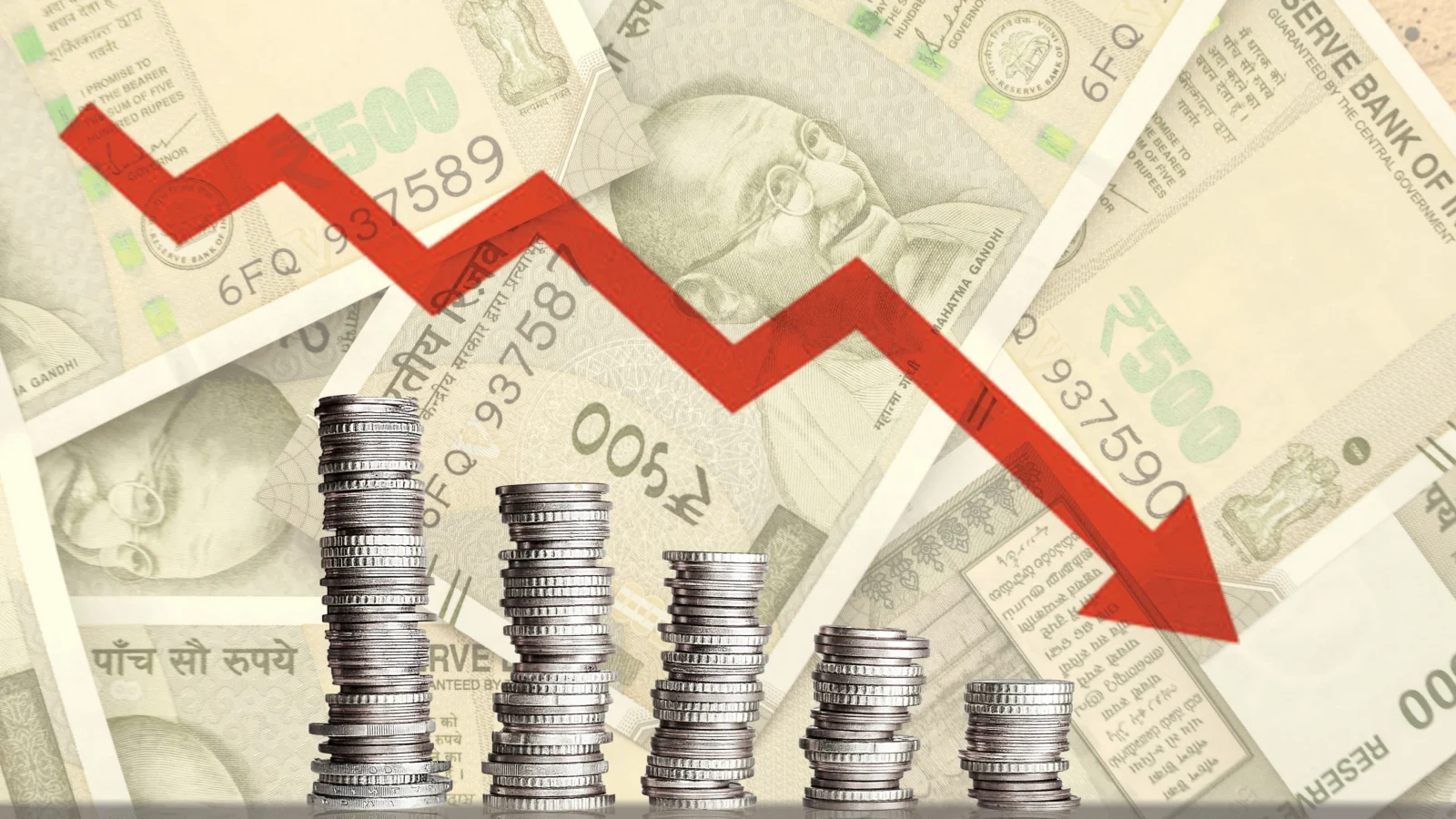
The recent rupee weakness has become a defining factor in how manufacturing hubs in smaller Indian cities are evolving. This shift is influencing export competitiveness, local investment patterns, and the pace at which Tier III regions are integrating into national supply chains.
Tier III manufacturing clusters are responding to currency-driven pressures with a mix of cost-focused strategies, new product lines, and an increased appetite for export-oriented production. The combination of lower operating costs and higher global demand for price competitive goods is changing how businesses in these cities operate.
Rupee weakness and its impact on local manufacturing economics
A weaker rupee improves export margins for Indian manufacturers while raising the cost of imported machinery, components, and raw materials. Tier III manufacturers, who traditionally operate on tighter margins, are adjusting quickly. Many units are prioritising domestically sourced inputs and focusing on product categories that can be exported with limited reliance on imported parts.
Cities such as Morbi, Rajkot, Solapur, Tiruppur, Ludhiana, and Coimbatore are examples of clusters where currency shifts affect decisions on inventory, pricing, and capacity expansion. Small and mid sized factories are adapting by recalibrating their working capital cycles, often negotiating longer payment terms or consolidating suppliers to manage volatility.
Export competitiveness and the shift toward global markets
As rupee movements make Indian goods more attractive abroad, Tier III manufacturers are finding fresh opportunities in global supply chains. Sectors that already have strong export footprints such as textiles, ceramics, engineering components, leather products, and food processing are experiencing a renewed push.
Exporters in smaller cities are also investing in compliance, packaging, and quality upgrades because global buyers are seeking reliable alternatives to higher cost manufacturers. Even enterprises that were previously domestic focused are exploring small export consignments through online B2B marketplaces or aggregator-led logistics networks.
Secondary keywords like global demand and export competitiveness fit naturally into this conversation because they reflect real shifts occurring in these markets.
Rising inward investment and expansion of ancillary ecosystems
Rupee weakness is also influencing investment decisions. Larger manufacturers from metros are expanding or relocating certain production lines to Tier III regions to reduce operational costs and improve export pricing. This trend is accelerating the creation of ancillary industries such as tooling, packaging, maintenance, and logistics.
State governments are supporting the transition by providing incentives for industrial estates, warehousing zones, and cluster based infrastructure. As transportation networks improve, Tier III hubs are becoming more integrated with major ports and freight corridors.
Recruitment patterns are also changing. Manufacturing units in smaller cities are hiring skilled workers who previously migrated out to metro hubs. Local training institutes are updating courses to meet demand for CNC operators, quality technicians, machine supervisors, and logistics coordinators.
Technology upgrades and strategic cost controls in smaller factories
Manufacturers in Tier III regions have historically delayed automation due to cost sensitivity. But the combination of rupee weakness and competitive pressure is pushing many to adopt selective technology upgrades. Factories are investing in energy efficient machines, digital inventory tools, and basic automation to offset rising raw material costs.
These upgrades reduce wastage, improve throughput, and enable smaller firms to meet export quality standards more consistently. The focus is on incremental modernisation rather than large capital expenditure. It aligns with the way Tier III entrepreneurs manage business risks, emphasising sustainability over aggressive scale.
At the same time, cost control strategies have tightened. Many factories are restructuring production shifts, improving procurement efficiency, and reducing dependence on imported consumables. Some clusters are pooling resources for logistics and compliance to reduce overheads.
Takeaways
A weaker rupee is improving export competitiveness for Tier III manufacturers.
Local clusters are shifting to domestic inputs to manage cost pressure.
Investment flows and infrastructure upgrades are strengthening smaller manufacturing hubs.
Technology adoption is rising as factories seek efficiency and better margins.
FAQs
How does a weaker rupee benefit Tier III manufacturers?
It improves export margins, making locally produced goods more competitive in the global market. This benefits clusters already involved in export oriented categories such as textiles, ceramics, and engineering products.
Does rupee weakness increase operating costs for small factories?
Yes, if factories rely on imported machinery or raw materials. Many Tier III units are reducing this exposure by sourcing domestically or redesigning product lines.
Why are larger companies expanding production into Tier III cities?
Lower land and labor costs, improving logistics, and better export competitiveness make Tier III locations attractive for expansion, especially during currency fluctuations.
Are smaller cities becoming more export focused?
Yes. Many local manufacturers are exploring export markets through online channels, aggregator logistics, and improved compliance capabilities.












Leave a comment