

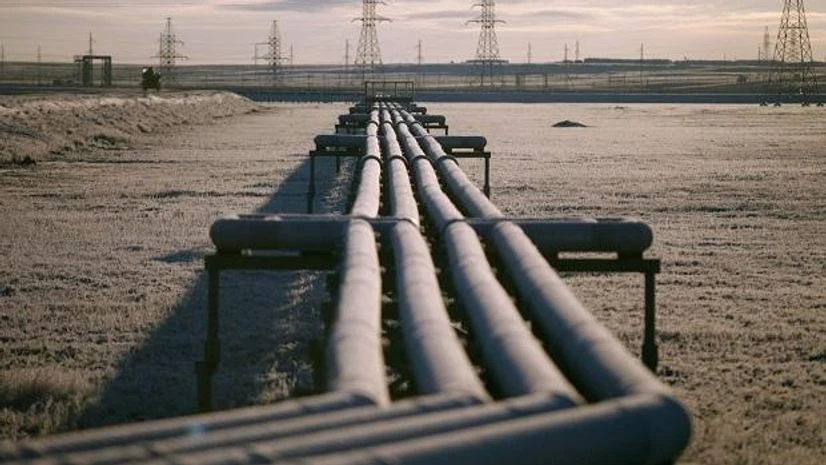
Rising gas pipeline tariffs is the main keyword driving a shift in the economics of natural gas distribution across India. GAIL’s mixed outlook, combined with evolving policy signals, is creating uncertainty around future pricing patterns in non metro markets where industrial users and households rely on stable energy costs.
The topic is time sensitive, so the tone follows a news reporting style. The focus is on verified market behaviour, the structure of pipeline tariffs and the operational constraints influencing GAIL’s projections. Non metro regions are particularly sensitive to tariff changes because transport cost forms a substantial share of their delivered gas price.
Why pipeline tariffs are rising and how the structure works
Secondary keywords: gas transmission cost, pipeline network rules
Pipeline tariffs are determined based on capital investment, operating costs and expected returns for companies that build and maintain the network. As new pipeline segments become operational and older networks require upgrades, tariff revisions are routine. Rising input costs, higher interest rates and expansion into longer routes have increased the cost burden on gas companies.
The tariff structure in India uses a pooled mechanism for certain pipelines and zonal distance based pricing for others. Non metro markets often lie in zones where transport distances are longer, which results in higher end user prices. When transmission costs rise, the impact on customers is sharper outside major industrial corridors because they depend heavily on pipeline linked gas for manufacturing, small scale production and local distribution companies supplying PNG and CNG.
GAIL’s mixed outlook and its potential influence on pricing decisions
Secondary keywords: GAIL forecast, transmission capacity
GAIL, India’s largest gas transmission company, maintains a cautious outlook due to fluctuating global LNG prices, demand uncertainties in industry and ongoing pipeline expansions. Although domestic production has improved, imported gas still plays an important balancing role. When global markets weaken or fluctuate sharply, GAIL adjusts its volume commitments and pricing strategies.
A mixed outlook indicates that GAIL expects uneven demand growth in sectors like power generation, city gas distribution and fertilisers. This affects how much capacity the company can allocate to different regions. If demand in certain corridors remains lower than expected, the cost recovery burden increases in other segments, which can indirectly push tariffs upward. For non metro markets already facing higher transport charges, such shifts can influence the final price paid by small industries and households.
Impact on industrial users in Tier 2 and Tier 3 cities
Secondary keywords: small industry energy cost, regional manufacturing
Industrial clusters in smaller cities depend on cost stable gas supply for processes like ceramics production, food processing, metal fabrication, textiles and chemicals. Many of these units operate on thin margins and control costs tightly. Any rise in pipeline tariffs increases delivered gas prices, which forces manufacturers to either absorb costs or raise product prices.
In regions where alternatives like LPG, biomass or diesel are available, industries may partially shift away from piped natural gas if the price gap widens. Such shifts reduce overall gas demand, creating further pressure on transmission companies to recover costs through tariffs. For clusters in cities like Morbi, Coimbatore, Aurangabad or Jaipur, even small tariff changes alter monthly operational budgets significantly. The impact is also visible in CNG prices, which affect commercial transport costs in non metro areas.
Effect on local distribution companies and household users
Secondary keywords: PNG pricing, local gas distributors
City gas distributors operating in smaller towns buy gas from suppliers who factor both commodity price and transport cost into supply agreements. Higher pipeline tariffs raise procurement costs for these companies. For household PNG users, the increase may be modest because domestic pricing is managed carefully to avoid demand loss. However, commercial PNG users like hotels, restaurants and small bakeries feel the impact more strongly.
Local distribution companies may also delay network expansion if cost pressures continue. Expanding pipelines into new neighbourhoods or smaller towns requires capital investment that becomes harder to recover when transmission charges rise. This slows down gas penetration in regions targeted for broader PNG coverage.
How policymakers may balance tariff pressure and regional growth needs
Secondary keywords: regulatory oversight, energy affordability
Energy regulators must balance cost recovery for transmission companies with affordability for end users. Policymakers often look at phased tariff increases or pooled mechanisms to avoid steep shocks. They also evaluate productivity gains when expanding pipelines into underserved markets. If rising tariffs risk slowing down gas adoption in non metro regions, regulators could adjust the tariff formula or consider targeted relief for specific segments.
For regions where gas plays a key role in industrial development, affordable pricing is crucial. States may intervene by offering local tax rebates, easing permissions for distribution networks or negotiating long term supply agreements to stabilise costs. Maintaining adoption momentum is important for both environmental goals and regional economic competitiveness.
Takeaways
Pipeline tariffs are rising due to higher network costs and expansion needs
GAIL’s mixed outlook adds uncertainty to future pricing patterns
Non metro industries face sharper cost impacts due to longer transport distances
Local gas distributors may slow expansion if procurement costs rise further
FAQ
Why do rising gas pipeline tariffs affect non metro markets more?
Transport distances are typically longer in smaller cities, so the tariff component forms a larger share of the final delivered gas price.
How does GAIL’s outlook influence pricing?
Uneven demand and global price volatility shape GAIL’s capacity planning and cost recovery, which affects tariff structures.
Will households see significant price increases?
Household PNG impact is usually limited, but commercial users like restaurants may see higher costs.
Can policy changes help manage tariff pressures?
Regulators may use pooled tariffs or phased increases to balance affordability with cost recovery for transmission companies.












Leave a comment