

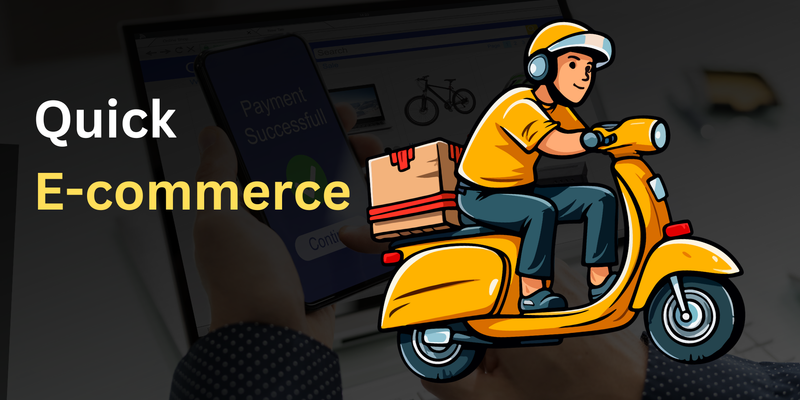
Quick commerce platforms are rapidly becoming one of the most important advertising channels in India. As consumers spend more time shopping through instant delivery apps, brands are shifting marketing budgets toward platforms that offer direct access to purchase-ready customers.
Quick commerce has evolved beyond a convenience service into a powerful advertising ecosystem. Industry leaders such as Blinkit, Zepto, and Swiggy Instamart are increasingly attracting advertising investments from consumer brands seeking measurable returns and stronger customer engagement.
Why Quick Commerce Is Becoming an Advertising Hotspot
Quick commerce platforms have experienced significant growth over the past few years. Initially designed to deliver groceries and daily essentials within minutes, these apps have expanded into categories including personal care, electronics, beverages, household products, and health items.
This is a time-sensitive business trend because major media and advertising executives have recently highlighted quick commerce as one of the fastest-growing channels for brand spending in India.
Unlike traditional advertising channels, quick commerce platforms reach consumers at the point of purchase. Users opening these apps are often ready to buy, making them highly valuable audiences for brands.
For marketers, this creates a unique opportunity. Instead of spending heavily on awareness campaigns alone, companies can place products directly in front of consumers who are actively shopping. This shortens the path from advertisement to purchase and improves campaign effectiveness.
Retail Media Networks Are Reshaping Brand Marketing
A major reason behind the growing interest in quick commerce advertising is the rise of retail media networks. These networks allow brands to advertise within shopping platforms through sponsored listings, banner placements, search promotions, and personalized recommendations.
Retail media has already become a significant revenue source for large ecommerce companies globally. India’s quick commerce players are now following a similar path.
Brands selling packaged foods, beauty products, beverages, snacks, and household goods are increasingly competing for visibility inside these apps. Appearing at the top of search results or category pages can significantly influence purchase decisions.
For example, a consumer searching for cooking oil or shampoo may see promoted products before organic listings. This visibility often translates directly into sales, making retail media investments attractive for advertisers seeking measurable outcomes.
Consumer Brands Are Redirecting Marketing Budgets
Advertising budgets are gradually shifting toward performance-driven channels. Quick commerce platforms provide detailed insights into customer behavior, purchase patterns, and campaign performance.
This level of measurement is difficult to achieve through many traditional advertising formats. Brands can track impressions, clicks, conversions, repeat purchases, and return on advertising spend with greater precision.
As a result, fast-moving consumer goods companies, direct-to-consumer brands, and emerging startups are allocating larger portions of their marketing budgets to quick commerce campaigns.
The trend is particularly important for new brands. Rather than investing heavily in nationwide television campaigns, smaller companies can use targeted advertising within quick commerce apps to reach consumers efficiently.
This approach allows startups to compete alongside larger brands while maintaining tighter control over marketing expenses.
The Growing Importance of Tier-2 and Tier-3 Markets
One reason advertisers are paying close attention to quick commerce is the expansion of these services beyond major metropolitan areas.
Several platforms have accelerated their presence in Tier-2 and Tier-3 cities, where digital adoption and online shopping activity continue to rise. Consumers in these markets are becoming increasingly comfortable purchasing everyday products through mobile applications.
For brands, this expansion creates access to new customer segments without requiring large investments in physical retail infrastructure.
Regional brands can also benefit from platform-based advertising. Instead of relying solely on local distribution channels, they can gain visibility among digitally active consumers through targeted campaigns.
This shift is helping create a more competitive advertising environment where both national and regional brands can reach customers at scale.
What the Future Holds for Advertising and Quick Commerce
The competition among quick commerce platforms is expected to intensify as advertising becomes a larger revenue stream. Companies are investing in better targeting tools, customer analytics, and advertising formats designed to improve brand performance.
Artificial intelligence is also expected to play a greater role in campaign optimization. Platforms can use shopping data to recommend products more accurately and deliver personalized advertisements.
As consumer attention becomes increasingly fragmented across digital channels, advertisers are likely to prioritize platforms that combine discovery, engagement, and purchase within a single ecosystem.
Quick commerce offers exactly that advantage. Consumers can see a product, evaluate it, and purchase it within minutes. This seamless journey is one reason why many marketers view quick commerce as the next major battleground for advertising investment in India.
Key Takeaways
- Quick commerce platforms are emerging as major advertising channels for consumer brands.
- Retail media networks are creating new revenue opportunities for quick commerce companies.
- Brands value these platforms because they reach consumers at the point of purchase.
- Expansion into Tier-2 and Tier-3 cities is increasing advertising opportunities across India.
FAQs
What is quick commerce advertising?
Quick commerce advertising refers to promotional placements within instant delivery platforms where brands pay for visibility through sponsored listings, banners, and search-based promotions.
Why are advertisers investing in quick commerce platforms?
These platforms reach consumers who are actively shopping, making it easier for brands to generate measurable sales and improve marketing efficiency.
Which industries benefit most from quick commerce advertising?
Fast-moving consumer goods, personal care, food and beverage, household products, and direct-to-consumer brands are among the biggest beneficiaries.
How does quick commerce differ from traditional advertising?
Quick commerce connects advertising directly with purchasing activity, allowing consumers to discover and buy products within the same platform.
(Keyword Suggestions: quick commerce advertising, retail media networks, digital advertising India, consumer brand marketing, Blinkit advertising, Zepto marketing, Swiggy Instamart ads, ecommerce advertising trends, retail media growth, performance marketing India)










Leave a comment