

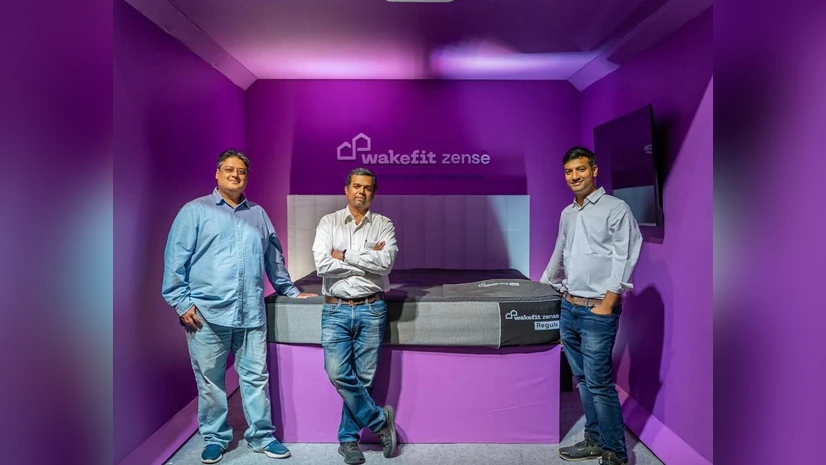
The upcoming Wakefit Innovations IPO is a time sensitive development and carries wider implications for India’s middle class home furnishing demand. The Wakefit IPO highlights a shift in consumer spending patterns, especially in non metro markets where organised home furnishing brands are gaining fast traction.
The public offering comes at a moment when home improvement, furniture upgrades and mattress purchases are becoming standard spending decisions for families outside major cities. The IPO provides a direct look into how demand is moving and what it reveals about India’s next consumption wave.
Rising home furnishing demand in smaller cities
Secondary keyword: home furnishing market trends
Wakefit’s growth trajectory shows a significant portion of its customer base coming from non metro regions. The home furnishing market in Tier 2 and Tier 3 cities has expanded because of rising household incomes, growing access to online retail and a shift in aspirations toward better designed living spaces. More buyers are upgrading from unbranded furniture to organised products that offer durability, design consistency and faster delivery.
Smaller cities have recorded higher order volumes during festival seasons, end of year sales and new housing cycles. Increasing construction of affordable housing in states like Karnataka, Maharashtra, Uttar Pradesh and Tamil Nadu has amplified demand for mattresses, wardrobes, beds, study tables and ergonomic furniture. Wakefit’s ability to scale in these markets suggests long term consumption patterns rather than seasonal fluctuations.
What the IPO indicates about consumer confidence
Secondary keyword: middle class spending patterns
A company entering the public market often reflects confidence in the stability of its demand and revenue model. The Wakefit IPO indicates that middle class families are willing to spend more on home comfort, better product quality and functional design. This shift marks a departure from earlier decades where home furnishing was a low priority expense for most households.
Digital adoption has further accelerated the shift. Installment based purchases, easy returns and hybrid retail models have allowed buyers in smaller towns to explore multiple options without depending on local furniture makers. Data from the broader home improvement sector shows consistent buying behavior from working professionals, students, small business owners and families upgrading to new homes.
The IPO also signals the credibility of consumer brands built on direct to consumer channels. If the offering performs well, more home category startups may consider capital market routes, strengthening the organised sector further.
Impact on organised home retail expansion
Secondary keyword: organised retail growth
A strong listing can encourage new store openings, warehouse expansion and broader distribution networks. Organised home retail brands often use IPO funding to strengthen backend infrastructure, expand local manufacturing and enter new geographies. In smaller cities, the availability of branded furniture and home essentials can reshape how consumers make purchase decisions.
The presence of organised players introduces standard pricing, structured warranties and consistent after sales support. These factors are increasingly important for middle class buyers who look for value products rather than the cheapest option. Wakefit’s strategy of combining online reach with experience stores has resonated with smaller city customers who prefer to compare products physically before buying.
Competitors in the space may also accelerate their expansion plans. As organised brands increase visibility in non metro markets, consumer expectations rise, pushing both offline retailers and local carpenters to improve quality.
Why capital markets are watching the home furnishing category
Secondary keyword: consumer sector outlook
The home furnishing category aligns with long term consumer sector growth. As India’s working population expands and more families move into owned or rented homes, spending on household products is expected to sustain. Investors view companies in this space as steady performers because demand does not depend solely on economic cycles.
IPOs in the consumer sector often attract diversified investors due to predictable cash flows and wide addressable markets. Wakefit’s strong presence in smaller cities makes it particularly relevant because these regions are driving incremental consumption. With improving logistics and better road connectivity, last mile delivery for bulky items has become more reliable, encouraging higher order values.
The IPO also tests market appetite for digital first consumer brands. Positive reception may influence how future direct to consumer companies evaluate long term funding strategies.
Takeaways
Home furnishing demand in smaller cities is rising due to higher incomes and better access to organised brands
The Wakefit IPO signals stronger middle class confidence in quality home products
Organised retail expansion will intensify if the IPO performs well
Capital markets see long term stability in home improvement and furnishing sectors
FAQs
Why is Wakefit’s IPO important for smaller city markets?
It highlights growing demand for branded mattresses and furniture in non metro regions and indicates that these consumers are now driving a significant share of growth.
Does the IPO reflect broader middle class spending trends?
Yes. Middle class families are prioritising comfort, design and durable products, showing higher willingness to spend on home improvement.
How could the IPO impact competitors?
A successful listing may push other home furnishing brands to expand faster, strengthen supply chains and enter smaller cities more aggressively.
Will consumers benefit from the growth of organised home retail?
Consumers gain better product quality, transparent pricing, faster delivery and reliable after sales support as more organised players expand into their regions.












Leave a comment