

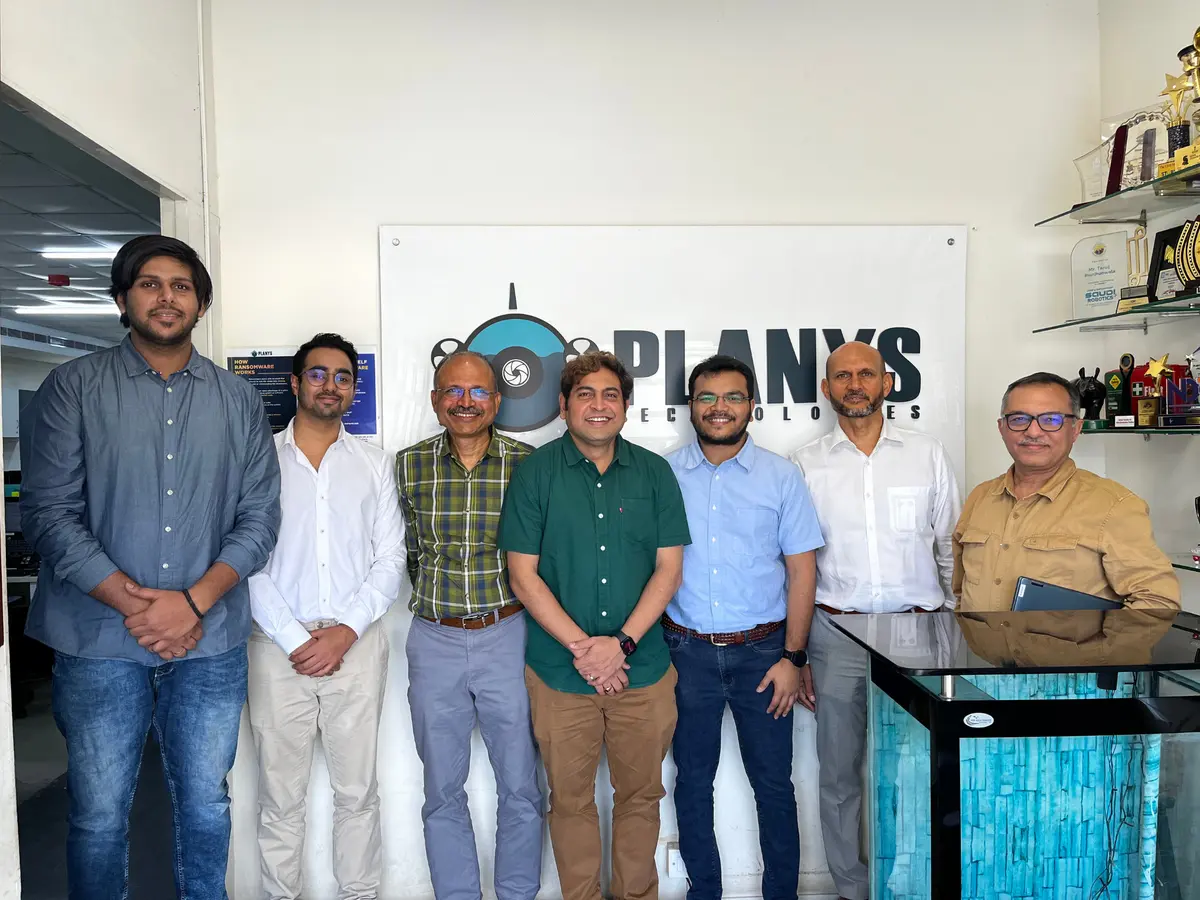
Planys Technologies 100 crore raise has pushed defence oriented deep tech into focus, and the main keyword anchors this time sensitive development. The funding signals stronger investor appetite for technologies that support underwater inspection, surveillance and national security, marking a shift in how strategic tech is financed in India.
The deal arrives at a time when defence innovation is expanding rapidly across naval systems, autonomous platforms and industrial inspection solutions. Planys, known for its remotely operated vehicles and underwater robotics capabilities, has secured a significant round to scale manufacturing, deepen R and D and pursue defence contracts. The investment also reflects confidence in deep tech business models that require longer development cycles but offer substantial strategic value.
Why this round matters for defence deep tech momentum
Secondary keywords like defence innovation and investor confidence help explain the significance of the raise. Deep tech startups often face challenges due to high capital requirements and long product validation timelines. A 100 crore round stands out because it exceeds the funding levels typically seen in hardware focused defence startups.
The deal indicates that investors believe the sector is maturing. With increasing demand for indigenous defence capabilities, technologies such as underwater drones, autonomous robotic systems and advanced inspection tools are gaining commercial and national security relevance. Planys has demonstrated operational deployments in critical infrastructure and marine environments, giving investors clarity on revenue pathways.
The role of government spending and procurement reforms
Government procurement remains a critical driver for defence focused startups. Secondary keywords like defence procurement and indigenous manufacturing provide context. India’s defence budget has consistently allocated more funds toward modernisation and domestic technologies. Initiatives under Make in India and iDEX have opened the door for startups to participate in projects previously dominated by large defence and public sector units.
Reforms that streamline testing, procurement and vendor qualification have improved visibility for private companies. These policy shifts support investor confidence, as startups can pursue structured contract opportunities. For firms like Planys, the combination of private capital and public defence spending creates stable avenues for growth.
Growing appetite for deep tech among private investors
Secondary keywords such as deep tech investing and hardware funding trends highlight investor behaviour. Over the past few years, venture capital has gradually shifted toward sectors with defensible intellectual property and high entry barriers. Defence technology fits this thesis well because it relies on engineering strength, long product life cycles and reliable margins once contracts are secured.
Capital flows into deep tech have been slower compared to SaaS, fintech or consumer tech, but they have become more consistent. Investors are now willing to back hardware companies earlier, provided the startup can show clear use cases and successful field deployments. Planys raising a large round sends a positive signal to peers working in drones, aerospace systems, sensor technologies and advanced materials.
Impact on India’s underwater robotics and maritime security ecosystem
Underwater robotics is a niche but strategic segment. Secondary keywords like maritime security and underwater inspection describe its importance. Critical infrastructure such as ports, bridges, dams and offshore assets require continuous monitoring. India’s growing naval presence also demands technologies that can support surveillance, reconnaissance and underwater maintenance.
Planys has built competence in remotely operated vehicles tailored to industrial and defence applications. The new funding allows the company to increase manufacturing capacity and expand into deeper water capabilities. This progress benefits India’s maritime ecosystem by reducing dependence on foreign technologies and accelerating the development of indigenous robotics talent.
How this funding round influences the wider startup ecosystem
Secondary keywords such as deep tech ecosystem and defence startup growth show the broader implications. A successful raise of this scale motivates other engineering and research oriented startups to pursue larger rounds. It also signals to investors that deep tech is becoming commercially viable.
This round can inspire more collaborations between startups and defence public sector units, naval research bodies and shipyard operators. The success of one company helps validate the sector and encourages more founders to explore high complexity engineering problems. In the long run, such investments strengthen India’s strategic autonomy and create export ready defence innovations.
TAKEAWAYS
The 100 crore raise marks a strong vote of confidence for defence deep tech.
Government procurement reforms continue to support commercial viability for startups.
Private investors are increasingly backing hardware and IP driven technologies.
The round elevates India’s underwater robotics and maritime security ecosystem.
FAQs
Why did Planys Technologies attract a large investment round
Because the company has proven capability in underwater robotics and operates in a high value strategic sector with strong future demand.
Does this deal indicate growing investor interest in defence startups
Yes. Investors are becoming more comfortable funding deep tech as policies, contracts and market use cases gain clarity.
How does government policy influence fundraising in this sector
Procurement reforms and Make in India initiatives provide structured pathways for startups to secure defence contracts, reducing investor risk.
Will this round impact other deep tech companies in India
It will. Strong funding outcomes create validation for peers and increase confidence across the deep tech ecosystem.












Leave a comment