

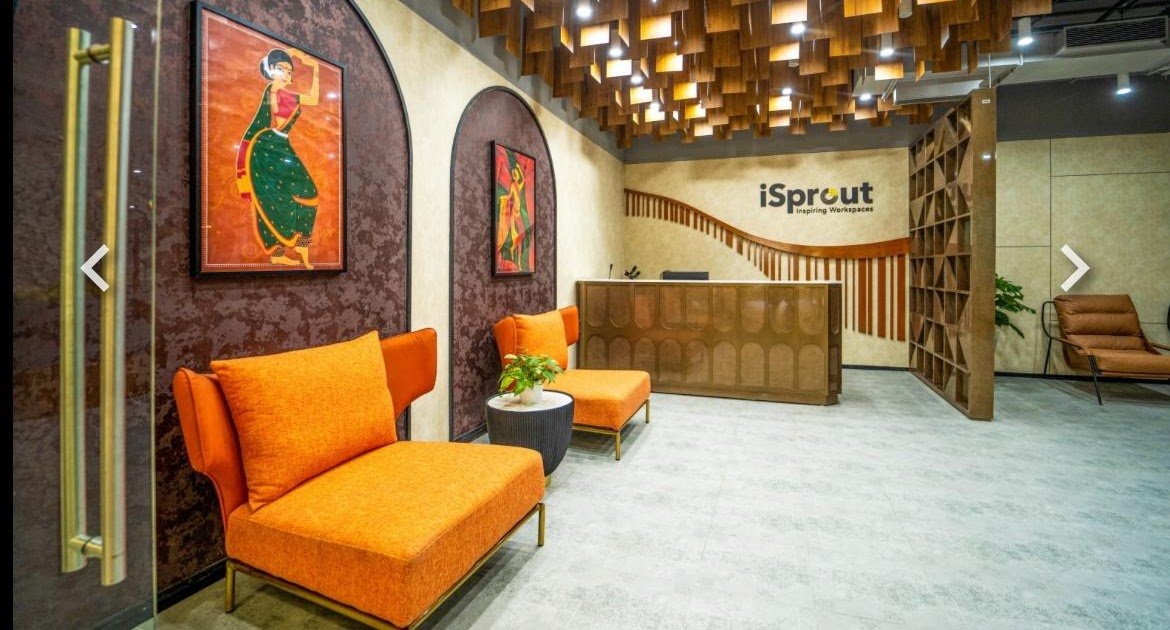
India’s flexible workspace boom is accelerating after iSprout raised 60 crore rupees to expand managed office capacity, and the main keyword appears naturally in the first paragraph. The development adds new momentum to post pandemic office trends as companies of all sizes reassess long term real estate commitments and shift toward flexible, service led workspaces.
This topic is time sensitive and news driven, so the article follows a factual reporting tone. iSprout’s funding reflects a wider trend where managed office providers are becoming critical infrastructure for SMEs and startups seeking predictable costs, shorter lease cycles and plug and play environments. The sector is gaining importance as distributed teams and hybrid models become standard across industries.
Market expansion and secondary keywords like workspace demand
India’s flexible workspace market has grown steadily since 2022 as businesses look for alternatives to traditional office rentals. The shift is driven by cost uncertainty, changing team structures and a growing preference for fully managed spaces that reduce operational overheads.
iSprout plans to use the 60 crore funding round to open new centers in metros and strategic Tier 2 cities. These markets have rising demand from companies expanding cautiously but requiring professional office infrastructure. The expansion of managed office providers is helping formalise a segment once dominated by small independent operators.
Workspace demand is being shaped by founders who prioritise scalability. Companies want the ability to add or reduce desks without long lock in periods. Managed workspaces offer this flexibility while maintaining corporate grade amenities.
Impact on SMEs and secondary keywords like operational efficiency
SMEs are among the biggest beneficiaries of the flexible workspace boom. For many small businesses, long lease agreements and upfront interior costs are major barriers to expansion. Providers like iSprout remove these hurdles by offering ready to use office spaces with predictable monthly billing.
Operational efficiency is a key driver. Facilities management, security, IT support and maintenance are bundled into a single service, allowing SMEs to focus on revenue activities rather than managing property related tasks.
The funding signals stronger investor confidence in operators that cater to SME needs. As more businesses adopt hybrid work models, demand for smaller satellite offices in Tier 2 hubs is growing, creating new opportunities for workspace providers.
Post pandemic trends and secondary keywords like hybrid work models
Post pandemic workplace trends are shaping the long term evolution of office real estate. Hybrid work is now a structural shift rather than a temporary adjustment. Many companies continue to operate distributed teams, combining remote work with periodic collaboration days in shared offices.
This shift increases the attractiveness of flexible workspaces, which provide meeting rooms, collaboration areas and technology enabled environments on demand. Traditional leases often fail to accommodate these new usage patterns.
Startups especially prefer environments where they can expand quickly during growth phases without carrying the financial risk of large fixed offices. The versatility of flexible spaces aligns with the unpredictable nature of early stage business cycles.
Role of Tier 2 cities and secondary keywords like regional expansion
Tier 2 cities are becoming strong growth drivers for flexible workspace operators. Markets like Hyderabad, Pune, Coimbatore, Jaipur and Kochi have seen steady demand from IT services firms, digital agencies, logistics companies and new age startups.
iSprout’s expansion into these cities indicates that demand is no longer restricted to metropolitan hubs. Regional expansion supports decentralised hiring, allowing companies to build teams closer to customer clusters while keeping costs manageable.
For state governments, rising workspace availability helps strengthen local startup ecosystems by providing founders with professional environments without the need to relocate. This supports broader economic development objectives.
Investor outlook and secondary keywords like real estate strategy
Investor interest in managed workspace firms has grown as the commercial real estate market transforms. Flexible office operators are now viewed as essential real estate partners rather than niche players. Their revenue models based on recurring occupancy are attracting institutional capital.
The 60 crore funding for iSprout highlights investor confidence in companies with strong occupancy rates and consistent client retention. Funding enables operators to invest in better technology, energy efficient buildings and improved customer experience.
Real estate strategy is evolving to integrate flexible office components into traditional commercial developments. Developers increasingly partner with workspace operators to ensure higher utilisation and more diverse tenant profiles.
Takeaways
iSprout’s 60 crore rupee funding highlights strong momentum in India’s flexible workspace sector
SMEs and startups benefit the most through lower upfront costs and operational simplicity
Hybrid work trends and Tier 2 city expansion are reshaping office demand
Investors view managed workspace firms as stable long term partners in commercial real estate
FAQs
Why is flexible workspace demand rising in India
Demand is increasing due to hybrid work adoption, cost pressures, shorter planning cycles and the need for ready to use office infrastructure.
How will iSprout use the 60 crore funding
The company plans to expand managed office centers across major metros and growing Tier 2 cities while improving technology and service capabilities.
Do flexible workspaces help SMEs
Yes, SMEs gain predictable costs, reduced operational burdens and scalable office options that support business growth without long commitments.
Will Tier 2 cities drive future workspace growth
Yes, Tier 2 markets are emerging as high potential locations due to rising startup activity and decentralised team building.










Leave a comment