

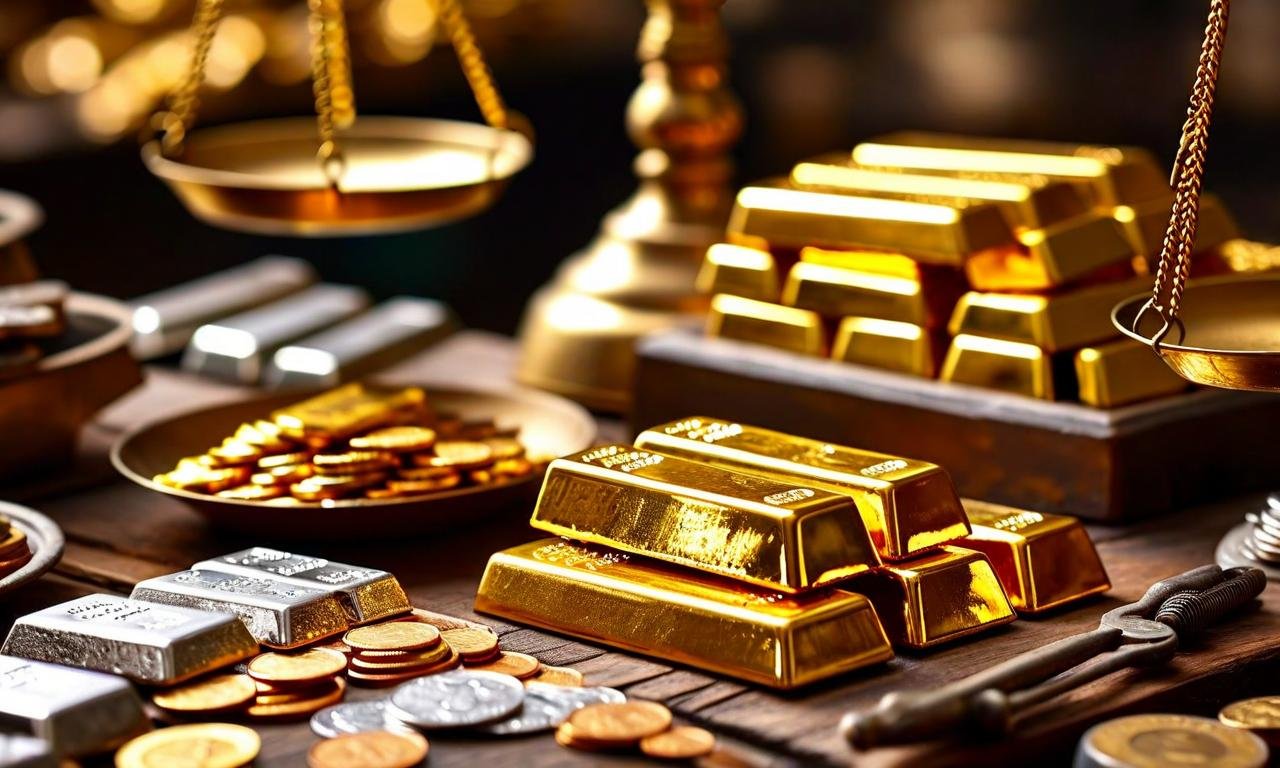
India’s commodity prices today are in focus as gold and silver show renewed movement driven by global cues and domestic demand patterns. Price changes are influencing jewellery buying, small investor sentiment, and bullion trade activity across Tier 2 and Tier 3 markets.
India’s commodity prices today reflect a time-sensitive environment shaped by global interest rate expectations, currency movement, and seasonal demand. Gold prices have remained firm while silver has seen sharper swings, creating different implications for households, traders, and small investors who rely on precious metals as savings and working capital assets.
What Is Driving Gold Prices in India Today
Gold prices in India are responding to a mix of global uncertainty and local demand signals. Internationally, expectations around interest rate direction in major economies have kept gold attractive as a hedge. Domestically, the rupee’s movement against the dollar has added pressure to landed gold prices, even when global rates remain stable.
Jewellery demand has been steady rather than aggressive. In Tier 2 and Tier 3 cities, buyers are cautious, preferring lighter jewellery and coin purchases instead of high-value ornaments. This has kept volumes moderate but consistent. Retailers report that customers are tracking daily price changes more closely, waiting for brief dips before making purchases.
Gold’s role as a store of value remains intact. Households continue to view it as a long-term asset rather than a trading instrument, which helps support prices even during short-term corrections.
Silver Price Trends and Why Volatility Is Higher
Silver prices have shown more volatility compared to gold. This is largely due to silver’s dual role as both a precious metal and an industrial input. Global demand from electronics, renewable energy, and manufacturing continues to influence prices alongside investment flows.
In India, silver demand comes from jewellery, utensils, and small industrial users. Price swings tend to impact these segments quickly. When silver prices rise sharply, demand from small manufacturers and artisans slows. When prices correct, buying interest returns just as fast.
For retail investors, silver is often seen as a lower-cost alternative to gold. This makes it more sensitive to short-term sentiment. Traders in smaller cities report increased interest in silver bars and coins during volatile phases, driven by expectations of quick price movement.
Local Impact on Jewellery, Trade, and Households
India’s commodity prices today have a direct local impact beyond charts and benchmarks. Jewellery retailers adjust making charges and inventory planning based on price trends. Higher gold prices reduce impulse buying, while stable prices encourage wedding-related purchases.
Households in smaller towns often use gold and silver as informal savings. Price increases strengthen household balance sheets on paper but also raise replacement costs. This affects decisions such as selling old jewellery, pledging gold for loans, or postponing new purchases.
Bullion traders and pawnbrokers see higher activity when prices rise steadily. Gold loans become more attractive as collateral values improve, supporting short-term liquidity for small businesses and farmers.
How Small Investors Are Reacting to Price Movements
Small investors are increasingly cautious. Instead of lump-sum buying, many prefer staggered purchases to manage price risk. Digital gold and silver products have also gained attention, though physical ownership remains dominant in non-metro regions.
For investors tracking India’s commodity prices today, gold is still viewed as a defensive allocation rather than a return-maximising asset. Silver attracts more tactical interest due to its price swings, but it also carries higher risk.
Advisors often suggest that precious metals should form a limited portion of a diversified portfolio. Overexposure during price spikes can backfire if global conditions shift suddenly.
Role of Currency and Global Signals
The rupee’s movement plays a critical role in domestic gold and silver pricing. Even if international prices remain flat, a weaker rupee raises local prices. This is particularly relevant for India, which imports most of its gold and silver requirements.
Global economic data, central bank signals, and geopolitical developments also influence sentiment. When uncertainty rises, gold benefits more than silver. When industrial outlook improves, silver tends to outperform gold.
This divergence explains why tracking both metals together is important for understanding broader commodity trends.
What to Watch in the Coming Days
Looking ahead, investors and buyers should watch currency trends, global interest rate commentary, and physical demand indicators. Festival and wedding season demand can provide near-term support, but sustained rallies depend on global cues.
Price corrections are possible if risk appetite improves globally. However, downside may be limited due to consistent domestic demand and limited alternatives for traditional savers.
India’s commodity prices today underline the importance of context. Short-term moves matter for traders, but long-term relevance remains stronger for households and businesses using precious metals as financial anchors.
Takeaways
- Gold prices remain firm due to global uncertainty and currency impact
- Silver shows higher volatility driven by industrial demand and sentiment
- Tier 2 and Tier 3 markets prefer cautious, staggered buying
- Currency movement plays a major role in domestic pricing
FAQs
Why are gold prices high in India even when global prices are stable?
A weaker rupee increases the landed cost of gold, pushing up domestic prices.
Is silver riskier than gold for small investors?
Yes, silver is more volatile due to its industrial use and reacts faster to sentiment changes.
Do higher prices reduce jewellery demand?
They reduce impulse buying but do not eliminate essential or occasion-based demand.
Should investors buy gold and silver during price highs?
Staggered purchases and limited allocation help manage risk during elevated price levels.












Leave a comment