

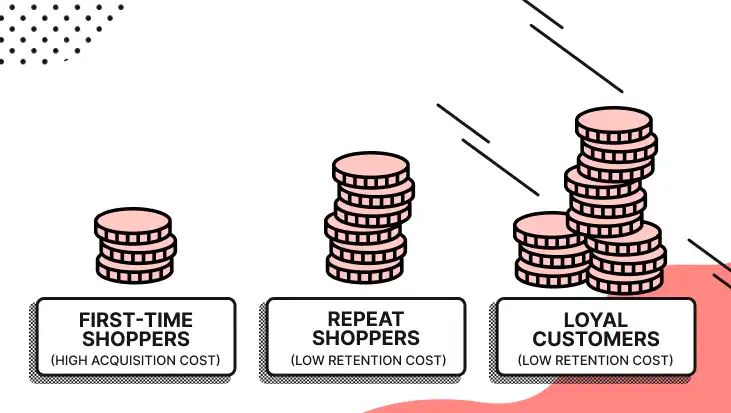
Repeat consumption and cost discipline are attracting investors to beauty startups as capital becomes more selective and growth narratives evolve. Beauty brands with predictable demand, strong margins and operational control are now favoured over cash intensive expansion plays in India’s consumer startup ecosystem.
Beauty startup investing has shifted priorities
Repeat consumption and cost discipline are attracting investors to beauty startups because the category offers what many consumer sectors lack, consistent demand and controllable economics. This topic is evergreen but grounded in recent investment behaviour, making it analytical rather than breaking news.
Earlier funding cycles rewarded scale at speed. Today, investors are prioritising durability. Beauty products such as skincare, haircare and personal grooming are used regularly, creating natural repurchase cycles. This makes revenue more predictable compared to discretionary categories.
Secondary keywords like beauty startup funding trends and consumer brand profitability reflect this shift. Investors now view beauty as a category where brand loyalty and frequency of use can translate into long term value if costs are tightly managed.
The power of repeat consumption in beauty brands
Repeat consumption is central to why beauty startups are attractive. Products like face washes, serums and shampoos are replenished monthly or quarterly, creating steady cash flows.
Unlike fashion or electronics, beauty does not rely heavily on seasonal spikes. A customer acquired once can generate revenue multiple times a year if product quality and pricing meet expectations.
Secondary keywords such as repeat purchase beauty brands and customer lifetime value in beauty highlight how investors model returns. High repeat rates reduce dependence on constant marketing spends, which directly improves margins.
This dynamic also allows startups to forecast inventory needs better, lowering the risk of overstocking or discount driven sell offs.
Cost discipline separates winners from noise
Cost discipline has become a defining filter for beauty startup investment. Brands that control manufacturing, packaging and logistics costs are more resilient during demand fluctuations.
Investor scrutiny has intensified around gross margins, contribution margins and marketing efficiency. Heavy discounting and influencer driven customer acquisition without retention are viewed as red flags.
Secondary keywords like cost discipline in startups and beauty brand unit economics explain investor expectations. Startups with in house formulation, direct sourcing or long term supplier contracts demonstrate better margin stability.
Operational efficiency is no longer optional. Investors expect founders to show a clear path to profitability, not just revenue growth.
Marketing efficiency and brand trust matter more now
Beauty is a trust led category. Consumers stick with products that work, reducing churn once trust is built. This allows brands to gradually reduce customer acquisition costs over time.
Earlier, many startups relied heavily on paid ads and celebrity endorsements. While these tactics still matter, investors now evaluate organic growth signals such as repeat orders, subscription adoption and word of mouth traction.
Secondary keywords like beauty brand marketing efficiency and trust driven consumption underline this shift. Brands that invest in product performance and customer experience often see stronger long term economics.
Lower marketing dependency aligns directly with cost discipline, improving investor confidence.
Omnichannel strategies strengthen investor confidence
Beauty startups that balance online and offline channels are particularly attractive to investors. Physical touchpoints such as experience stores and retail partnerships build credibility and increase conversion rates.
Offline presence also reduces return rates and improves customer education, especially in Tier 2 and Tier 3 cities where touch and feel matter.
Secondary keywords like omnichannel beauty brands and offline expansion in beauty startups capture this trend. Investors see omnichannel strategies as a way to stabilise growth without excessive digital ad spend.
This approach supports repeat consumption by reinforcing brand familiarity across multiple touchpoints.
Inventory management and working capital discipline
Inventory control is critical in beauty. Products have shelf lives, and poor demand forecasting can lead to write offs.
Startups that demonstrate tight inventory turns and efficient working capital usage gain investor trust. Data driven replenishment and limited SKU expansion are viewed positively.
Secondary keywords such as beauty inventory management and working capital efficiency highlight how operational discipline influences funding decisions. Investors prefer focused product portfolios over bloated catalogues that dilute margins.
Controlled inventory also supports faster cash cycles, which is essential during funding slowdowns.
Why beauty stands out among consumer categories
Compared to food, fashion or electronics, beauty offers a unique mix of high gross margins and repeat usage. This combination reduces downside risk for investors.
Beauty products are also less sensitive to economic cycles. Even during slowdowns, consumers continue basic personal care routines, providing revenue stability.
Secondary keywords like defensive consumer categories and resilient consumer demand explain why beauty remains attractive. For investors seeking steady returns rather than explosive growth, beauty fits well.
This resilience makes beauty startups suitable for longer term capital rather than short term speculative bets.
What founders must get right to attract capital
Founders seeking investment must demonstrate that repeat consumption is real, not assumed. Data on retention, reorder frequency and cohort behaviour is critical.
Cost discipline must be embedded early. Lean teams, efficient sourcing and realistic marketing budgets signal maturity.
Beauty startups that combine strong products with financial discipline are better positioned to attract patient capital even during cautious funding environments.
Takeaways
- Repeat consumption creates predictable revenue in beauty startups
- Cost discipline and margin control are now core investor filters
- Marketing efficiency and trust drive long term value
- Beauty stands out as a resilient and defensible consumer category
FAQs
Why do investors prefer repeat consumption beauty brands?
Repeat usage improves revenue predictability and customer lifetime value.
Is growth still important for beauty startups?
Yes, but investors now prioritise sustainable growth over aggressive expansion.
How does cost discipline impact funding decisions?
Efficient cost structures reduce risk and improve profitability timelines.
Are beauty startups less risky than other consumer brands?
They are relatively more resilient due to steady demand and higher margins.












Leave a comment