

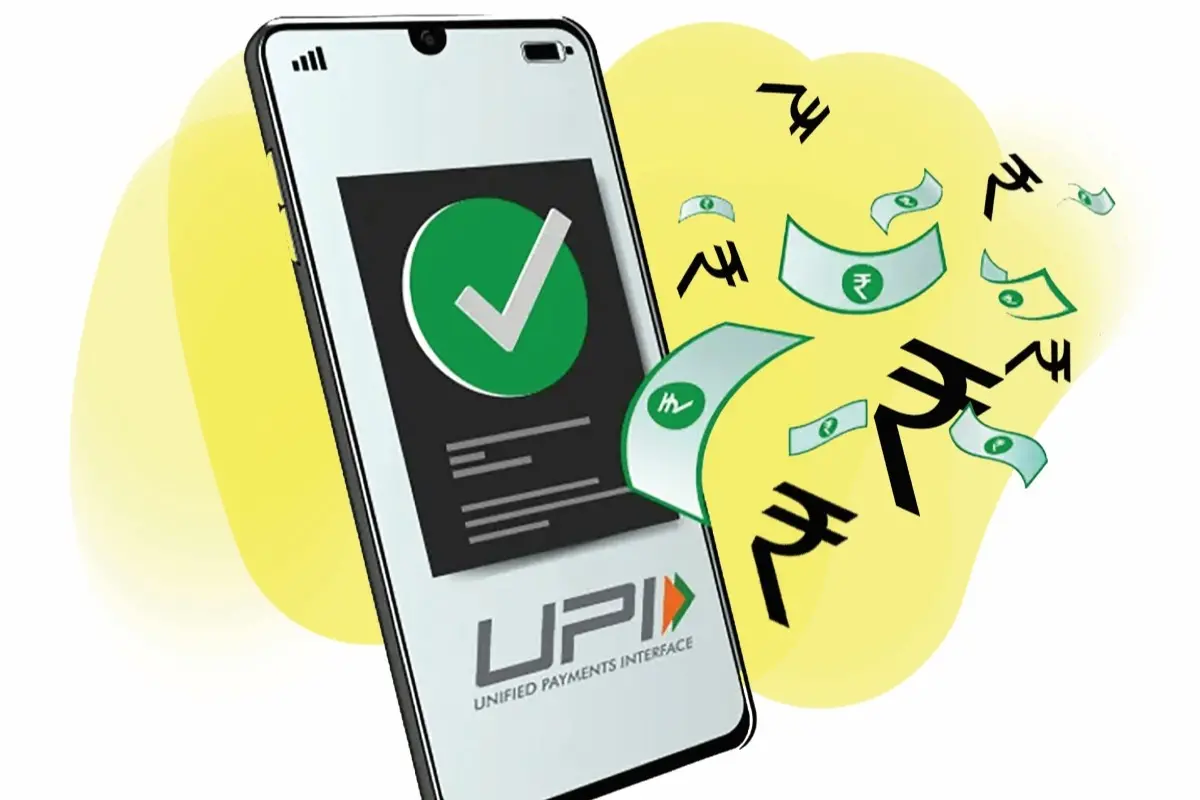
India’s UPI credit expansion is accelerating, with Tier-2 and Tier-3 users emerging as key drivers of fintech adoption. As digital infrastructure deepens and credit access widens, smaller cities are shaping the next phase of India’s financial ecosystem.
The rapid growth of UPI credit expansion is reshaping how Indians access and use credit. Built on the backbone of National Payments Corporation of India and regulated by the Reserve Bank of India, UPI is no longer just a payments rail. It is evolving into a credit delivery channel, particularly in non-metro markets where traditional credit penetration has historically lagged.
UPI Credit Expansion Moves Beyond Metro Users
UPI began as a real-time payments system but is now enabling credit products through features like pre-approved credit lines linked to UPI IDs. This shift allows users to access short-term credit instantly at the point of transaction.
Secondary keyword: UPI credit line adoption India
Tier-2 and Tier-3 cities are seeing faster adoption because users in these regions often face barriers in accessing formal credit. Limited credit history, fewer bank branches, and slower loan processing have historically restricted borrowing.
With UPI-based credit, lenders can underwrite users using alternative data such as transaction history, bill payments, and account behavior. This reduces dependence on traditional credit scores and opens access to first-time borrowers.
Banks and fintechs are already piloting credit-on-UPI products where users can scan and pay using borrowed funds, similar to credit cards but without physical issuance.
Why Tier-2 and Tier-3 Users Are Driving Growth
Secondary keyword: fintech growth in small cities India
The next wave of fintech growth is clearly shifting toward Bharat. Several structural factors explain why smaller cities are leading UPI credit expansion.
First, smartphone penetration and affordable data have reached critical mass in these regions. Second, government-led digital initiatives have normalized UPI usage for everyday payments, from kirana stores to utility bills.
Third, consumption patterns in Tier-2 markets are evolving. Aspirational spending is rising, but income flows remain uneven. This creates demand for small-ticket, short-duration credit products that UPI can efficiently deliver.
Unlike metro users who already have access to credit cards and personal loans, Tier-2 users see UPI credit as their first formal borrowing experience. This makes adoption faster and stickier.
Fintech and Banks Compete for UPI Credit Market
Secondary keyword: digital lending competition India
Both traditional banks and fintech startups are actively competing to capture this emerging segment. Banks bring balance sheet strength and regulatory trust, while fintechs offer speed, user experience, and data-driven underwriting.
Several regulated entities are offering pre-sanctioned credit lines that can be linked to UPI apps. Users can toggle between bank balance and credit line at checkout.
Fintech lenders are also integrating with UPI to offer buy-now-pay-later style products. However, regulators have tightened norms around digital lending, ensuring transparency in fees, consent, and data usage.
The Reserve Bank of India has emphasized that credit through UPI must follow the same prudential norms as other lending products. This includes proper KYC, risk assessment, and grievance redressal mechanisms.
Risks and Regulatory Oversight in UPI Credit
Secondary keyword: RBI digital lending rules UPI
While UPI credit expansion presents a large opportunity, it also introduces risks. Easy access to credit can lead to over-borrowing, especially among first-time users unfamiliar with repayment cycles.
Regulators are cautious about systemic risks. The RBI has already issued digital lending guidelines to curb predatory practices and ensure borrower protection.
There is also the question of credit quality. Since many Tier-2 users are new-to-credit, lenders must carefully balance growth with risk management. Default rates in unsecured small-ticket lending can rise if underwriting is not robust.
Another concern is data privacy. As fintechs rely on transaction data for credit decisions, ensuring secure and consent-based usage is critical.
What This Means for India’s Financial Inclusion Story
Secondary keyword: financial inclusion through UPI credit
UPI credit expansion has the potential to significantly deepen financial inclusion. By turning a payments interface into a credit access point, India is effectively reducing the friction between need and availability of funds.
For small businesses in Tier-2 cities, this could mean easier working capital. For individuals, it enables smoother cash flow management without relying on informal borrowing.
The success of this model depends on responsible scaling. If executed well, UPI credit could become one of the most impactful fintech innovations since the original launch of UPI itself.
Takeaways
- UPI is evolving from a payments tool into a credit delivery platform across India
- Tier-2 and Tier-3 users are leading adoption due to limited traditional credit access
- Banks and fintechs are competing to capture this fast-growing credit segment
- Regulatory oversight remains critical to manage risks and protect new borrowers
FAQs
What is UPI credit and how does it work?
UPI credit allows users to access pre-approved credit lines directly through UPI apps and use them for payments instead of their bank balance.
Why are Tier-2 users adopting UPI credit faster?
They often lack access to traditional credit products, making UPI-based credit their first formal borrowing option.
Is UPI credit regulated in India?
Yes, the Reserve Bank of India regulates digital lending, including credit offered through UPI platforms.
Can UPI credit replace credit cards?
It can complement or partially replace credit cards for small-ticket transactions, especially among users who do not have access to cards.











Leave a comment