

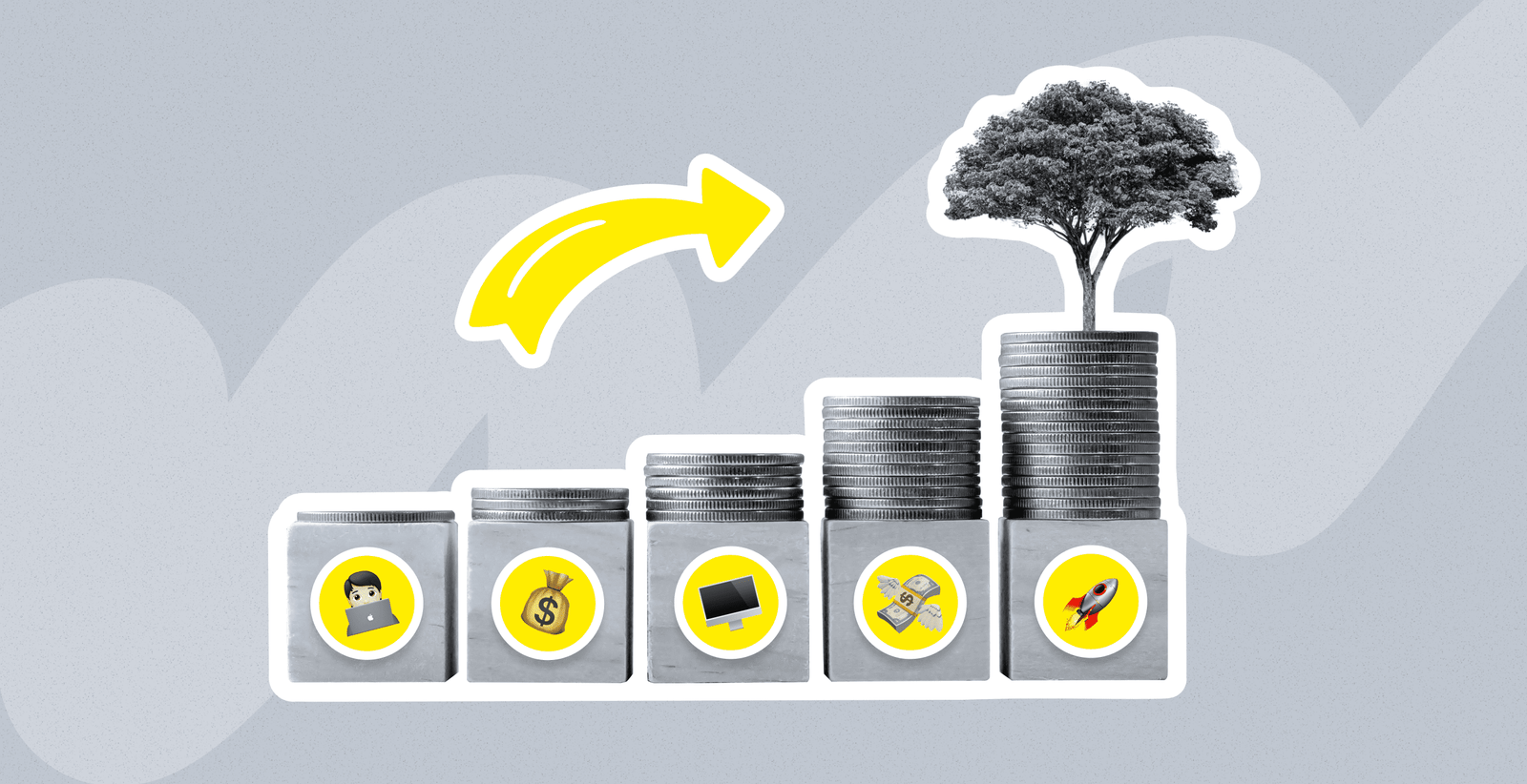
Startup fundraising is turning into a long haul for founders as capital becomes more selective, diligence timelines stretch, and investor expectations rise. What was once a fast-paced process now requires endurance, preparation, and operational clarity across multiple funding cycles.
Why fundraising timelines have fundamentally changed
The intent of this topic is evergreen informational analysis with current relevance. Startup fundraising is turning into a long haul because the market has moved from abundance to scrutiny. Investors are no longer racing to deploy capital. They are taking time to evaluate fundamentals, governance, and execution capability.
In earlier cycles, founders could close rounds in weeks based on vision and growth narratives. Today, the same process can take several months. Investors are running deeper checks on unit economics, customer concentration, and cash discipline. This change is not temporary. It reflects a structural reset in how risk is priced.
Market volatility and global capital tightening have also played a role. Many funds are reserving capital for existing portfolio companies, reducing the pool available for new investments. This forces founders to engage more investors and manage longer conversations.
Process changes investors have introduced
One major shift is the multi-stage diligence process. Initial interest is now followed by detailed financial reviews, reference checks, and scenario planning. Investors want clarity on downside risks as much as upside potential.
Another change is staged decision-making. Even after a term sheet discussion, final approval may depend on internal investment committee reviews that happen monthly or quarterly. This extends timelines and increases uncertainty for founders.
Investors are also asking for clearer visibility into customer metrics. Revenue quality, churn, and contract durability are scrutinised more than topline growth. For B2B startups, this means providing detailed cohort data and customer references. For consumer startups, retention and unit economics matter more than user growth.
How valuation expectations are affecting fundraising
Valuation has become a friction point in fundraising. Many founders are anchored to peak-cycle benchmarks that no longer apply. Investors, on the other hand, are pricing in execution risk and longer paths to liquidity.
This gap leads to prolonged negotiations. Some rounds stall because founders are unwilling to accept down rounds or flat valuations. Others drag on as investors seek structured terms to protect downside.
The result is longer fundraising cycles and increased founder fatigue. Accepting market reality early can shorten timelines, but it requires emotional adjustment. Founders who align valuation expectations with fundamentals tend to close faster.
Founder tactics that improve fundraising outcomes
In a long haul environment, preparation becomes a competitive advantage. Founders who start fundraising with at least 12 to 18 months of runway have more leverage. Desperation weakens negotiating positions and slows momentum.
Clear storytelling also matters. Investors want a concise explanation of what has changed since the last round. This includes product progress, revenue growth, and operational discipline. Vague narratives no longer work.
Another effective tactic is parallel execution. Founders should continue building the business while fundraising rather than pausing operations. Strong monthly performance during fundraising builds confidence and reduces objections.
Building warm investor relationships before fundraising is also critical. Cold outreach has lower conversion rates in cautious markets. Founders who invest in long-term relationship building shorten the eventual fundraise.
Impact on early-stage versus late-stage startups
Early-stage founders face different challenges than late-stage ones. Seed and pre-Series A rounds are still happening, but investors are more selective. Teams, market clarity, and early traction matter more than idea quality alone.
Late-stage fundraising is even more demanding. Investors expect clear paths to profitability or liquidity. Growth without margin improvement is viewed sceptically. This has extended timelines for Series C and beyond.
For both stages, bridge rounds and internal extensions have become common. While these provide short-term relief, they also signal caution to the market. Founders must manage messaging carefully to avoid negative perception.
Operational consequences of prolonged fundraising
Long fundraising cycles affect company operations. Leadership attention shifts away from product and customers. Hiring plans may be paused, affecting morale. Uncertainty can also impact vendor and partner relationships.
Founders need to manage internal communication carefully. Teams should understand the strategy without being distracted by fundraising stress. Transparency builds trust, but oversharing can create anxiety.
Cash management becomes critical. Burn rates must be adjusted to match fundraising realities. Startups that fail to recalibrate risk running out of options before closing a round.
What this means for the future of startup funding
The long haul fundraising environment is likely to persist. It encourages healthier businesses but demands resilience from founders. Those who adapt will build stronger companies with better fundamentals.
This shift may also reduce the number of startups that survive to later stages. Capital will concentrate around teams that can execute consistently over time. While this raises the bar, it also improves overall ecosystem quality.
For founders, fundraising is no longer a sprint. It is a strategic process that requires planning, patience, and operational excellence.
Takeaways
Startup fundraising timelines have extended due to deeper investor scrutiny
Valuation alignment is critical to avoid prolonged negotiations
Preparation and runway length significantly improve fundraising outcomes
Founders must balance fundraising with continued business execution
FAQs
Why does fundraising take longer now?
Investors are conducting deeper diligence and prioritising risk management over speed.
How long should founders plan for a fundraise?
Founders should plan for several months and start with sufficient runway.
Are down rounds unavoidable?
Not always, but valuation expectations must align with current market realities.
What is the biggest mistake founders make today?
Pausing execution while fundraising, which weakens investor confidence.










Leave a comment