


Space, solar and healthtech funding in early 2026 is setting the tone for India’s startup investment landscape. Venture capital activity in the first weeks of the year shows strong interest in space technology, renewable energy platforms and digital health solutions, reflecting long term structural themes rather than short term hype.
This funding pattern signals a clear shift. Investors are allocating capital to sectors aligned with national priorities such as energy transition, healthcare access and technological self reliance. Early 2026 rounds indicate disciplined but focused deployment across innovation driven segments.
Space Tech Funding Gains Strategic Importance
India’s private space ecosystem has expanded rapidly after regulatory reforms opened the sector to non government players. Early 2026 funding rounds show investor confidence in satellite manufacturing, launch services support, geospatial analytics and space data platforms.
Startups working on small satellite components, propulsion systems and ground station infrastructure are attracting seed and Series A investments. The commercial use of satellite data for agriculture monitoring, logistics optimization and climate analysis adds revenue potential beyond pure aerospace contracts.
Global demand for cost efficient launch and satellite services also supports the space tech funding narrative. India’s established track record in cost effective space missions strengthens investor perception of technical capability. Funding momentum in this segment is tied to export potential and defence applications.
Solar and Clean Energy Startups Attract Capital
Solar startup funding remains one of the most visible trends in early 2026. Renewable energy capacity expansion, government incentives and corporate sustainability commitments are driving demand for clean energy solutions.
Investments are flowing into distributed solar platforms, energy storage solutions and rooftop installation aggregators. Startups focusing on solar financing models are also gaining traction, especially those targeting small businesses and residential customers in Tier 2 and Tier 3 cities.
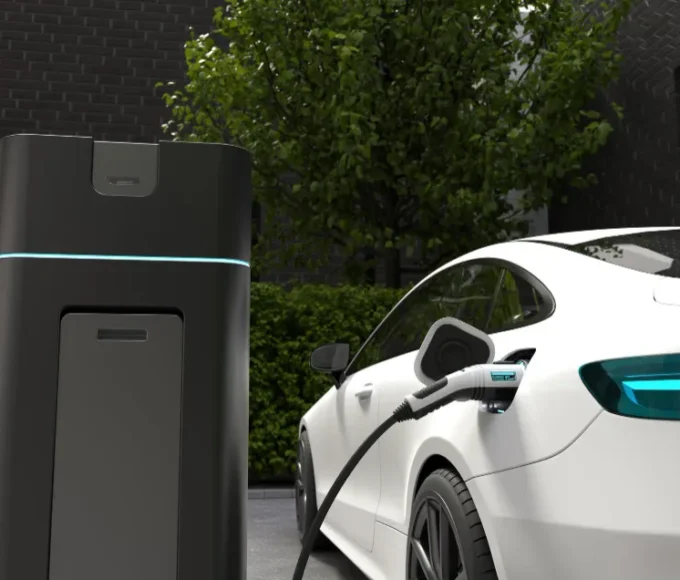
Energy storage innovation is another critical area. As solar capacity increases, grid stability and storage become essential. Companies developing battery technology, smart inverters and energy management software are securing venture backing.
Investors view solar and clean energy startups as long horizon plays with policy tailwinds. Revenue models tied to power purchase agreements and subscription based services offer predictable cash flows.
Healthtech Funding and Digital Healthcare Expansion
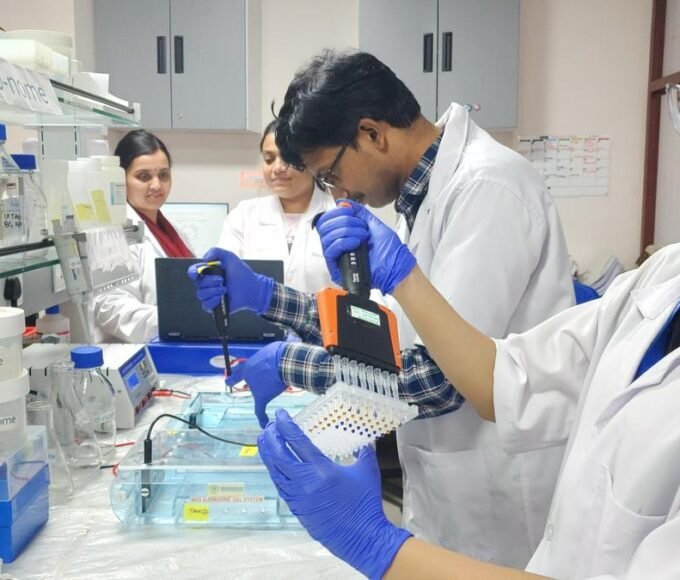
Healthtech funding in early 2026 reflects sustained interest in digital healthcare infrastructure. Startups offering telemedicine platforms, diagnostic tools, hospital management software and preventive health services are raising capital to scale operations.
Post pandemic behavioral shifts have normalized digital consultations and remote diagnostics. Investors are backing companies that integrate AI driven diagnostics, electronic health records and pharmacy logistics into unified platforms.
Tier 2 and Tier 3 markets present significant opportunity. Access to quality healthcare remains uneven, and digital platforms can bridge gaps. Startups focusing on regional language interfaces and low cost diagnostics are particularly relevant for these markets.
Healthtech ventures with strong compliance frameworks and partnerships with hospitals are more likely to attract institutional funding. Investors are cautious about regulatory adherence and data privacy standards.
Early 2026 Funding Trends and Investor Strategy
The prominence of space, solar and healthtech funding in early 2026 reflects a broader strategic shift among venture capital firms. Capital allocation is favoring sectors linked to national infrastructure, sustainability and essential services.
Investors are conducting deeper due diligence compared to previous funding cycles. Revenue visibility, technological differentiation and scalable business models are critical evaluation parameters. Large speculative rounds are less common, replaced by milestone based funding structures.
International investors remain active, particularly in climate tech and space technology. Cross border interest is driven by India’s engineering talent base and growing domestic demand.
Regional Ecosystems and Emerging Hubs
Funding is no longer restricted to metro based startups. Clean energy and healthtech companies operating from cities such as Ahmedabad, Pune, Hyderabad and Coimbatore are attracting investor interest.
Regional manufacturing clusters support solar hardware startups, while healthcare focused startups often emerge near medical research hubs. This decentralization strengthens India’s broader innovation ecosystem.
Incubators and state level innovation policies are contributing to early stage capital formation. Access to testing facilities, regulatory guidance and pilot projects increases investor confidence.
Risks and Long Term Outlook
Despite funding momentum, risks remain. Space tech projects require significant capital and long development cycles. Solar startups face pricing pressure and regulatory changes in power tariffs. Healthtech companies must navigate strict compliance requirements and patient data protection laws.
However, the long term demand drivers remain intact. Energy transition targets, digital healthcare adoption and strategic space capabilities provide structural support for these sectors.
If early 2026 trends continue, space, solar and healthtech could define India’s next phase of technology led growth. Investors appear aligned with this outlook, prioritizing sustainable innovation over rapid but uncertain expansion.
Takeaways
Space, solar and healthtech are leading early 2026 funding rounds in India
Investors are prioritizing sustainability, healthcare access and strategic technology
Regional startup hubs are gaining visibility in clean energy and digital health
Capital deployment is disciplined with focus on revenue and compliance
FAQs
Why is space technology attracting funding in India?
Regulatory reforms, cost efficient engineering capability and commercial applications of satellite data are driving investor interest.
What makes solar startups attractive to investors?
Policy support, rising renewable energy demand and predictable revenue models enhance long term growth prospects.
Is healthtech funding limited to metro cities?
No. Many startups serving Tier 2 and Tier 3 markets are attracting capital due to unmet healthcare demand.
Are funding rounds returning to peak levels?
Investments are selective and disciplined, focusing on sustainable growth rather than aggressive valuation expansion.









Leave a comment