

Govt’s Agri Conclave spotlights agripreneurship and startup pathways for rural India, highlighting policy support, skill development and funding access for young founders in agriculture. The event underlined how innovation, value addition and rural enterprises are central to India’s next phase of agricultural growth.
Govt’s Agri Conclave spotlights agripreneurship at a time when rural India is undergoing structural transformation. Policymakers, industry leaders and startup founders gathered to discuss how technology, credit access and market linkages can convert traditional farming into scalable enterprises. The focus was not limited to crop production but extended to food processing, agri logistics, farm mechanization and allied sectors.
The conclave reflected a broader shift in agricultural policy. The emphasis is moving from input subsidies alone toward enterprise creation, rural employment and value chain integration.
Agripreneurship as a Growth Engine for Rural India
Agripreneurship refers to building businesses around agriculture and allied activities rather than relying solely on conventional farming. The Agri Conclave highlighted how young entrepreneurs are entering segments such as precision farming, organic produce branding, cold storage solutions and digital farm advisory.
India’s agriculture sector contributes significantly to employment but often suffers from fragmented land holdings and low productivity. By encouraging startups in areas like farm technology and post-harvest management, policymakers aim to improve farmer incomes and reduce wastage.
Speakers emphasized that rural youth no longer view agriculture only as subsistence activity. With proper training and financial backing, farming-related ventures can become profitable and scalable. This shift is particularly relevant for tier two and tier three districts where non-farm employment options are limited.
Startup Pathways and Policy Support Mechanisms
Startup pathways in agriculture were a major theme at the conclave. Government-backed incubation centers, agri innovation hubs and digital platforms are being positioned as support systems for first-generation entrepreneurs.
Programs promoting Farmer Producer Organizations, food processing clusters and agri export facilitation are helping small producers aggregate output and negotiate better prices. Access to institutional credit through priority sector lending norms and specialized agri loans was also discussed as a critical enabler.
The event highlighted how digital platforms are bridging information gaps. Mobile-based advisory services, crop monitoring tools and direct-to-consumer marketplaces are reducing dependence on intermediaries. Such tools allow rural entrepreneurs to access broader markets and improve margins.
Skill Development and Agri Value Chain Integration
Skill development was another key area of focus. Training programs in food processing, dairy management, fisheries and agro-based manufacturing are being expanded to equip rural youth with business skills. The objective is to move up the value chain from raw produce to branded, processed products.
For example, instead of selling raw vegetables, entrepreneurs are being encouraged to explore packaging, grading and food processing. In the dairy segment, value-added products such as paneer, flavored milk and packaged curd offer higher margins than raw milk sales.
Integration across the agri value chain is crucial. Cold storage infrastructure, warehousing and logistics connectivity reduce post-harvest losses and stabilize prices. The conclave underscored how public and private partnerships can accelerate infrastructure creation in rural areas.
Technology and Innovation in Agriculture Startups
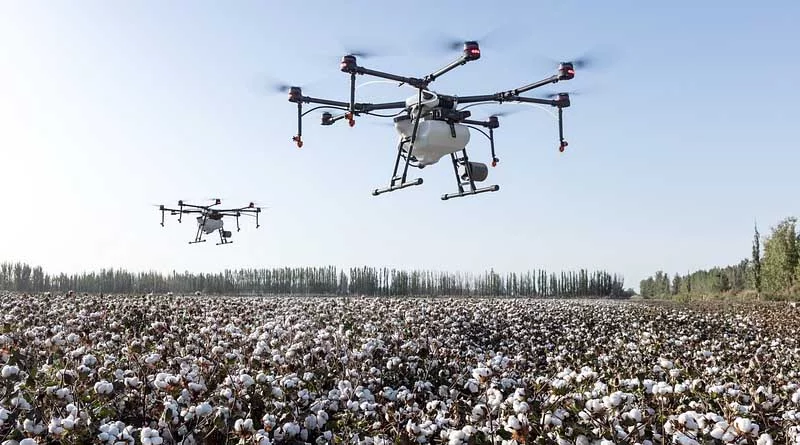
Technology-driven agriculture startups are increasingly shaping rural enterprise models. Precision farming tools, soil health analytics, drone-based crop monitoring and farm automation solutions are gradually entering mainstream adoption.
The conclave showcased case studies where data analytics improved yield forecasting and input optimization. Such solutions reduce costs for farmers while enhancing productivity. Agritech startups are also collaborating with financial institutions to provide crop-based lending models that use digital data for risk assessment.
Digital payments and e-commerce integration further support rural entrepreneurs. Direct selling through online platforms reduces reliance on local mandis and improves price realization. However, digital literacy and connectivity gaps remain challenges that require continued investment.
Challenges and Road Ahead
Despite policy support, agripreneurship faces structural hurdles. Access to affordable credit, land fragmentation and price volatility continue to impact rural businesses. Market linkages need strengthening to ensure consistent demand for value-added products.
Climate variability also poses risks to agriculture-based enterprises. Crop diversification and adoption of climate-resilient practices are necessary to safeguard income stability. Insurance penetration in rural areas remains uneven and requires further expansion.
However, the direction is clear. The Agri Conclave emphasized that rural India must transition from production-focused agriculture to enterprise-driven agribusiness. This approach aligns with broader national goals of doubling farmer incomes and strengthening food security.
The spotlight on agripreneurship indicates a strategic pivot toward rural startups as engines of employment and economic resilience.
Takeaways
Agripreneurship is emerging as a key driver of rural economic growth
Government support includes incubation, credit access and digital platforms
Value addition and supply chain integration improve farmer incomes
Technology adoption is reshaping agriculture startups in India
FAQs
Q1. What is agripreneurship?
Agripreneurship involves building businesses around agriculture and allied sectors such as food processing, dairy, fisheries and farm technology.
Q2. How does the Agri Conclave support rural startups?
It highlights policy initiatives, funding mechanisms, incubation support and skill development programs designed to help rural entrepreneurs scale operations.
Q3. Why is value addition important in agriculture?
Processing and branding agricultural products increase margins, reduce wastage and improve income stability for farmers and entrepreneurs.
Q4. What challenges do agripreneurs face?
Key challenges include credit access, market linkages, climate risks and price volatility in agricultural commodities.












Leave a comment