

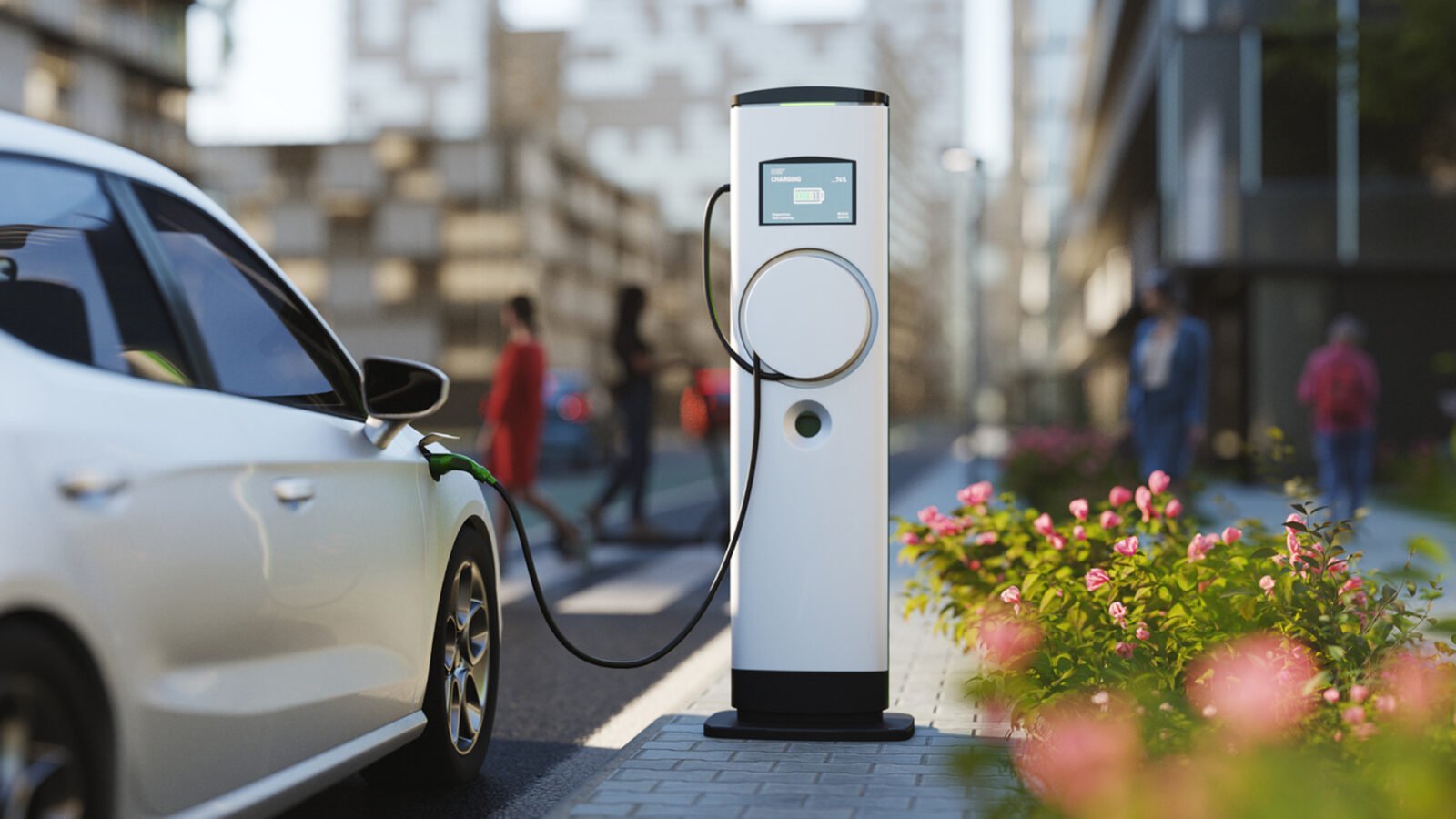
EV ecosystem startups in India are attracting fresh capital in 2026, with charging infrastructure emerging as the primary investment focus. As electric vehicle adoption rises, investors are prioritizing startups building scalable, revenue-generating infrastructure over purely vehicle-focused models.
EV ecosystem startups funding accelerates with infrastructure focus
EV ecosystem startups attracting fresh capital reflects a clear shift in investor strategy. Instead of backing only vehicle manufacturers, capital is now flowing into the broader ecosystem that supports EV adoption.
Secondary keyword: EV startup funding India 2026
Charging infrastructure, battery management, and energy solutions are becoming central to this ecosystem. Investors are recognizing that without reliable charging networks, EV adoption cannot scale effectively.
This shift is also aligned with India’s policy direction, which emphasizes building supporting infrastructure alongside vehicle electrification.
Charging infrastructure leads investment activity
Charging infrastructure startups are currently leading the EV funding race. Companies building public charging stations, fast-charging networks, and battery swapping solutions are attracting significant attention.
Secondary keyword: EV charging infrastructure India
The demand for charging solutions is rising as EV penetration increases in two-wheelers, three-wheelers, and passenger vehicles. Urban as well as Tier-2 markets are seeing expansion in charging networks.
Revenue models in this segment are becoming clearer. Operators generate income through charging fees, subscription plans, and partnerships with fleet operators. This makes the segment more attractive compared to capital-intensive vehicle manufacturing.
Investors prefer infrastructure plays because they offer long-term, predictable returns once networks reach scale.
Policy support strengthens investor confidence
Government policies are playing a crucial role in boosting investor confidence in EV ecosystem startups. Initiatives such as FAME incentives, state EV policies, and subsidies for charging infrastructure are creating a favorable environment.
Secondary keyword: EV policy India infrastructure
Many state governments are offering incentives for setting up charging stations, including reduced electricity tariffs and capital subsidies. This lowers the entry barrier for startups and improves project viability.
Additionally, regulatory clarity around standards and interoperability is improving, making it easier for companies to scale across regions.
Policy backing reduces uncertainty, which is a key factor for long-term infrastructure investments.
Fleet electrification drives demand for charging networks
The growth of electric fleets is accelerating the need for reliable charging infrastructure. Delivery companies, ride-hailing platforms, and logistics operators are increasingly adopting EVs to reduce costs and meet sustainability goals.
Secondary keyword: EV fleet adoption India
Fleet operators require high uptime and efficient charging solutions, creating demand for fast-charging hubs and dedicated infrastructure. Startups catering to this segment are securing long-term contracts, ensuring stable revenue streams.
This B2B demand is critical for the viability of charging startups. It provides consistent utilization, which is necessary to recover high initial investments.
As fleet electrification expands into Tier-2 cities, the opportunity for infrastructure startups is also widening.
Battery swapping and energy solutions gain traction
Beyond traditional charging stations, battery swapping is emerging as an alternative model, especially for two-wheelers and three-wheelers.
Secondary keyword: battery swapping startups India
Swapping reduces charging time and improves vehicle utilization, making it suitable for commercial applications. Startups in this space are attracting funding due to their asset-light approach compared to full-scale charging networks.
Energy management solutions, including smart charging and grid integration, are also gaining importance. These technologies help optimize electricity usage and reduce operational costs.
Investors are increasingly looking at integrated solutions that combine charging, energy storage, and software platforms.
Tier-2 and Tier-3 expansion becomes strategic priority
EV ecosystem startups are expanding beyond metro cities into Tier-2 and Tier-3 markets. As EV adoption spreads, infrastructure demand is no longer limited to urban centers.
Secondary keyword: EV infrastructure Tier-2 India
Smaller cities are witnessing growth in electric two-wheelers and commercial vehicles, driven by cost savings and government incentives. This creates new opportunities for charging network expansion.
Startups that can deploy cost-effective and scalable solutions in these markets are gaining investor interest. Localization of infrastructure and partnerships with local businesses are key strategies.
This expansion is critical for achieving nationwide EV adoption targets.
Challenges remain in scaling EV infrastructure
Despite strong funding momentum, challenges persist in scaling EV infrastructure. High upfront capital costs, land acquisition issues, and uneven demand across locations can impact returns.
Grid capacity and electricity pricing also influence operational viability. In some regions, inconsistent power supply can limit the effectiveness of charging networks.
Standardization and interoperability between different charging systems remain areas that require further development.
These challenges mean that while the opportunity is large, execution requires careful planning and long-term investment.
Outlook for EV ecosystem startups in India
The outlook for EV ecosystem startups remains strong as India moves toward higher electrification levels. Charging infrastructure will continue to be a critical enabler of this transition.
Investors are likely to focus on startups that combine infrastructure with technology and data-driven solutions. Companies that can achieve high utilization rates and operational efficiency will lead the next phase of growth.
The EV ecosystem is evolving from a vehicle-centric model to a comprehensive infrastructure-driven market, with charging networks at its core.
Takeaways
- Charging infrastructure startups are leading EV funding activity in India
- Policy support and fleet electrification are driving demand for charging networks
- Battery swapping and energy solutions are emerging as key segments
- Expansion into Tier-2 markets is critical for long-term growth
FAQs
1. Why are EV infrastructure startups attracting more funding?
They offer clearer revenue models and are essential for scaling EV adoption.
2. What is driving demand for charging infrastructure in India?
Rising EV adoption, fleet electrification, and government incentives are key drivers.
3. Are Tier-2 cities important for EV growth?
Yes, EV adoption is expanding beyond metros, increasing infrastructure demand in smaller cities.
4. What challenges do EV startups face?
High capital costs, grid limitations, and uneven demand across regions are major challenges.











Leave a comment