

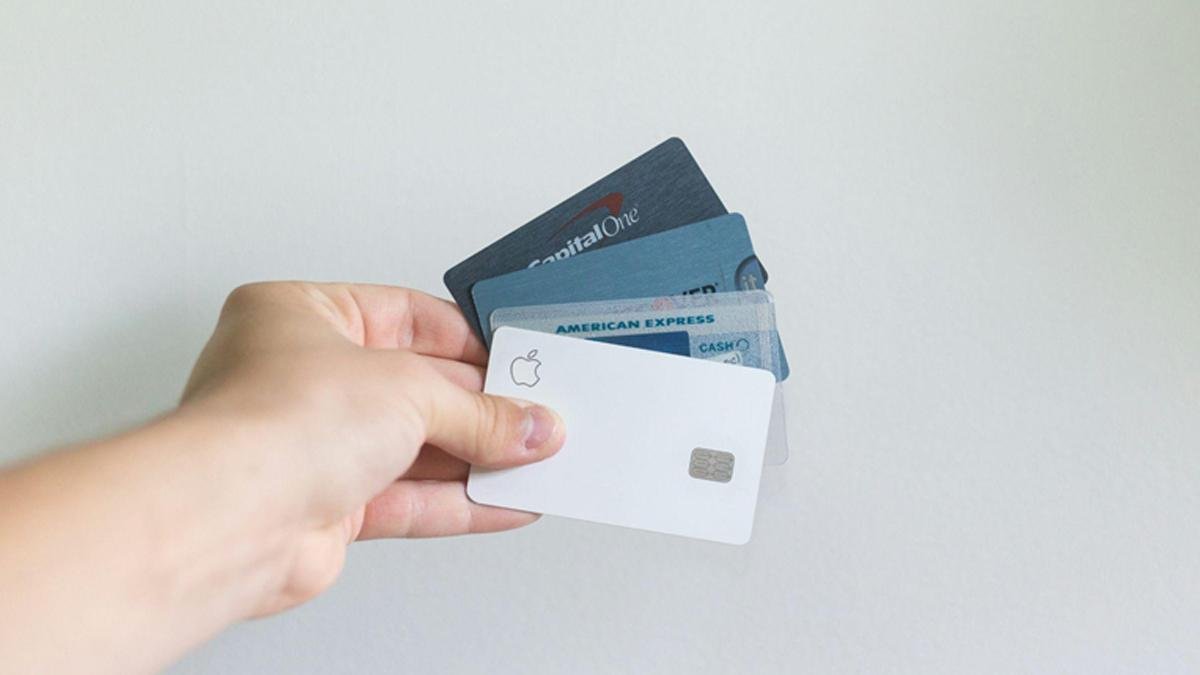
India’s credit card spending growth showed signs of moderation in February 2026 even as the number of active cards continued to rise. This divergence highlights a shift in consumer behaviour, indicating cautious spending patterns despite expanding access to credit.
India’s credit card spending slowdown in February comes at a time when card issuance continues to grow steadily, making it a critical signal for consumption trends, banking strategies, and the broader retail economy.
Spending Growth Moderates While Cards in Circulation Increase
Recent banking and payments data indicate that while the total number of credit cards in circulation crossed new highs, monthly spending growth did not keep pace. This marks a clear deviation from the post-pandemic trend where higher card issuance typically translated into proportional spending increases.
The slowdown is not a contraction in absolute terms but a moderation in growth rate. Consumers are still spending, but the pace has softened. This suggests that while credit access is expanding, usage intensity per card is stabilising or even declining.
One key driver behind rising card numbers is aggressive issuance by banks targeting Tier-2 and Tier-3 markets. However, newer users in these regions often begin with smaller ticket transactions, which dilutes overall spending growth despite higher volumes.
Shift in Consumer Behaviour and Spending Patterns
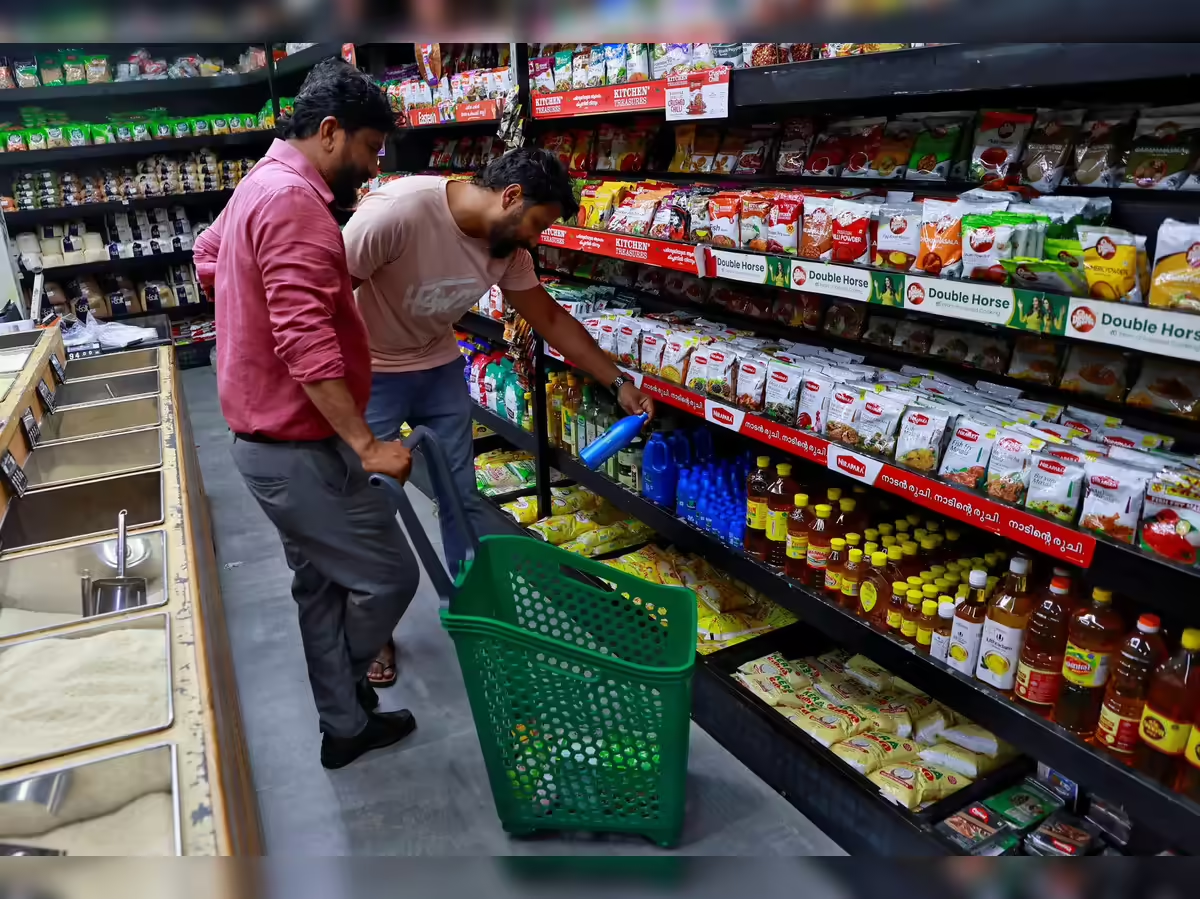
A deeper look at consumption behaviour shows a shift toward cautious spending. Consumers are increasingly prioritising essential categories such as groceries, utilities, and fuel, while discretionary spending on travel, luxury, and high-value retail has slowed.
This aligns with broader macroeconomic signals, including inflation pressures and tighter household budgets. Even salaried urban consumers are showing signs of controlled spending, using credit cards more as liquidity tools rather than for impulse purchases.
Another important trend is the rise of alternative payment methods such as UPI. Many users who previously relied on credit cards for small transactions are now shifting to UPI, reserving cards primarily for larger purchases or EMI conversions.
Impact on Banks and Credit Card Strategies
For banks and NBFCs, this trend has strategic implications. The focus is gradually shifting from pure card acquisition to improving spend per user and profitability.
Issuers are now likely to prioritise:
- Customer segmentation based on spending behaviour
- Targeted reward programs to drive higher usage
- Cross-selling EMI and personal loan products
- Risk management amid rising unsecured exposure
The slowdown in spending growth also comes at a time when regulators are closely monitoring unsecured lending. This could further push lenders to adopt a more calibrated approach toward credit expansion.
Tier-2 and Tier-3 Markets Driving Volume, Not Value
The expansion of credit cards into Tier-2 and Tier-3 cities is a structural positive for financial inclusion. However, these markets are currently contributing more to card volumes than to high-value spending.
Consumers in these regions tend to:
- Use cards for essential and small-ticket purchases
- Maintain lower credit utilisation ratios
- Be more cautious about revolving credit
Over time, as income levels rise and financial literacy improves, these segments could become stronger contributors to spending growth. For now, they are expanding the base rather than accelerating consumption value.
What This Means for India’s Consumption Story
The divergence between rising card issuance and slower spending growth is an early indicator of a maturing consumption cycle. It reflects a shift from high-growth, credit-fuelled spending to more balanced and need-based consumption.
This does not signal a demand collapse. Instead, it suggests that consumers are becoming more disciplined, possibly influenced by economic uncertainties and increased awareness of debt management.
For policymakers and economists, this trend provides insight into real consumption patterns beyond headline GDP numbers. It also reinforces the importance of tracking payment behaviour as a proxy for economic health.
Takeaways
• Credit card base is expanding, but spending per user is moderating
• Consumers are shifting toward essential spending and cautious credit usage
• Tier-2 and Tier-3 markets are driving card growth but with lower ticket sizes
• Banks may pivot from acquisition to profitability and risk management
FAQs
1. Why did credit card spending slow in February 2026?
Spending growth slowed due to cautious consumer behaviour, inflation pressures, and a shift toward essential purchases rather than discretionary spending.
2. Are people using credit cards less?
Not necessarily. The number of users is increasing, but average spending per user is stabilising or growing at a slower pace.
3. How does UPI affect credit card spending?
UPI is replacing credit cards for small transactions, reducing overall card usage frequency while cards are increasingly used for larger purchases.
4. Is this trend negative for the economy?
It is not inherently negative. It indicates more disciplined consumption rather than a sharp decline in demand.









Leave a comment