

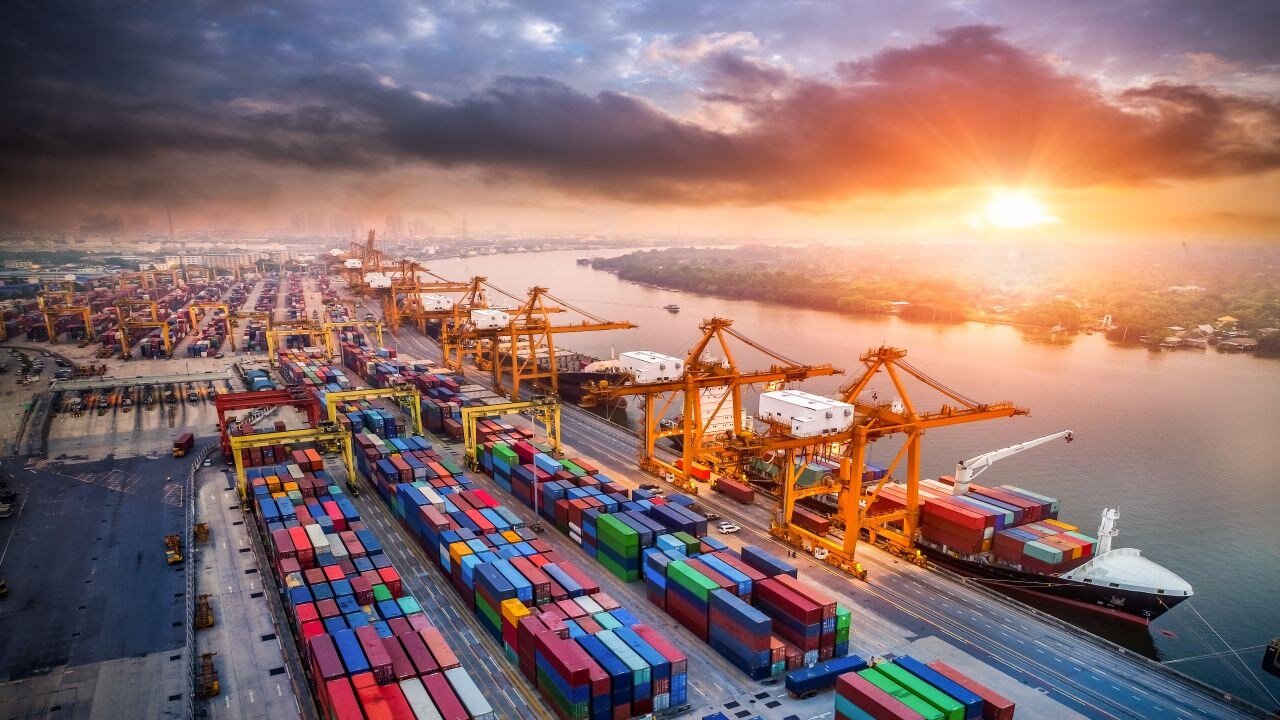
India’s logistics costs have shown a marginal decline in early 2026, raising expectations of improved competitiveness for small exporters. The shift reflects ongoing infrastructure upgrades and policy focus, with potential benefits for MSMEs engaged in domestic and global trade.
India’s logistics costs drop marginally in recent estimates, making this a time-sensitive development tied to policy execution and infrastructure progress. Logistics costs in India have historically been higher than global benchmarks, estimated at around 13 to 14 percent of GDP, compared to 8 to 10 percent in developed economies.
Infrastructure Push Drives Logistics Cost Reduction
One of the primary reasons behind the decline in logistics costs is the government’s sustained investment in infrastructure. Initiatives such as dedicated freight corridors, highway expansion, and multimodal logistics parks are improving efficiency across transport networks.
Projects under the PM Gati Shakti framework are integrating road, rail, and port connectivity, reducing transit time and bottlenecks. Faster movement of goods directly lowers fuel consumption and inventory holding costs.
For small exporters, especially those located in Tier-2 industrial clusters, improved connectivity reduces dependency on intermediaries and lowers end-to-end shipping expenses.
This structural improvement is expected to gradually align India’s logistics costs with global standards.
Impact of Lower Freight Costs on MSME Exporters
A marginal reduction in logistics costs can have a meaningful impact on MSME exporters operating on tight margins. Lower freight rates and improved delivery timelines enhance price competitiveness in international markets.
For example, exporters in sectors such as textiles, handicrafts, and engineering goods benefit from reduced transportation costs when shipping products to ports.
In many cases, logistics expenses account for a significant portion of total export costs. Even a small percentage reduction can improve profitability or allow businesses to offer more competitive pricing.
This is particularly important for small exporters competing with countries like Vietnam and Bangladesh, where logistics efficiency is relatively higher.
Digital Logistics and Supply Chain Optimisation Trends
Another contributing factor is the increasing adoption of digital logistics platforms. Technology-driven solutions are helping businesses optimise routes, track shipments in real time, and reduce delays.
Logistics aggregators and freight marketplaces are enabling MSMEs to access competitive pricing without needing large-scale contracts.
Warehouse management systems and inventory planning tools are also improving supply chain efficiency. These advancements reduce wastage, delays, and unnecessary costs.
For small exporters, digital adoption is becoming a critical enabler in managing logistics more efficiently and transparently.
Challenges That Continue to Affect Cost Efficiency
Despite the marginal drop, logistics costs in India remain relatively high. Several structural challenges continue to limit faster reduction.
Fuel prices, toll charges, and fragmented supply chains still contribute to higher transportation costs. In addition, last-mile connectivity issues in rural and semi-urban areas can increase delivery time and expenses.
Port congestion and documentation delays also impact export timelines. While digitisation efforts are improving processes, complete efficiency is yet to be achieved.
For MSMEs, these challenges mean that logistics planning remains a complex and cost-sensitive aspect of operations.
Opportunities for Tier-2 Export Clusters and Local Businesses
The reduction in logistics costs is particularly beneficial for Tier-2 and Tier-3 export clusters. Cities such as Surat, Moradabad, Tiruppur, and Rajkot stand to gain from improved connectivity and reduced transit times.
These regions house a large number of MSMEs involved in export-oriented manufacturing. Lower logistics costs can enhance their global competitiveness and expand market access.
Additionally, better infrastructure encourages new businesses to enter export markets, contributing to regional economic growth.
The focus is gradually shifting toward decentralising export activity beyond major ports and metro cities.
Outlook for India’s Logistics Sector and Export Growth
The marginal decline in logistics costs signals progress but also highlights the need for sustained reforms. Continued investment in infrastructure, policy alignment, and technology adoption will be critical.
If current trends continue, India could see a steady improvement in its logistics performance index rankings and export competitiveness.
For small exporters, the key will be leveraging these improvements while adopting efficient supply chain practices.
The long-term impact of reduced logistics costs could be significant, supporting India’s goal of expanding its export base and strengthening MSME participation in global trade.
Takeaways
- India’s logistics costs have slightly reduced, improving export competitiveness
- MSME exporters benefit from lower freight and faster delivery timelines
- Infrastructure and digital logistics are key drivers of cost efficiency
- Challenges like fuel costs and supply chain gaps still persist
FAQs
What are logistics costs and why do they matter for exporters?
Logistics costs include transportation, warehousing, and handling expenses. Lower costs improve profit margins and global competitiveness for exporters.
How much have logistics costs reduced in India?
The reduction is marginal so far, but it reflects ongoing improvements in infrastructure and supply chain efficiency.
Which sectors benefit the most from lower logistics costs?
Export-oriented sectors such as textiles, engineering goods, and handicrafts see the most direct benefits.
Can small exporters fully benefit from these changes?
Yes, but they need to adopt efficient logistics practices and leverage digital tools to maximise cost savings.











Leave a comment