

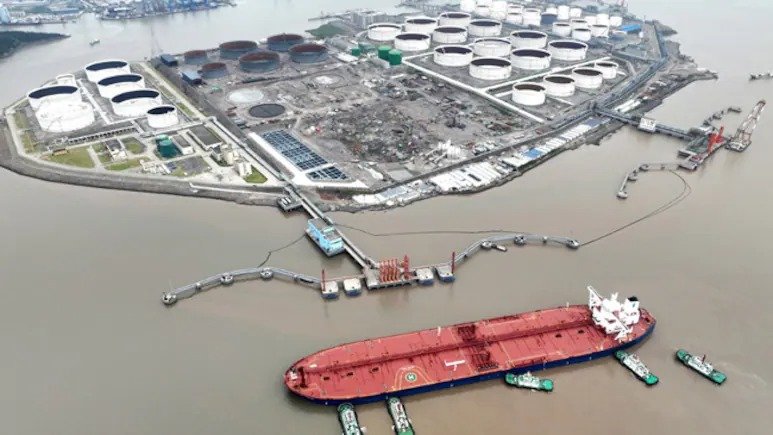
Union Minister Hardeep Singh Puri recently announced that India has successfully expanded its crude oil sourcing from 27 countries to 41 nations. This aggressive diversification strategy, implemented over the last decade, is designed to shield the Indian economy from extreme global price shocks and ensure energy security for the common man.
The Shift from Concentration to Diversification
For decades, India was heavily reliant on a small cluster of Middle Eastern nations for its energy needs. While geographic proximity offered lower freight costs, it also made the Indian economy highly vulnerable to regional conflicts and supply disruptions in the Strait of Hormuz. By broadening the procurement net to 41 countries—including newer partners like the United States, Norway, and Guyana—India has effectively diluted the “geopolitical premium” often added to oil prices. This shift means that a supply cut in one part of the world no longer translates into an immediate crisis at the Indian petrol pump.
How Sourcing Strategy Impacts Local Fuel Stations
When India buys crude oil at competitive rates from a wider variety of sellers, it allows the government to manage the fiscal “buffer” more effectively. In 2026, even as global Brent crude prices face volatility due to international conflicts, the Indian government has utilized this diverse supply chain to absorb price shocks at the institutional level. Instead of passing every dollar increase directly to the consumer, the diversified portfolio allows Oil Marketing Companies (OMCs) to maintain more stable retail prices. For a consumer in a small town, this translates to fewer overnight price hikes and more predictable transportation costs.
Logistics and Refining as the Silent Stabilizers
Supply diversity is only as good as the infrastructure that processes it. India has developed one of the most sophisticated refining hubs globally, capable of processing different “grades” of crude—from the heavy sour varieties of the Middle East to the light sweet crude from the Americas. This technical flexibility allows India to switch suppliers quickly based on whichever country offers the best price. By maximizing efficiency at refineries, the cost of production for petrol and diesel is kept in check, which is the foundational reason why fuel prices in Tier 2 and Tier 3 cities have remained relatively steady despite global chaos.
Energy Security in Smaller Towns and Rural Belts
In smaller Indian towns, fuel price stability is not just about personal commuting; it is the backbone of the local economy. Agriculture, small-scale manufacturing, and the delivery of essential goods rely heavily on diesel-powered logistics. By sourcing oil from 41 countries, the government ensures that the “energy basket” is never empty. Operation Urja Suraksha and increased domestic LPG production have complemented this crude sourcing strategy, ensuring that even remote rural kitchens and local transport hubs have a consistent supply without the fear of sudden, localized shortages.
The Role of Non-OPEC Suppliers and Future Outlook
The rise of non-OPEC suppliers like the United States and Russia in India’s import mix has broken the monopoly of traditional oil cartels. This competition forces global suppliers to offer better terms to India, the world’s third-largest oil consumer. Looking ahead, the government’s focus is moving toward long-term contracts and strategic reserves that can last up to 60 days. This multi-pronged approach of diversified sourcing, technical refining prowess, and strategic stockpiling serves as a formidable insurance policy for the Indian middle class against the unpredictable nature of global energy markets.
Key Takeaways for the Indian Public
- India now imports crude oil from 41 countries, up from 27 just a few years ago.
- This diversification reduces dependence on any single region, preventing sudden supply shortages.
- Stable fuel prices in small towns are a direct result of the government’s ability to “negotiate” with multiple global sellers.
- Advanced refining technology allows India to process cheaper, varied oil grades to keep retail costs down.
Frequently Asked Questions
Why does the number of countries India buys oil from matter to me?
When India has 41 options instead of 27, it has more “bargaining power.” If one country raises prices or faces a war, we can simply buy more from the other 40, keeping your local petrol price from spiking suddenly.
Does this mean petrol prices will never go up?
Global market trends still influence prices, but diversification acts as a “shock absorber.” It prevents the extreme, drastic price jumps that happen when a country is dependent on only one or two suppliers.
What is Operation Urja Suraksha?
It is a coordinated government response involving ministries and oil companies to ensure that oil and gas supplies remain uninterrupted during global crises, specifically protecting the “kitchen fire” and transport sectors.
Is India producing any of its own oil?
While India still imports about 85% of its requirements, it has increased domestic LPG yield and is aggressively incentivizing the shift to natural gas and LNG to reduce the overall “crude oil burden.”









Leave a comment