

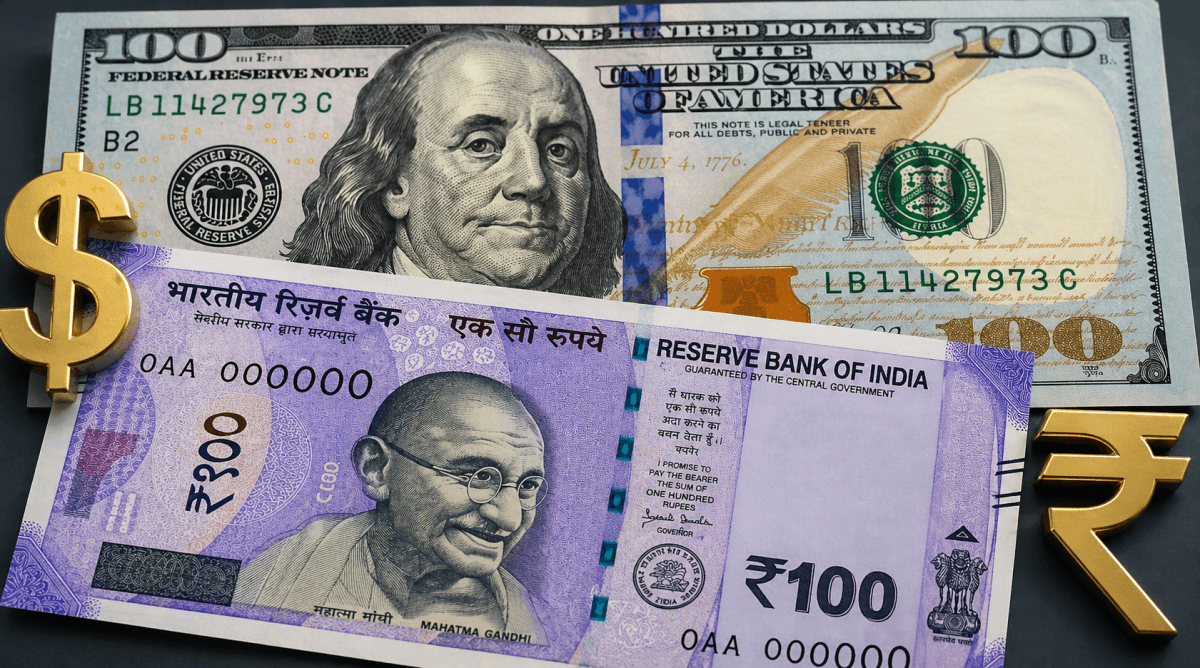
The Reserve Bank of India has confirmed that 98.47 percent of the ₹2,000 denomination banknotes have been returned to the banking system. Nearly three years since the withdrawal announcement, only a small fraction of the high value currency remains in public hands.
The Success of the Clean Note Policy Withdrawal
The Reserve Bank of India (RBI) recently announced that the vast majority of ₹2,000 banknotes have been successfully pulled from circulation. When the withdrawal was first initiated on May 19, 2023, the total value of these notes in circulation stood at a massive ₹3.56 lakh crore. By the close of business on April 30, 2026, this figure plummeted to just ₹5,451 crore. This transition was part of the RBI Clean Note Policy, which aims to provide high quality currency notes to the public while removing denominations that have served their temporary purpose. The primary objective of the ₹2,000 note was to quickly remonetize the economy after the 2016 currency withdrawal, and with other denominations now available in plenty, its utility has naturally diminished.
Understanding the Legal Tender Status in 2026
A common point of confusion among the public is whether these notes have lost their value. The RBI has explicitly clarified that despite their withdrawal from active circulation, the ₹2,000 banknotes continue to be legal tender. This means the notes still hold their full face value. However, the days of walking into a local commercial bank branch to exchange or deposit them are long gone. Regular bank branches stopped these services in October 2023. Today, the process of converting these notes into usable bank balance or lower denominations requires a specific channel, making it more of a financial asset to be managed rather than a practical currency for daily vegetable shopping or retail transactions.
How to Exchange the Final Five Thousand Crore
For the small percentage of Indian households and businesses still holding the remaining ₹5,451 crore, the RBI has provided two primary exchange methods. The first is visiting any of the 19 RBI Issue Offices located in major cities like Mumbai, Delhi, Bengaluru, Chennai, and Kolkata. At these offices, individuals can exchange up to ₹20,000 at a time or deposit the entire amount into their bank accounts. The second, and perhaps most convenient option for those in remote areas or smaller towns, is utilizing the India Post network. Citizens can send their ₹2,000 notes through any post office to an RBI Issue Office for direct credit to their bank accounts, provided they submit valid identity documents and complete the necessary due diligence.
Why Some Currency Still Remains Unreturned
The “missing” 1.53 percent of notes represents a fascinating mix of lost, forgotten, and intentionally held currency. Financial experts suggest that a portion of these notes may have been damaged or lost over the years. Others might be held by Non Resident Indians (NRIs) who have not visited India recently to exchange their holdings. There is also the possibility of small amounts tucked away in rural households as emergency savings that have simply been overlooked. While holding these notes is not illegal, market experts advise against keeping them for long. As the circulation figures drop further, the practical difficulty of spending these notes in regular markets will only increase, making the banking credit option the only logical path forward.
Future of High Value Currency in India
As India nears the 100 percent return mark, the focus of the RBI is shifting toward strengthening the digital payment ecosystem and the Central Bank Digital Currency (CBDC) or E-Rupee. The phase-out of the ₹2,000 note has significantly reduced the possibility of high value hoarding, a major goal of the currency management exercise. For now, the “final lap” for the remaining currency is a testament to the efficient logistics of the Indian postal and central banking systems. While no official date has been set for the complete invalidation of the notes, the message from the central bank is clear: it is time to move the last of the purple notes into the formal financial system.
Key Takeaways for Currency Holders
- Over 98.47 percent of ₹2,000 notes are now back with the RBI, leaving only ₹5,451 crore in circulation.
- The notes remain legal tender, but can no longer be deposited or exchanged at regular commercial bank branches.
- Individuals can still exchange or deposit notes at 19 RBI Issue Offices or via India Post.
- Valid KYC and identity documentation are mandatory for all exchange or deposit requests in this final phase.
Frequently Asked Questions
Can I still use a ₹2,000 note at a retail shop?
Technically, they are legal tender, so they are valid for payments. However, most shopkeepers may refuse them due to the difficulty of depositing them at regular banks. It is better to exchange them through official RBI channels.
Is there a deadline to exchange the remaining notes in 2026?
The RBI has not yet announced a final cutoff date for the legal tender status, but the facility at RBI Issue Offices remains the only official way to ensure you receive the full value.
Can NRIs send their notes for exchange?
Yes, NRIs can utilize the India Post facility or visit an RBI Issue Office during their visit to India, subject to the standard foreign exchange and identity regulations.
What happens if I find a ₹2,000 note in an old cupboard next year?
As long as the RBI continues the current facility, you can still send it to an Issue Office to have the amount credited to your bank account.











Leave a comment