

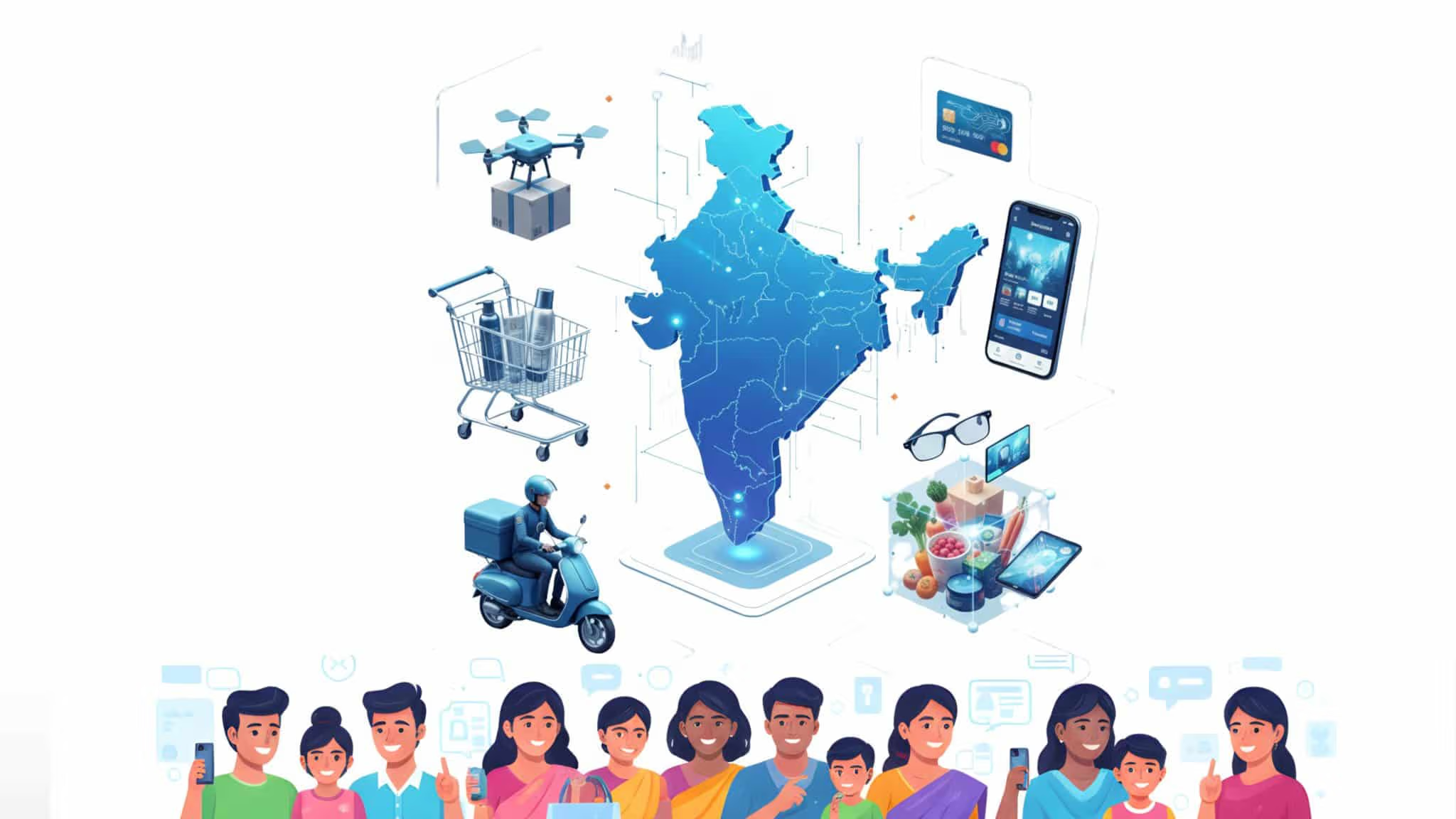
Tier-2 India’s consumption story is reshaping how companies expand across the country. Brands are shifting focus beyond metros as smaller cities drive demand growth, supported by rising incomes, digital access, and evolving consumer preferences.
Tier-2 India’s Consumption Story Is Driving Market Expansion
Tier-2 India’s consumption story has become central to business growth strategies across sectors. The main keyword reflects a clear transition where demand from smaller cities is no longer secondary but a primary driver of sales.
Companies across FMCG, consumer electronics, apparel, and financial services are reporting faster growth in Tier-2 and Tier-3 markets compared to metropolitan regions. This trend is supported by multiple industry updates from players like Dabur India and Marico Limited, which have consistently highlighted rural and semi-urban demand in their performance commentary.
This shift indicates that India’s consumption landscape is becoming more distributed. Growth is no longer concentrated in major cities but is spreading across emerging urban centers.
Rising Income and Aspirational Spending Patterns
Tier-2 consumption growth is closely linked to increasing disposable incomes and aspirational behavior. Economic activity in smaller cities has expanded due to infrastructure development, local industries, and service sector opportunities.
Consumers are moving beyond essential purchases to discretionary spending. There is higher demand for branded goods, premium personal care products, packaged foods, and lifestyle items. This reflects a shift in mindset where consumers are willing to spend on quality and brand value.
Digital exposure is accelerating this change. Social media platforms, online marketplaces, and content consumption have increased awareness of global and national brands. As a result, consumer expectations in smaller cities are aligning more closely with urban standards.
Expansion of Distribution Networks and Retail Access
Distribution expansion in Tier-2 India has played a major role in unlocking consumption potential. Companies are strengthening their last-mile connectivity through local distributors, retail partnerships, and direct-to-consumer channels.
Modern retail formats such as supermarkets and organized stores are expanding into smaller cities. At the same time, e-commerce platforms are bridging accessibility gaps by delivering products to previously underserved areas.
Brands are also experimenting with smaller pack sizes and competitive pricing strategies to cater to diverse income segments. This approach ensures affordability while maintaining volume growth.
The combination of physical and digital distribution is enabling brands to scale faster in Tier-2 markets.
Digital Adoption and E-Commerce Influence
E-commerce growth in Tier-2 cities is transforming how consumers shop and interact with brands. Online platforms are no longer limited to metros, they are becoming essential channels in smaller cities.
Consumers are using digital platforms for product discovery, price comparison, and purchasing decisions. This has increased competition among brands, as visibility and digital presence become critical factors.
Payment infrastructure improvements, including widespread use of digital wallets and UPI, have further supported online transactions. This has made it easier for consumers to access a wide range of products without geographical limitations.
For brands, digital channels offer valuable insights into consumer behavior, helping them tailor offerings and marketing strategies more effectively.
Localization and Product Strategy Adjustments
Brands are rewriting expansion strategies by focusing on localization. Understanding regional preferences is becoming a key differentiator in Tier-2 markets.
Companies are introducing products tailored to local tastes, climate conditions, and cultural factors. For example, food brands are adapting flavors to regional cuisines, while apparel companies are designing collections suited to local demand patterns.
Pricing strategies are also evolving. Multi-tier pricing models and flexible packaging options allow brands to cater to both value-conscious and premium segments within the same market.
Marketing campaigns are increasingly using regional languages and culturally relevant messaging to build stronger connections with consumers.
Challenges Brands Must Address in Smaller Cities
Despite strong growth potential, Tier-2 markets present challenges. Price sensitivity remains a critical factor, requiring careful balance between affordability and profitability.
Infrastructure gaps in certain regions can affect distribution efficiency and product availability. Brands need to invest in supply chain optimization to ensure consistent service.
Competition from regional and local players is intense. These companies often have a deeper understanding of local markets and can offer competitive pricing.
Additionally, consumer loyalty can be lower compared to metros, as buyers are more open to trying new brands. This makes it important for companies to focus on product quality and consistent engagement.
What This Means for India’s Business Landscape
Tier-2 India’s consumption story highlights a structural shift in the country’s economic growth pattern. Smaller cities are emerging as key consumption hubs, driving demand across multiple sectors.
For brands, this means expansion strategies must go beyond metro-focused models. Success depends on understanding local markets, building strong distribution networks, and adapting products to regional needs.
For the economy, this trend supports balanced growth by spreading economic activity across regions. It also creates opportunities for employment, infrastructure development, and increased investment.
The future of India’s consumption growth will be defined by how effectively businesses tap into the potential of Tier-2 and Tier-3 markets.
Key Takeaways
• Tier-2 cities are becoming primary drivers of consumption growth in India
• Rising incomes and digital exposure are shaping aspirational spending
• Distribution and e-commerce expansion are improving market access
• Localization and pricing strategies are key to success in smaller cities
FAQs
Why are Tier-2 cities important for brands in India?
They offer strong growth potential due to rising incomes, increasing urbanization, and expanding consumer demand.
What factors are driving consumption in smaller cities?
Improved infrastructure, digital access, and aspirational spending are key drivers.
How are brands adapting to these markets?
By expanding distribution, localizing products, and using digital channels for engagement.
What challenges do companies face in Tier-2 markets?
Price sensitivity, competition from local players, and infrastructure limitations are major challenges.









Leave a comment