

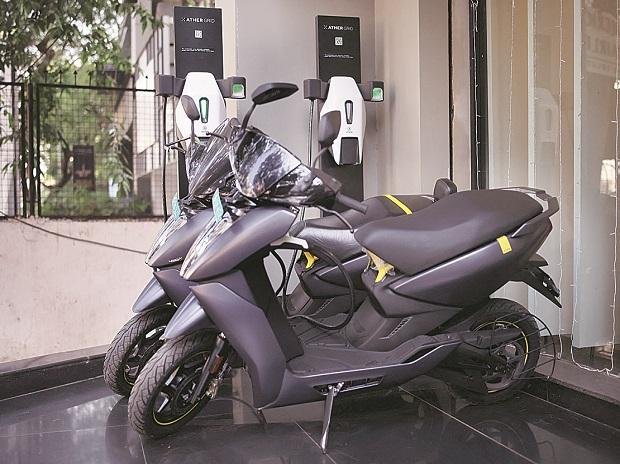
Summary: India’s electric mobility push is expanding beyond metros, but readiness in smaller cities remains uneven. While demand is rising due to fuel costs and policy support, gaps in charging infrastructure and awareness continue to shape EV adoption outside urban hubs.
India’s electric mobility push is steadily moving beyond major metros, raising an important question about EV adoption in smaller cities. While policy support and rising fuel prices are encouraging a shift toward electric vehicles, readiness in Tier-2 and Tier-3 regions depends on infrastructure, affordability, and local awareness. The transition is underway, but it is not uniform across the country.
Policy support driving EV adoption in India
EV adoption India 2026 is being strongly influenced by government policies aimed at reducing emissions and fuel dependency. Initiatives such as the FAME scheme have provided subsidies for electric two-wheelers, three-wheelers, and buses. Several state governments have also introduced additional incentives, including tax benefits and registration fee waivers.
These policies are particularly relevant for smaller cities where cost sensitivity is high. Lower upfront prices due to subsidies make electric vehicles more accessible to first-time buyers. In addition, the push for electric public transport in non-metro areas is helping build visibility and trust around EV technology.
Charging infrastructure challenges in Tier-2 cities
EV infrastructure in Tier-2 India remains one of the biggest barriers to widespread adoption. While metro cities have seen faster deployment of public charging stations, smaller cities are still in the early stages. Limited charging points create range anxiety among potential buyers, especially those who rely on vehicles for daily income.
Private charging solutions are emerging as an alternative. Many electric two-wheeler and three-wheeler users charge their vehicles at home or at small commercial setups. However, this is not a scalable solution for all vehicle categories, particularly for electric cars that require more structured charging networks.
Efforts are being made to expand infrastructure through partnerships between government agencies and private players. Over time, the development of highways and intercity charging corridors is expected to improve connectivity and confidence in EV usage.
Consumer behavior and demand trends in smaller cities
Tier-2 EV demand trends show a gradual but steady increase, especially in the two-wheeler and three-wheeler segments. These categories are more affordable and better suited to short-distance travel, which is common in smaller cities. Electric auto-rickshaws, in particular, are gaining traction due to lower operating costs compared to petrol or diesel variants.
Consumers in these regions are highly price-conscious, which makes total cost of ownership an important factor. Electric vehicles offer lower running and maintenance costs, which appeals to daily commuters and small business owners. However, awareness about long-term savings and battery performance is still developing.
Word-of-mouth and local success stories are playing a key role in influencing adoption. As more people experience the benefits of EVs, confidence in the technology is gradually increasing.
Role of local businesses and fleet operators
Small businesses and fleet operators are becoming early adopters of electric mobility in smaller cities. Delivery services, logistics operators, and ride-sharing drivers are shifting to electric vehicles to reduce fuel expenses. This is particularly relevant in sectors where margins are tight and cost savings can directly improve profitability.
Local governments are also encouraging the adoption of electric vehicles in commercial fleets. For example, municipal initiatives to electrify public transport and last-mile connectivity services are creating demand for EVs in non-metro regions. These developments help build an ecosystem that supports broader adoption.
Challenges slowing down EV penetration
Despite the progress, several challenges continue to affect EV adoption in smaller cities. Battery replacement costs and concerns about resale value remain key issues for potential buyers. Limited availability of service centers and trained technicians also adds to the hesitation.
Financing is another hurdle. While loans for electric vehicles are becoming more common, access to credit can still be limited for buyers in smaller towns. This affects adoption, particularly among lower-income groups who could benefit the most from reduced operating costs.
In addition, inconsistent power supply in some areas can impact charging reliability. These practical concerns need to be addressed to ensure a smoother transition to electric mobility across all regions.
What the future holds for EV adoption beyond metros
India’s electric mobility push is likely to gain stronger momentum in smaller cities as infrastructure improves and awareness increases. The growth path may differ from metros, with a stronger focus on two-wheelers, three-wheelers, and commercial applications.
As battery technology advances and costs decline, electric vehicles are expected to become more accessible to a wider audience. Continued policy support and private sector investment will be critical in bridging existing gaps.
The shift toward electric mobility in smaller cities is not just about environmental goals. It is also about economic efficiency and reducing dependence on fossil fuels. Over time, as the ecosystem matures, Tier-2 and Tier-3 cities will play a significant role in shaping India’s EV future.
Takeaways
- EV adoption in smaller cities is growing but remains uneven due to infrastructure gaps
- Government incentives are making electric vehicles more affordable in non-metro areas
- Two-wheelers and three-wheelers are leading EV demand in Tier-2 cities
- Challenges such as charging access, financing, and awareness still need to be addressed
FAQs
Q1. Are smaller cities in India ready for electric vehicles
Readiness is improving, but infrastructure and awareness gaps still exist, making adoption slower compared to metro cities.
Q2. Which EV segments are most popular in Tier-2 cities
Electric two-wheelers and three-wheelers are the most widely adopted due to affordability and suitability for short-distance travel.
Q3. What are the main challenges for EV adoption in smaller cities
Limited charging infrastructure, financing issues, battery concerns, and lack of service support are key challenges.
Q4. How is the government supporting EV adoption in India
Through subsidies, tax benefits, and initiatives like the FAME scheme, along with state-level incentives and infrastructure development.










Leave a comment