

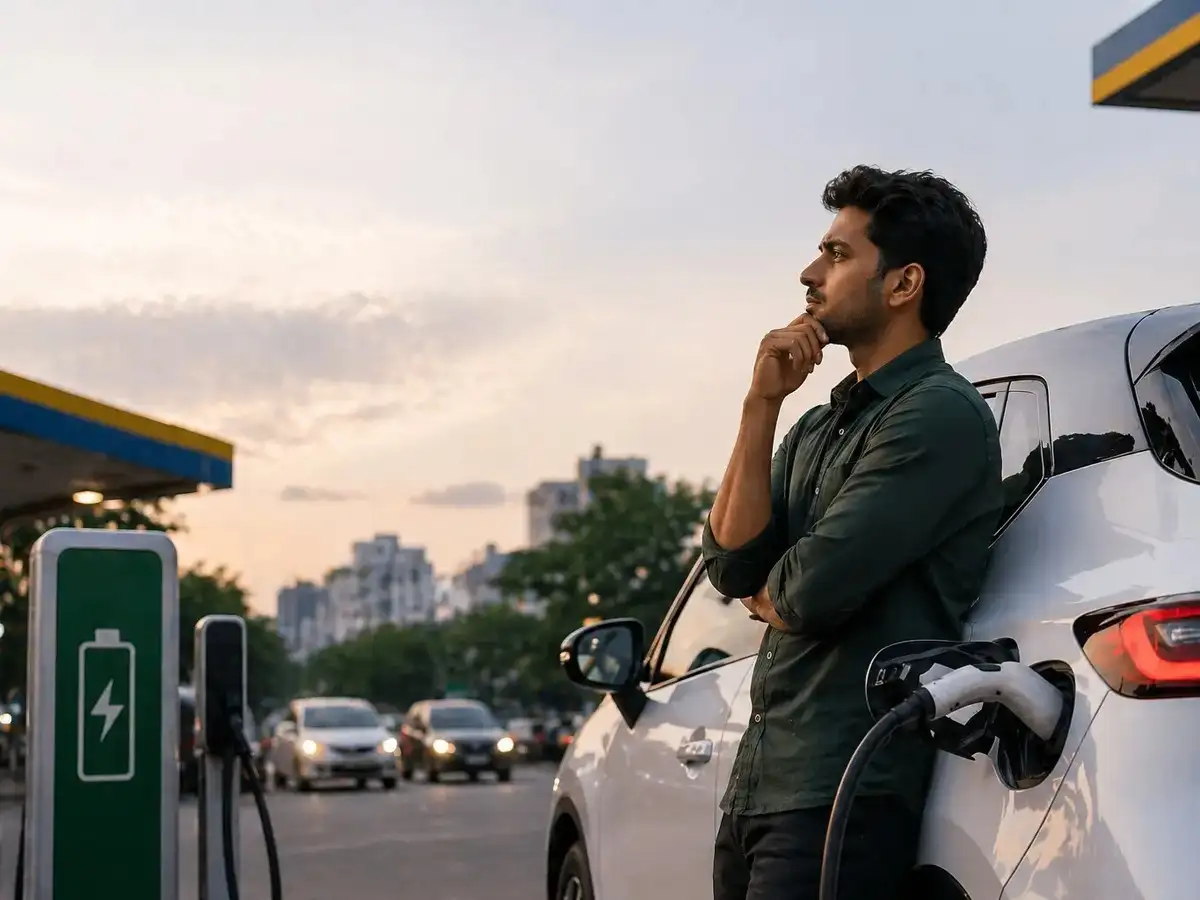
The rising demand for affordable electric vehicles in India is creating major opportunities for local manufacturers in 2026. From battery suppliers to component makers and small EV assemblers, regional businesses are increasingly benefiting as consumers look for low-cost mobility solutions beyond premium electric car segments.
India’s affordable EV market is expanding rapidly in 2026, driven by rising fuel costs, government incentives, improved charging infrastructure, and growing awareness about sustainable transportation. While premium electric vehicles continue attracting attention in urban markets, the strongest growth is now visible in affordable two-wheelers, three-wheelers, and entry-level commercial EVs.
This shift is opening new opportunities for local manufacturers across India. Small and mid-sized companies involved in batteries, motors, vehicle assembly, charging equipment, and auto components are seeing increased demand from both startups and established automobile brands.
Tier-2 and Tier-3 cities are playing an important role in this transformation. Consumers in smaller markets are showing strong interest in affordable electric mobility, especially for daily commuting, delivery operations, and public transport usage.
Industry analysts believe India’s EV transition may increasingly depend on regional manufacturing ecosystems rather than only large national automotive companies.
Affordable Electric Two-Wheelers Lead Market Growth
Electric two-wheelers remain the biggest driver of India’s affordable EV demand in 2026. Scooters and bikes priced for middle-income consumers are seeing strong adoption across urban and semi-urban markets.
For many buyers, affordability is the key deciding factor. Consumers are comparing EV ownership costs with rising petrol expenses and increasingly viewing electric scooters as practical long-term alternatives.
Delivery workers, students, office commuters, and small business owners are among the fastest-growing customer groups. This has created opportunities for local manufacturers supplying batteries, tires, wiring systems, brake components, and lightweight vehicle parts.
Many regional companies are also assembling low-speed electric scooters designed specifically for short-distance travel in smaller cities. These products often cost significantly less than premium EV models while meeting daily mobility requirements.
As competition increases, businesses focusing on low maintenance costs and accessible servicing networks are gaining stronger market traction.
Local Manufacturing Ecosystems Are Expanding Rapidly
The growth of affordable EVs is encouraging the development of regional manufacturing clusters across multiple Indian states. Maharashtra, Tamil Nadu, Gujarat, Karnataka, Uttar Pradesh, and Telangana are emerging as important EV production hubs.
Local manufacturers are increasingly becoming part of EV supply chains by producing components such as battery casings, charging connectors, controllers, metal frames, and electronic systems.
Unlike traditional automobile manufacturing, many EV businesses operate through smaller modular production systems. This allows regional companies to enter the market with lower capital requirements compared to conventional automotive plants.
Government initiatives linked to Make in India, FAME incentives, and state EV policies are also supporting domestic manufacturing growth. Several states are offering subsidies, land support, and tax benefits to attract EV-related industries.
This expansion is generating employment opportunities not only in vehicle production but also in logistics, maintenance, charging infrastructure, and technical servicing.
Battery Technology and Charging Infrastructure Remain Critical
Battery affordability continues to shape the future of India’s EV market. Lithium-ion battery costs have gradually declined over the past few years, making entry-level electric vehicles more financially accessible.
At the same time, local battery assembly companies are expanding operations to reduce import dependence. India still imports a significant portion of battery materials, but domestic manufacturing capacity is increasing steadily.
Charging infrastructure is also improving in many cities and highways, though gaps remain in rural and semi-urban regions. Affordable EV adoption depends heavily on charging accessibility, especially for commercial users who rely on daily vehicle operations.
Some regional businesses are now building battery-swapping networks and small charging stations tailored for two-wheelers and three-wheelers. These models are particularly useful in crowded urban areas where home charging is not always practical.
Industry experts believe infrastructure development will remain essential for sustaining long-term EV demand growth.
Small Businesses and Startups Are Entering the EV Sector
The affordable EV boom is attracting startups and local entrepreneurs into the electric mobility sector. Many companies are focusing on niche opportunities such as fleet management, charging services, battery recycling, and software integration.
Small manufacturers are also partnering with delivery platforms and logistics companies that want lower operating costs through electric transportation. E-commerce growth has increased demand for electric delivery vehicles in many Indian cities.
Regional startups are developing products specifically designed for Indian road conditions and price-sensitive consumers. Some are offering subscription-based battery services or financing models to make EV ownership easier for first-time buyers.
The growth of local manufacturing is also helping India reduce dependence on imported automotive components over time.
However, competition remains intense. Companies must balance affordability with product quality, safety standards, and after-sales service reliability to survive in the market.
What Affordable EV Growth Means for India’s Economy
The rise of affordable EV demand reflects a broader transition in India’s transportation and manufacturing sectors. Electric mobility is no longer limited to premium urban consumers. It is increasingly becoming part of mainstream transportation for middle-income and commercial users.
For local manufacturers, this creates opportunities to build long-term businesses around supply chains, components, servicing, and infrastructure development.
The shift may also strengthen India’s position in global EV manufacturing over the coming decade, especially if domestic battery production and charging infrastructure continue improving.
As affordability remains central to consumer decisions, businesses that combine low-cost innovation with reliable performance are likely to lead the next phase of India’s EV market growth.
Takeaways
- Affordable electric vehicles are driving strong demand across India in 2026
- Local manufacturers are benefiting through EV component and assembly opportunities
- Electric two-wheelers and commercial EVs are leading adoption in smaller cities
- Battery costs and charging infrastructure remain critical growth factors
FAQs
Why are affordable EVs becoming popular in India?
Rising fuel prices, lower running costs, government incentives, and improved awareness about electric mobility are increasing demand for affordable EVs.
Which EV segment is growing the fastest?
Electric two-wheelers and commercial three-wheelers are currently among the fastest-growing EV categories in India.
How are local manufacturers benefiting from EV demand?
Regional manufacturers are supplying batteries, components, charging equipment, and assembly services to growing EV businesses.
What challenges does India’s affordable EV sector still face?
Battery affordability, charging infrastructure gaps, supply chain dependence, and product quality consistency remain major challenges.










Leave a comment