

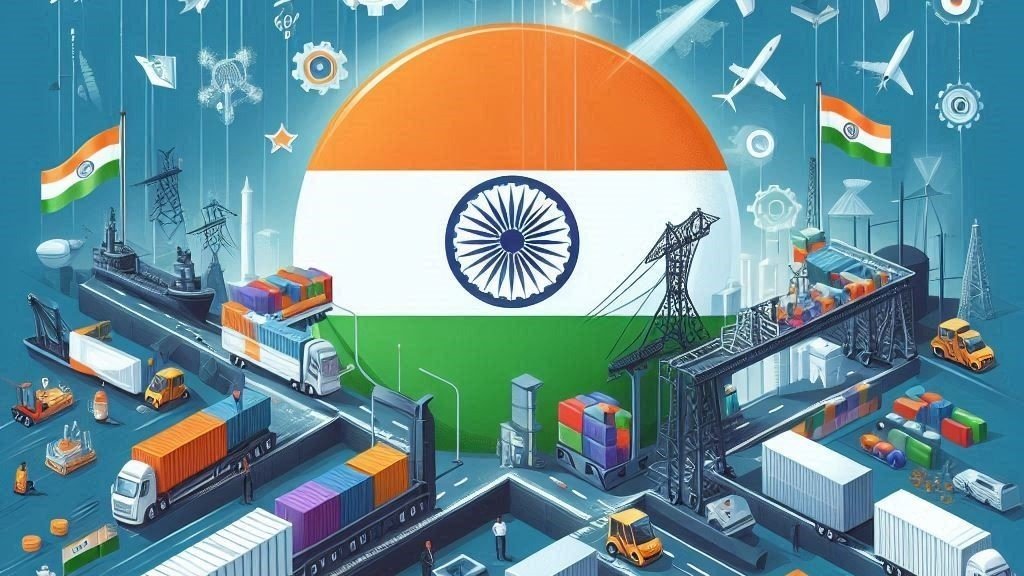
Rising logistics costs are forcing Indian small businesses to rethink expansion strategies in 2026. Higher fuel prices, warehousing expenses, transportation charges, and delivery costs are affecting profitability, especially for MSMEs operating across multiple cities and states.
Rising logistics costs have become a major concern for Indian small businesses trying to scale operations in an increasingly competitive market. For many MSMEs, transportation and supply chain expenses now account for a larger share of operating costs than they did a few years ago. Businesses involved in manufacturing, ecommerce, retail, food distribution, and consumer goods are particularly feeling the pressure.
The impact is visible across both urban and regional markets. Companies that once planned aggressive expansion into new states or cities are now adopting more cautious strategies. Instead of rapid nationwide growth, many businesses are prioritising localised operations, regional warehousing, and selective market expansion.
Industry experts believe logistics efficiency is becoming one of the biggest deciding factors for small business profitability in India.
Why Logistics Costs Are Increasing Across India
Several factors are contributing to rising logistics expenses in India. Fuel price volatility remains one of the biggest challenges for transport operators and delivery networks. Even small increases in diesel prices directly impact freight costs across industries.
At the same time, warehousing rents have increased in several industrial and ecommerce hubs due to rising demand for storage facilities. Businesses are also spending more on packaging materials, interstate transportation, toll charges, and last-mile delivery services.
The rapid growth of ecommerce has further increased pressure on supply chains. Customers now expect faster deliveries, real-time tracking, and flexible return options, all of which increase operational complexity and costs.
For MSMEs operating on thin profit margins, these expenses can significantly affect expansion plans. Many small businesses do not have the financial flexibility enjoyed by larger corporations with integrated logistics systems.
As a result, supply chain planning has become a central part of business decision-making.
MSMEs Shift Toward Regional Expansion Strategies
Small businesses are increasingly focusing on regional growth instead of attempting large nationwide expansion. Many companies are now prioritising nearby markets where transportation costs are manageable and delivery timelines are shorter.
For example, a food processing company in Maharashtra may focus on western India instead of immediately expanding into southern or northeastern markets. Similarly, regional apparel brands are increasingly building strong state-level distribution networks before entering national ecommerce competition.
This shift helps businesses reduce freight costs, improve inventory management, and maintain better operational control. Regional warehousing models are also becoming more common among MSMEs trying to reduce long-distance transportation expenses.
Businesses are now analysing logistics costs more carefully before entering new markets. In some cases, expansion plans are being delayed entirely until transportation conditions improve or demand becomes more predictable.
Local manufacturing and sourcing strategies are also gaining importance because they reduce dependency on long supply chains.
Ecommerce Businesses Face Margin Pressure From Delivery Costs
Ecommerce-driven businesses are among the most affected by rising logistics expenses. Online sellers depend heavily on courier networks, fulfilment centres, packaging operations, and reverse logistics systems.
Delivery costs have increased steadily due to fuel prices, urban congestion, and higher customer service expectations. Smaller ecommerce sellers often struggle because they lack the shipping volumes needed to negotiate lower courier rates.
Return orders are another major cost challenge. In categories such as fashion, electronics accessories, and beauty products, reverse logistics can significantly impact profit margins.
Many direct-to-consumer brands are now limiting free delivery offers or increasing minimum order values to offset rising expenses. Some businesses are also focusing more on hyperlocal delivery models within specific cities instead of nationwide shipping.
Regional ecommerce fulfilment centres are becoming increasingly important because they reduce long-distance transportation costs and improve delivery speed.
Manufacturing and Retail Sectors Rethink Supply Chain Models
Manufacturing MSMEs are adjusting procurement and distribution strategies to reduce transportation dependency. Businesses are increasingly sourcing raw materials closer to production units whenever possible.
Several companies are also investing in technology to improve route planning, warehouse management, and inventory forecasting. Digital logistics platforms are helping smaller businesses track shipments more efficiently and optimise supply chain operations.
Retail businesses are facing similar pressures. Traditional distributors and wholesalers are seeing higher transportation expenses, particularly in rural and semi-urban markets where delivery infrastructure may still be inconsistent.
As a result, businesses are becoming more selective about physical store expansion. Instead of opening multiple outlets rapidly, many brands are strengthening fewer high-performing markets.
The focus has shifted from aggressive scale to sustainable profitability.
Infrastructure Improvements May Help Reduce Long-Term Costs
India has made significant investments in highways, freight corridors, port connectivity, and logistics parks over the last decade. Projects linked to Bharatmala, Dedicated Freight Corridors, and multimodal logistics infrastructure are expected to improve transportation efficiency over time.
However, logistics costs in India still remain relatively high compared to several global manufacturing economies. Industry experts believe better coordination between road, rail, air, and port infrastructure will be necessary to improve cost efficiency for businesses.
Technology adoption may also play an important role. AI-based route optimisation, automated warehousing, and digital freight platforms are gradually helping businesses improve logistics planning.
For smaller businesses, long-term survival may increasingly depend on how efficiently they manage supply chains rather than simply how fast they expand.
The companies adapting quickly to these changing cost structures are likely to remain more competitive in the evolving business environment.
Key Takeaways
- Rising logistics costs are affecting expansion strategies for Indian MSMEs.
- Businesses are shifting toward regional growth and localised supply chain models.
- Ecommerce and manufacturing sectors are facing strong pressure from transportation and delivery expenses.
- Technology and infrastructure improvements may help reduce logistics costs over the long term.
FAQ
Why are logistics costs rising in India?
Fuel prices, warehousing expenses, toll charges, packaging costs, and increasing delivery expectations are contributing to higher logistics expenses.
How are MSMEs responding to rising logistics costs?
Many MSMEs are focusing on regional expansion, local sourcing, and selective market growth to reduce transportation expenses.
Which industries are most affected by logistics costs?
Ecommerce, manufacturing, retail, food processing, and consumer goods sectors are among the most affected industries.
Can infrastructure projects reduce logistics expenses in the future?
Improved highways, freight corridors, logistics parks, and technology adoption may help improve transportation efficiency over time.










Leave a comment