

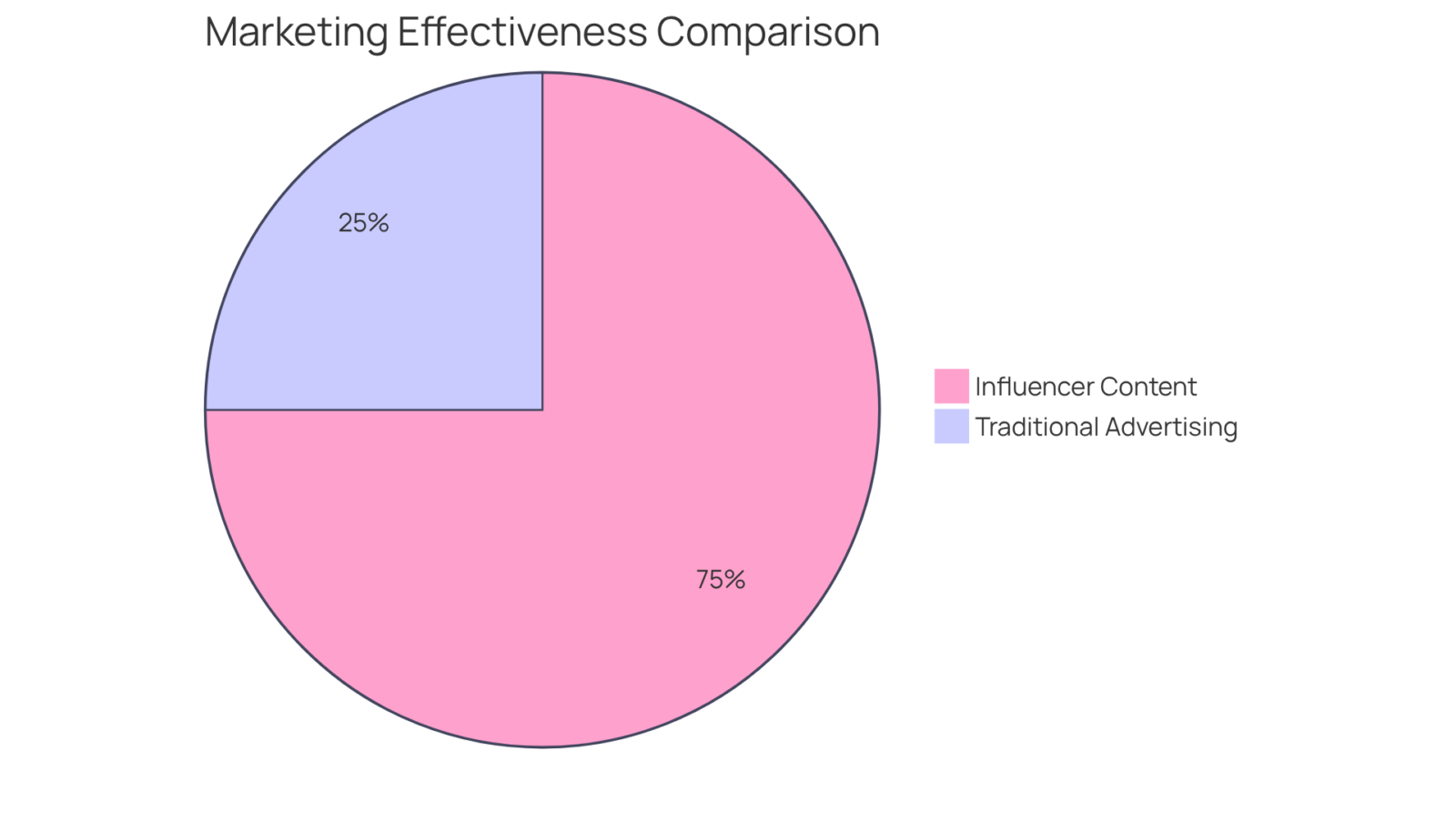
Brands across India and global markets are allocating larger portions of their marketing budgets to creator marketing instead of traditional advertising. The shift is being driven by changing consumer behavior, higher engagement on social media platforms, measurable campaign performance, and the growing influence of digital creators.
Brands are spending more on creator marketing than traditional ads, reflecting a major shift in how companies connect with consumers. Instead of relying primarily on television commercials, newspaper advertisements, radio spots, or billboards, businesses are increasingly partnering with content creators who have built loyal communities on platforms such as Instagram, YouTube, LinkedIn, and Snapchat. This trend is especially visible in India, where rising smartphone usage and affordable internet have made digital content a central part of daily life. Creator marketing is no longer limited to lifestyle brands. Companies in finance, technology, healthcare, education, automobiles, and business services are also investing in influencer-led campaigns to improve customer engagement and build trust.
Consumer Attention Has Shifted to Digital Platforms
One of the biggest reasons behind the rise of creator marketing is changing media consumption habits. Consumers are spending more time on social media and video platforms than on traditional media channels. Younger audiences, particularly Gen Z and Millennials, often discover products through creators before they see conventional advertisements.
Unlike television or print advertising, creators interact directly with their audiences through comments, live sessions, stories, and short-form videos. This two-way communication helps establish credibility and encourages higher engagement.
For brands, this means marketing messages are delivered through personalities that audiences already trust. Whether it is a technology reviewer explaining a new smartphone or a finance creator discussing investment platforms, recommendations from creators often feel more authentic than scripted advertisements.
This shift in consumer attention has encouraged companies to reallocate marketing budgets toward digital creator partnerships.
Creator Marketing Offers Better Measurement and ROI
Modern marketing strategies rely heavily on measurable performance. Traditional advertising often struggles to provide precise data on how many people took action after viewing an advertisement.
Creator marketing, on the other hand, allows brands to track detailed performance metrics. Businesses can measure impressions, engagement rates, website visits, app downloads, conversions, affiliate sales, and customer acquisition costs in real time.
Advanced analytics also help marketers compare campaign performance across multiple creators and platforms. This enables brands to optimize spending based on actual results rather than assumptions.
Performance-based collaborations have become increasingly common. Many creators now work on hybrid compensation models that combine fixed fees with commissions linked to sales or lead generation, creating greater accountability for both parties.
Micro and Regional Creators Are Attracting More Brand Partnerships
The creator economy has evolved beyond celebrity influencers with millions of followers. Brands are increasingly partnering with micro creators and regional content creators who have smaller but highly engaged audiences.
Creators focusing on technology, finance, education, parenting, travel, agriculture, fitness, or local businesses often generate stronger engagement because their content addresses specific audience interests.
Regional language creators have become particularly valuable in India. Businesses looking to expand into Tier-2 and Tier-3 markets are collaborating with creators who communicate in Hindi, Marathi, Tamil, Telugu, Bengali, Kannada, Gujarati, and other regional languages.
These partnerships help brands connect with consumers in a more relatable and culturally relevant manner while often delivering better cost efficiency than national advertising campaigns.
Creator Marketing Is Expanding Across Industries
Creator marketing is no longer dominated by fashion and beauty brands. Businesses across diverse sectors are incorporating creators into their marketing strategies.
Financial institutions work with personal finance educators to explain investment products. Healthcare companies collaborate with medical professionals to raise awareness about wellness initiatives. Technology firms partner with gadget reviewers to demonstrate product features.
Automobile manufacturers invite automotive creators for vehicle reviews and test drives. Educational platforms collaborate with career mentors and educators to reach students and professionals.
Business-to-business companies are also embracing creator marketing. Industry experts and LinkedIn thought leaders now play an important role in promoting software solutions, consulting services, and enterprise technologies.
This broad adoption demonstrates that creator marketing has matured into a mainstream business strategy rather than a niche advertising channel.
Traditional Advertising Continues to Play an Important Role
Although creator marketing is growing rapidly, it has not completely replaced traditional advertising.
Television, print, outdoor advertising, and radio continue to provide broad audience reach, especially during major sporting events, festivals, elections, and nationwide product launches. Large brands often combine traditional media with digital creator campaigns to maximize visibility.
Integrated marketing strategies are becoming increasingly common. A company may launch a television campaign to build awareness while simultaneously working with creators to provide detailed product demonstrations, customer testimonials, and interactive content.
This combination allows businesses to benefit from the mass reach of traditional advertising and the engagement of creator-led content.
The Creator Economy Will Continue to Influence Marketing Decisions
India’s creator economy is expected to continue expanding as more individuals build professional careers through digital content creation. Improved monetization tools, stronger brand partnerships, and increasing internet penetration are encouraging more people to enter the creator ecosystem.
Artificial intelligence is also changing creator marketing by helping brands identify suitable creators, analyze audience demographics, predict campaign performance, and personalize content recommendations.
At the same time, businesses are placing greater emphasis on transparency, authenticity, and regulatory compliance. Clear disclosure of paid partnerships and responsible advertising practices are becoming essential to maintaining consumer trust.
As marketing continues to evolve, creator partnerships are likely to become a permanent component of brand communication strategies, particularly in digitally connected markets like India.
Key Takeaways
- Brands are allocating larger marketing budgets to creator partnerships due to higher engagement and measurable performance.
- Micro creators and regional language influencers are becoming increasingly valuable for reaching Tier-2 and Tier-3 audiences.
- Creator marketing now extends across finance, technology, healthcare, education, automotive, and B2B industries.
- Traditional advertising remains relevant, but many companies now combine it with creator-led campaigns for greater impact.
FAQs
Why are brands investing more in creator marketing?
Brands are investing more because creators often deliver higher engagement, stronger audience trust, measurable campaign performance, and better targeting compared to many traditional advertising formats.
What is creator marketing?
Creator marketing is a strategy where businesses collaborate with digital content creators to promote products, services, or brand messages through social media, videos, blogs, podcasts, or other online platforms.
Are micro creators more effective than celebrity influencers?
In many campaigns, micro creators achieve higher engagement rates because they have niche audiences and stronger community relationships, making their recommendations appear more authentic.
Will creator marketing replace traditional advertising?
Not entirely. Most businesses now use an integrated marketing approach that combines traditional advertising for broad awareness with creator marketing for engagement, education, and conversions.









Leave a comment