

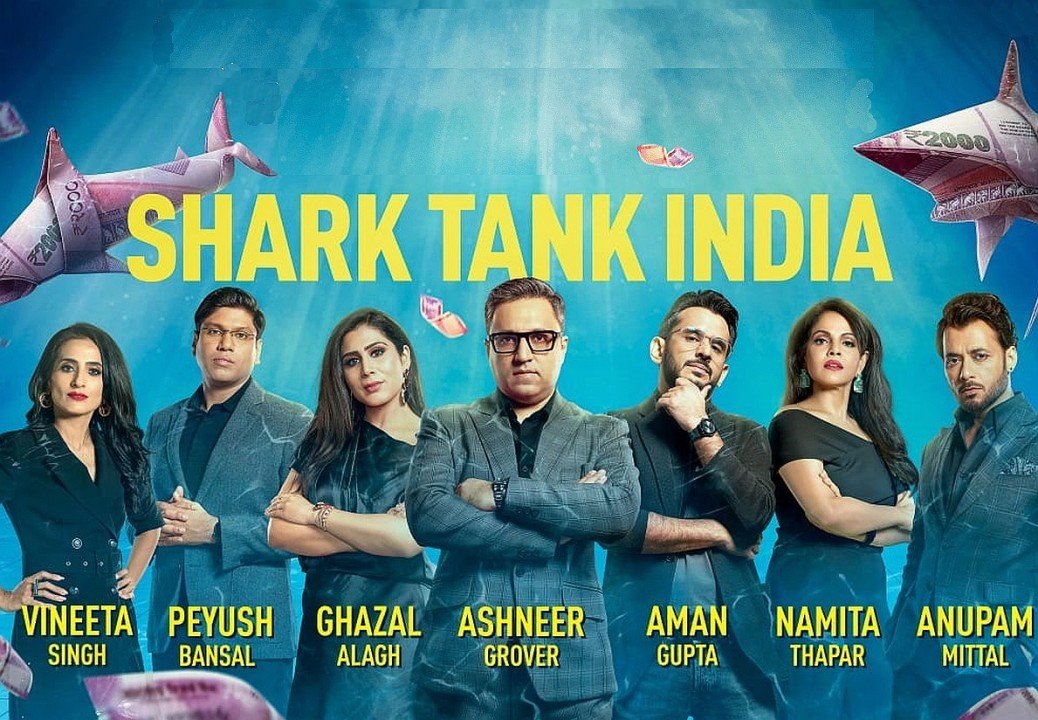
Business shows and startup events are becoming important platforms for entrepreneurship in India. From Shark Tank India to emerging startup festivals, these formats are bringing founders, investors and audiences together while making business ideas, funding challenges and entrepreneurial decision-making more visible to a wider population.
Business shows bring entrepreneurship to mainstream audiences
Business shows have changed how entrepreneurship is presented to Indian audiences. Shark Tank India, which premiered in 2021, introduced a television format where entrepreneurs pitch their businesses to a panel of investors and negotiate potential investments.
The format quickly became part of mainstream popular culture. Beyond entertainment, it exposed viewers to concepts such as valuation, equity, revenue, margins, customer acquisition and business models.
That visibility matters because many aspiring entrepreneurs may not have direct access to startup networks in Bengaluru, Mumbai, Delhi or other established business hubs.
A business show can provide an informal introduction to how investors evaluate companies. It does not replace professional advice or real investor due diligence, but it can make business terminology more familiar to first-time founders and viewers.
Shark Tank India helped popularise startup conversations
Shark Tank India’s biggest contribution has arguably been bringing startup discussions into living rooms across the country.
Founders on the show come from different sectors, including food, consumer products, technology, manufacturing, education and services. The diversity of businesses makes entrepreneurship appear less concentrated in software or metropolitan startup ecosystems.
The show has also highlighted founders from smaller cities and regional markets. That is important for India’s broader startup story because entrepreneurship is increasingly developing outside traditional startup centres.
For viewers in Tier-2 and Tier-3 cities, seeing founders build businesses from their own regions can make entrepreneurship appear more accessible.
However, television necessarily compresses complex business decisions into short pitches. A founder’s appearance or a televised deal should therefore not be treated as proof of business success or an indication that investment has necessarily been completed on the terms discussed on screen.
Startup festivals take the conversation beyond television
Startup festivals operate differently from television business shows.
Instead of presenting entrepreneurship primarily as a pitch competition, startup events can create physical spaces where founders, investors, mentors, students and business professionals interact.
Events such as startup festivals, entrepreneurship conferences and business summits often include panel discussions, founder sessions, networking opportunities, workshops and pitch competitions.
This creates a more direct ecosystem connection.
For an early-stage founder, meeting another entrepreneur who has already dealt with manufacturing, distribution or fundraising challenges may be more useful than simply watching a pitch. Investors can also use such events to discover businesses outside their existing networks.
As India’s startup ecosystem expands geographically, these events can help connect emerging founders with the larger business community.
Why Tier-2 and Tier-3 cities matter
India’s startup story is increasingly moving beyond a handful of major cities.
Founders in smaller cities often operate businesses connected to regional manufacturing, food, retail, agriculture, services and consumer markets. They may also have access to local talent and lower operating costs, although they can face challenges related to funding, mentorship, specialised hiring and market access.
Startup festivals can help reduce some of these information gaps by bringing ecosystem participants closer to emerging entrepreneurial communities.
The value is particularly visible when events include local founders rather than focusing exclusively on established venture-backed startups.
A founder from a smaller city may not immediately secure funding at an event, but gaining feedback, finding a mentor, meeting a potential customer or learning about regulatory requirements can still create meaningful business value.
Business entertainment can influence entrepreneurial culture
The rise of business shows also reflects a wider change in how entrepreneurship is viewed in India.
Earlier, business stories were often presented through corporate news, financial newspapers or specialised publications. Television and digital platforms have broadened the audience.
The entertainment format makes concepts such as startup funding and valuation easier to discuss among younger viewers.
It has also contributed to a culture where founders and startup stories receive attention beyond traditional business circles.
But there is a potential downside. Entertainment formats can sometimes make entrepreneurship appear faster, easier or more glamorous than it actually is. Building a sustainable company generally involves years of product development, customer acquisition, hiring, cash-flow management and operational problem-solving.
The strongest value of business shows therefore comes when entertainment encourages curiosity rather than creating unrealistic expectations.
Investors benefit from wider founder visibility
Business shows and startup events can also serve investors by widening their access to founders.
Traditional venture capital networks often depend on referrals, accelerators, professional networks and existing relationships. Public pitching formats create another route for entrepreneurs to present their businesses.
That does not mean every publicly presented company is investment-ready.
Investors still need to examine financial statements, market size, customer retention, unit economics, intellectual property, legal structures and other aspects before committing capital.
However, increased visibility can help founders enter conversations they might otherwise struggle to access.
Startup events can offer a similar benefit without the television format. Pitch sessions, investor meetings and networking programmes can introduce early-stage companies to angel investors, venture capital firms and strategic partners.
The rise of startup events reflects a larger ecosystem
India’s startup ecosystem now includes incubators, accelerators, angel networks, venture capital firms, government programmes, corporate innovation initiatives and university entrepreneurship cells.
Startup festivals sit within this broader network.
Their importance is not necessarily measured only by the number of funding deals announced. The more useful indicators can include the quality of connections created, mentorship opportunities, partnerships, customer leads and knowledge exchanged between participants.
This is particularly relevant for businesses that do not fit the conventional high-growth technology startup model.
A regional food manufacturer, logistics company, healthcare service or consumer brand may benefit from business networks even when its growth model differs from a typical venture-backed technology company.
What business shows cannot replace
Despite their influence, business shows and startup festivals have clear limitations.
A televised pitch is not the same as an investment committee meeting. A startup event is not a substitute for a detailed business plan. And an investor’s interest does not automatically translate into funding.
Founders should treat these platforms as opportunities for exposure, feedback and networking rather than guaranteed routes to capital.
For audiences, the same principle applies. Viewers can learn from the discussions around valuation, pricing, customer acquisition and business strategy, but individual deals should be viewed within their specific business context.
The real lesson is often the process of questioning a business, not the dramatic moment when an investor makes an offer.
Why these platforms could remain relevant
Business shows and startup festivals are likely to remain relevant because they serve different parts of the entrepreneurial ecosystem.
Television and digital shows make entrepreneurship visible to mass audiences. Startup festivals create direct connections between ecosystem participants. Together, they can help reduce the distance between founders, investors and aspiring entrepreneurs.
Their long-term value will depend on whether they continue to represent the diversity of India’s businesses and address practical challenges faced by founders.
For India’s smaller cities, that means giving greater visibility to regional entrepreneurs, local innovation and businesses serving non-metro consumers.
The strongest business platforms will not simply celebrate fundraising. They will help audiences understand how companies are built, how investors evaluate risk and why sustainable growth takes time.
Key Takeaways
- Business shows have helped make startup concepts such as valuation, equity and fundraising more familiar to mainstream Indian audiences.
- Startup festivals offer founders opportunities for networking, mentorship, customer discovery and investor interaction.
- Tier-2 and Tier-3 entrepreneurs can benefit from greater exposure to India’s wider startup ecosystem.
- Television deals and event pitches should not be treated as substitutes for formal investment due diligence.
FAQ
Why is Shark Tank India important for entrepreneurship?
Shark Tank India has helped bring startup pitches, business models, valuation and investment discussions into mainstream entertainment. It has also exposed audiences to founders from different industries and regions.
Do startup festivals provide funding to entrepreneurs?
Some startup festivals include pitch competitions or investor meetings, but participation does not guarantee funding. Investors generally conduct independent due diligence before making an investment decision.
How can Tier-2 city startups benefit from business shows and events?
They can gain visibility, meet potential investors and customers, find mentors and connect with founders outside their immediate region. These networks can be particularly valuable where local access to startup resources is limited.
Are business shows an accurate representation of entrepreneurship?
They provide useful exposure to business concepts but are entertainment formats. Real entrepreneurship involves considerably more work around operations, finances, customers, compliance, hiring and long-term strategy than can be shown in a short pitch.
(Internal keywords: Shark Tank India, startup festivals India, business shows India, Indian startup ecosystem, startup funding India, venture capital India, Tier-2 startup ecosystem, Tier-3 entrepreneurs India, startup events India, entrepreneurship shows)









Leave a comment