

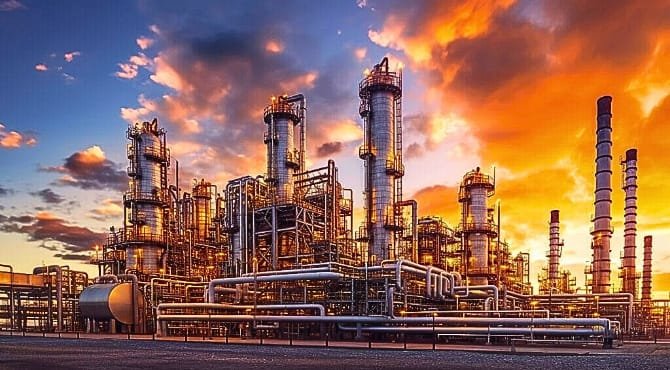
Manufacturing shift to India is gaining pace as global energy firms increasingly explore local production to reduce costs and diversify supply chains. This trend reflects India’s growing role as a strategic hub for clean energy equipment, industrial components, and technology manufacturing.
Why Global Energy Firms Are Moving Production to India
The manufacturing shift to India is closely linked to global supply chain realignments. Over the past few years, energy companies have faced disruptions due to geopolitical tensions, rising logistics costs, and overdependence on single-country manufacturing bases.
India offers a viable alternative. With a large workforce, improving infrastructure, and policy incentives, the country is becoming attractive for companies involved in solar equipment, battery storage, and power electronics. Firms are not just setting up assembly units but also investing in full-scale manufacturing operations.
Another key factor is demand. India is one of the fastest-growing energy markets, especially in renewables. By manufacturing locally, companies can cater to domestic demand while also using India as an export base.
Policy Push and Incentives Supporting Energy Manufacturing
India’s policy framework is playing a major role in attracting global energy firms. Government initiatives such as Production Linked Incentives and renewable energy targets have created a favorable environment for investment.
The country has set ambitious goals for solar and wind energy capacity, which requires large-scale manufacturing of panels, inverters, and related components. To support this, policies are designed to encourage domestic production and reduce reliance on imports.
In addition, state governments are offering land, tax benefits, and infrastructure support to attract manufacturing projects. These incentives are particularly appealing for global firms looking to establish long-term operations.
Growth of Renewable Energy Equipment Manufacturing
Renewable energy manufacturing in India is emerging as a key segment within this shift. Solar module production, battery manufacturing, and grid technology are areas seeing increased investment.
Companies are focusing on building integrated supply chains within India. This includes sourcing raw materials, setting up component manufacturing, and developing local vendor networks. Such integration helps reduce costs and improve efficiency.
The expansion of renewable energy projects across the country further strengthens this trend. As installations grow, the need for locally manufactured equipment becomes more critical, encouraging firms to scale production capacity.
Impact on Tier-2 Industrial Hubs
One of the most significant outcomes of the manufacturing shift to India is the rise of Tier-2 industrial hubs. Cities beyond traditional metro clusters are attracting investments due to lower costs and availability of land.
Locations in states like Gujarat, Tamil Nadu, Maharashtra, and Andhra Pradesh are seeing increased activity. Industrial corridors and special economic zones are being developed to support manufacturing expansion.
For Tier-2 cities, this translates into job creation, infrastructure development, and growth of ancillary industries. Local businesses benefit from supply chain opportunities, while workers gain access to new employment options.
This decentralization of manufacturing is helping balance regional economic development and reduce pressure on major urban centers.
Challenges in Scaling Local Production
Despite strong momentum, global energy firms face challenges in scaling manufacturing in India. Infrastructure gaps in certain regions can impact logistics and supply chain efficiency.
Access to skilled labor is another concern. While India has a large workforce, specialized skills required for advanced energy manufacturing are still developing. Companies often need to invest in training programs to bridge this gap.
Regulatory complexities and approval processes can also slow down project timelines. Although reforms are ongoing, navigating multiple layers of compliance remains a challenge for some investors.
Additionally, competition from established manufacturing hubs in other countries continues to influence investment decisions.
Strategic Importance for India’s Energy Future
The manufacturing shift to India is not just an economic development story. It has strategic implications for the country’s energy security and sustainability goals.
Local production reduces dependence on imports, especially in critical sectors like solar equipment and battery storage. This strengthens India’s ability to meet its renewable energy targets.
It also positions India as a global manufacturing hub for energy technologies. As demand for clean energy solutions rises worldwide, India can play a larger role in exports.
For businesses, this shift highlights the importance of aligning with global trends while leveraging domestic opportunities. Companies that invest early in local manufacturing are likely to gain a competitive advantage.
Key Takeaways
• Global energy firms are increasing investments in manufacturing facilities in India
• Policy incentives and renewable energy demand are driving local production
• Tier-2 industrial hubs are emerging as key investment destinations
• Challenges include infrastructure gaps and skill shortages
FAQs
Why are global energy firms shifting manufacturing to India?
They are looking to diversify supply chains, reduce costs, and tap into India’s growing energy market.
Which sectors are seeing the most investment?
Renewable energy equipment such as solar panels, batteries, and power electronics are key focus areas.
How does this impact Tier-2 cities?
It creates jobs, boosts local economies, and encourages development of industrial infrastructure.
What challenges do companies face in India?
Infrastructure limitations, skill gaps, and regulatory processes can impact project execution.










Leave a comment