

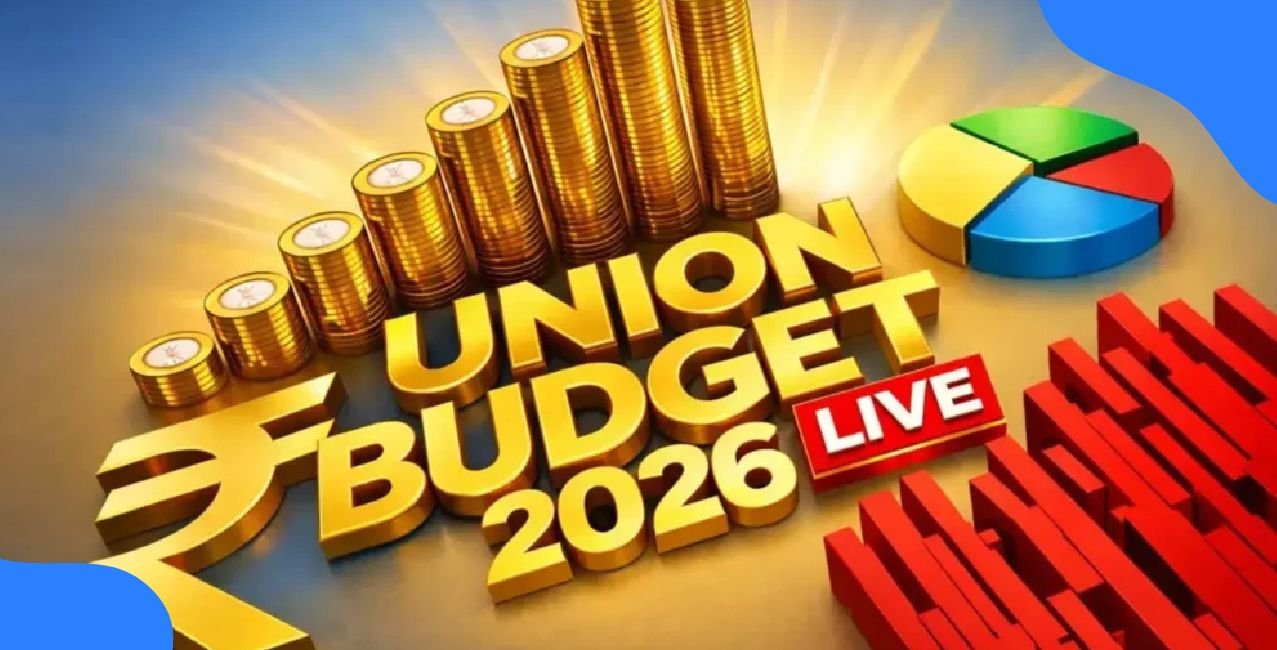
The impact of India’s 2026 Budget on digital marketing and the creative economy is emerging as a key discussion point across agencies, startups, and content platforms. Budget allocations toward digital infrastructure, skilling, and media innovation are expected to reshape the expanding orange economy.
The impact of India’s 2026 Budget on digital marketing is closely tied to how the government positions technology, entrepreneurship, and media in its broader economic strategy. As advertising spends shift toward online channels and creator led commerce scales rapidly, policy signals around taxation, digital infrastructure, and startup incentives directly affect agencies, platforms, and independent creators.
Digital Infrastructure and Advertising Growth
Digital marketing growth in India depends heavily on internet penetration, affordable data, and digital payment adoption. Continued public investment in broadband expansion, 5G rollout support, and rural connectivity strengthens the foundation for online advertising markets.
When digital access expands in Tier 2 and Tier 3 cities, brands follow audiences. This increases regional ad spends across social media platforms, search engines, OTT services, and local content apps. Budget allocations that support digital public infrastructure indirectly raise inventory for digital advertisers.
Support for data centres and cloud infrastructure also plays a role. As more businesses shift to online commerce and digital campaigns, demand for hosting, analytics, and automation tools rises. Incentives for technology infrastructure development can reduce operational costs for marketing technology firms.
Taxation Signals for Startups and Creative Enterprises
Tax clarity remains crucial for digital first companies. The 2026 Budget’s stance on startup taxation, angel tax rationalisation, and corporate tax stability affects early stage marketing agencies and creative tech platforms.
Many digital marketing firms operate as small private limited companies or LLPs. Predictable tax policy helps them allocate budgets toward hiring, technology upgrades, and expansion. Any simplification of compliance requirements reduces overhead for smaller agencies in non metro cities.
For content creators and influencer led businesses, income classification clarity is equally important. As the creator economy matures, transparent tax guidelines encourage formalisation and long term scaling rather than informal monetisation.
Skilling and Talent Development in the Orange Economy
The creative economy depends on skilled professionals across content production, performance marketing, graphic design, video editing, and data analytics. Budget allocations for skilling programs can directly influence talent supply.
Expanded funding for digital skill centres, vocational training, and online certification programs increases employability in smaller cities. This is particularly relevant for youth entering the workforce without relocating to metro hubs.
Government supported partnerships between educational institutions and industry can also bridge the skill gap. If Budget 2026 enhances incentives for industry collaboration, agencies gain access to trained entry level talent, reducing recruitment and training costs.
Support for Media, Animation, and AVGC Sector
The audio visual, gaming, and animation segment, often grouped under AVGC, is a growing part of India’s creative economy. Budget measures that provide production incentives, infrastructure grants, or export promotion can strengthen this sector.
Animation studios, gaming startups, and post production houses often rely on project based revenue. Structured policy support improves global competitiveness. India already has a large pool of creative talent; targeted funding and policy continuity can convert this into higher export earnings.
For digital marketing agencies, growth in OTT content and gaming ecosystems expands advertising avenues. Branded integrations, in app advertising, and influencer collaborations become more sophisticated as the broader creative ecosystem matures.
MSME Support and Regional Agency Expansion
Many digital marketing firms qualify as MSMEs. Budget allocations toward MSME credit schemes and collateral free loans support expansion plans for regional agencies. Access to affordable working capital allows agencies to invest in technology tools such as automation platforms, analytics dashboards, and AI driven campaign optimisation.
Tier 2 cities are witnessing a rise in homegrown agencies serving local brands. Government backed cluster development programs and co working infrastructure can accelerate this trend. As regional brands allocate more budget to digital campaigns, local agencies capture a larger share of the value chain.
Export promotion incentives for services also matter. Indian digital marketing firms increasingly serve global clients remotely. Stable policy and streamlined compliance enhance competitiveness in cross border service exports.
Long Term Outlook for the Digital Marketing Industry
The long term impact of India’s 2026 Budget on digital marketing will depend on execution and continuity. Stable taxation, infrastructure investment, and skill development collectively determine whether the sector can sustain double digit growth.
India’s advertising market has steadily increased its digital share over the past decade. As consumer attention shifts online, the creative economy becomes more central to economic growth. Budget signals that recognise media and digital services as strategic sectors can accelerate formalisation and innovation.
The orange economy thrives on creativity, technology, and distribution. Policy alignment across these three pillars strengthens the ecosystem from independent creators to established agencies.
Takeaways
Digital infrastructure investment expands advertising opportunities in smaller cities
Tax clarity supports startup and creator economy formalisation
Skill development funding strengthens the talent pipeline for agencies
MSME credit access enables regional digital marketing firms to scale
FAQs
Q1. How does the 2026 Budget affect digital marketing agencies?
Through taxation policy, MSME credit support, and digital infrastructure investment that shapes advertising demand and operational costs.
Q2. What is the orange economy?
It refers to industries driven by creativity, including media, advertising, design, gaming, film, and digital content production.
Q3. Why are Tier 2 cities important for digital marketing growth?
Rising internet penetration and consumer spending in these regions create new advertising markets for brands and agencies.
Q4. Can government skilling programs benefit creative professionals?
Yes. Structured training in digital tools and content production improves employability and strengthens the overall ecosystem.









Leave a comment