

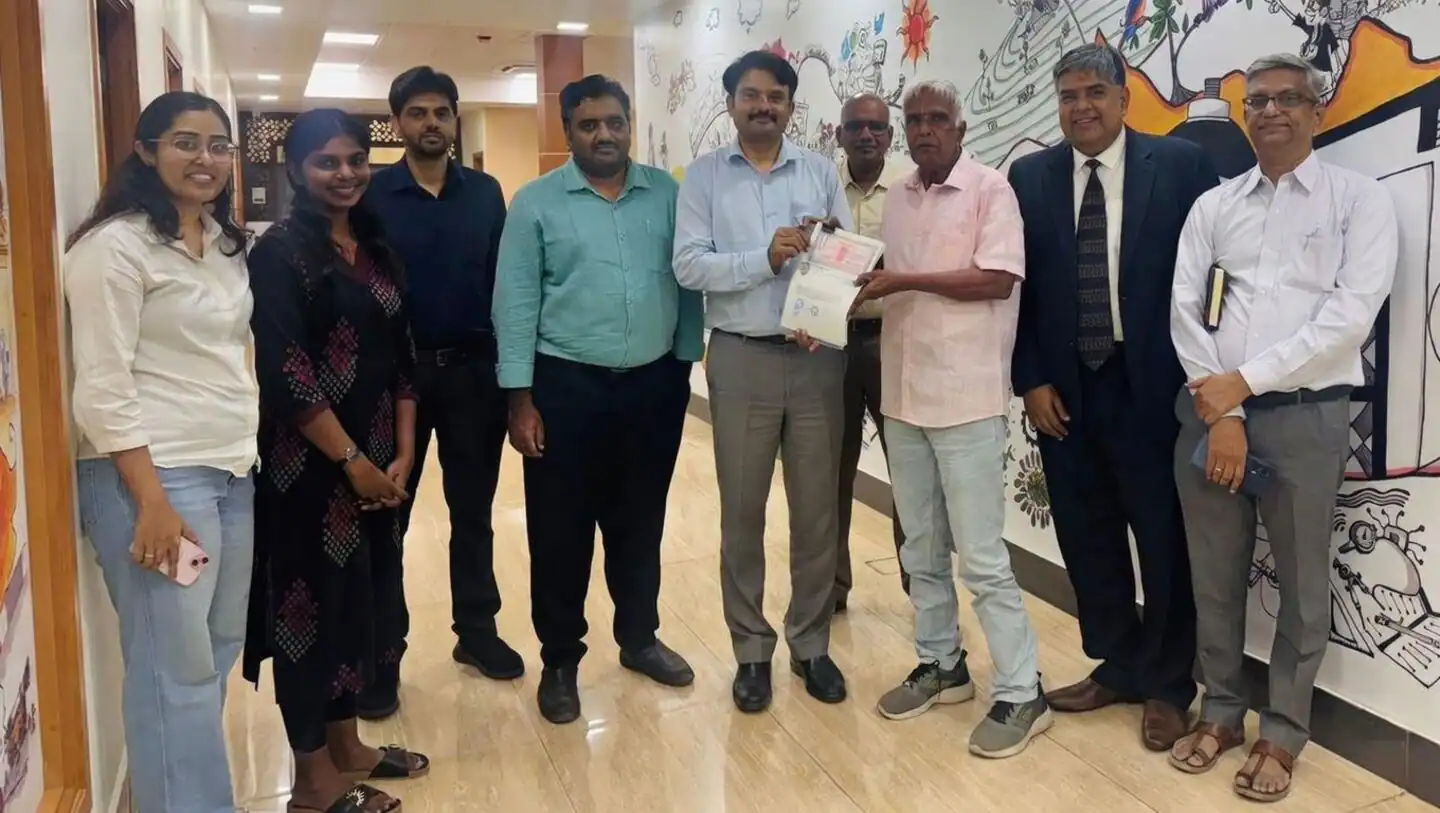
Chennai based semiconductor startup Aheesa has secured ₹20 crore in funding to develop indigenous networking chips in India. The investment reflects growing interest in domestic semiconductor innovation as the country pushes for stronger local electronics manufacturing capabilities.
The Aheesa semiconductor startup funding highlights India’s expanding focus on building a domestic chip design ecosystem. The Chennai based company plans to use the capital to develop networking processors and semiconductor technologies that can support India’s telecom, data infrastructure, and electronics sectors.
Aheesa Secures ₹20 Crore for Semiconductor Development
The Chennai semiconductor startup Aheesa funding announcement marks a notable step for India’s deep tech ecosystem. The startup has raised ₹20 crore from the Tamil Nadu Infrastructure Fund Management Corporation through its technology focused investment initiatives.
The funding aims to support the development of indigenous networking chips designed for telecom infrastructure, data centers, and high speed networking equipment. Semiconductor technology is critical for modern digital infrastructure, powering everything from mobile networks to cloud computing systems.
India currently imports a large share of its semiconductor requirements, which makes domestic chip development an important strategic priority. Startups like Aheesa are working to reduce this dependence by designing processors and specialized chips within the country.
Industry experts note that early stage funding for semiconductor startups remains relatively rare because chip design requires significant technical expertise and long development cycles. As a result, this investment reflects growing institutional support for advanced technology ventures.
The Importance of Indigenous Semiconductor Development in India
The indigenous semiconductor development in India has gained urgency as global supply chain disruptions exposed vulnerabilities in the electronics sector. Semiconductor shortages in recent years affected industries ranging from automobile manufacturing to consumer electronics.
To address this challenge, the Indian government launched multiple initiatives to encourage domestic chip design and manufacturing. These programs include financial incentives for semiconductor fabrication plants, design linked incentives for chip designers, and support for research and development.
Developing indigenous chips can strengthen India’s technological independence and reduce reliance on imports from global semiconductor hubs. It also creates opportunities for high skill employment in areas such as chip architecture, electronic design automation, and advanced testing.
Startups like Aheesa play a crucial role in this ecosystem by focusing on specialized chip designs that support specific industries such as telecom networks and data infrastructure.
Tamil Nadu’s Role in Supporting Deep Tech Startups
Tamil Nadu has been actively promoting the semiconductor startup ecosystem in Chennai and other technology hubs within the state. The government has introduced policies aimed at supporting electronics manufacturing, semiconductor research, and hardware startups.
The Tamil Nadu Infrastructure Fund Management Corporation has launched dedicated funds to invest in emerging technology companies. These funds target sectors such as semiconductors, artificial intelligence, and advanced electronics.
Chennai already hosts a strong base of electronics manufacturing companies, research institutions, and engineering talent. Several multinational technology firms operate design centers in the city, which provides a skilled workforce for deep tech startups.
State initiatives are designed to strengthen this ecosystem by supporting early stage companies that can develop new technologies and intellectual property within India.
Challenges Facing Semiconductor Startups in India
Despite growing policy support, challenges for semiconductor startups in India remain significant. Chip design and development require highly specialized engineering expertise and significant financial investment.
Unlike software startups, semiconductor companies often require years of research and testing before commercial products reach the market. Access to fabrication facilities, testing infrastructure, and global supply chains can also be complex.
Another challenge is competition from established global semiconductor companies that dominate the industry. These companies have decades of experience and extensive research budgets.
However, many startups focus on niche technologies or specialized chip architectures where smaller teams can innovate more quickly. By focusing on networking chips and telecom infrastructure, Aheesa may target a segment where domestic demand is expected to grow.
What This Funding Means for India’s Semiconductor Ecosystem
The Aheesa networking chip development funding signals increasing momentum in India’s semiconductor ecosystem. Investments in chip design startups are important for building a complete technology value chain that includes research, design, manufacturing, and packaging.
India has already become a global hub for semiconductor design services, with thousands of engineers working on chip design for international companies. The next phase involves building domestic intellectual property and proprietary semiconductor technologies.
If successful, startups like Aheesa could contribute to India’s broader semiconductor strategy by developing specialized chips tailored to local industry requirements.
In the long term, such initiatives may help strengthen India’s position in the global electronics supply chain while supporting innovation in high technology sectors.
Takeaways
Chennai based semiconductor startup Aheesa has raised ₹20 crore to develop indigenous networking chips.
The funding reflects growing support for domestic semiconductor design in India’s deep tech ecosystem.
Tamil Nadu is actively promoting semiconductor innovation through dedicated investment funds and technology policies.
Semiconductor startups face challenges such as long development cycles, high costs, and global competition.
FAQs
What does Aheesa do as a semiconductor startup?
Aheesa focuses on designing networking chips that can be used in telecom infrastructure, data centers, and high speed communication systems.
Who invested in Aheesa’s ₹20 crore funding round?
The funding was provided by Tamil Nadu Infrastructure Fund Management Corporation through its technology focused investment initiatives.
Why is semiconductor development important for India?
Domestic chip development helps reduce reliance on imports, strengthens technological independence, and supports the growth of advanced electronics industries.
Are semiconductor startups common in India?
They are less common than software startups because chip design requires high capital investment and specialized technical expertise.











Leave a comment