

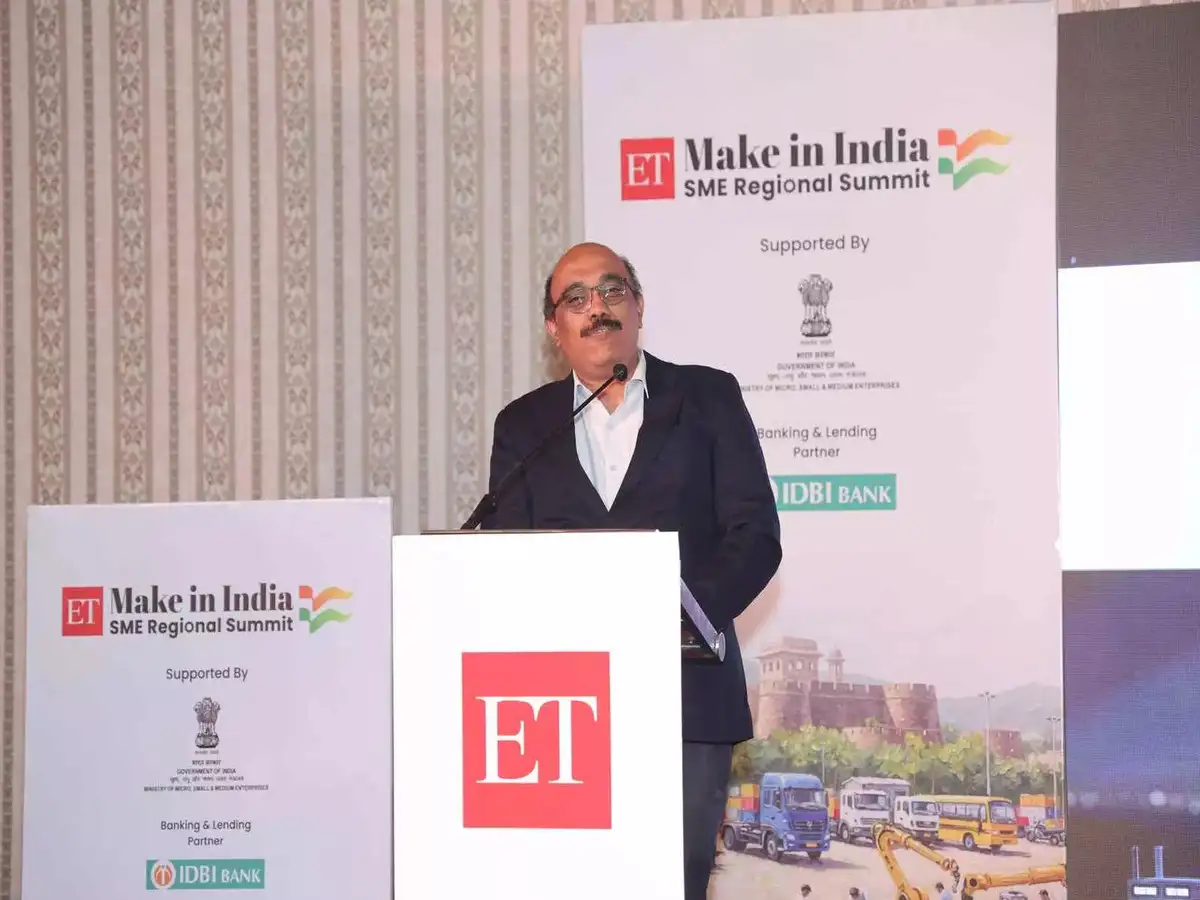
The ET Make-In-India SME Summit in Visakhapatnam highlighted how regional industrial clusters are driving India’s manufacturing growth. The event focused on MSME expansion, policy support, and infrastructure-led development, positioning Visakhapatnam as a rising hub for industrial and export-oriented activity.
Nature of the topic and editorial approach
This is time sensitive business news tied to a recent industry event. The tone below follows a reporting style, combining on-ground signals with broader manufacturing and MSME context.
ET Make-In-India SME Summit puts regional growth in focus
The ET Make-In-India SME Summit in Visakhapatnam brought attention to a shift underway in India’s manufacturing landscape. Growth is no longer concentrated only in traditional industrial belts. Instead, coastal and Tier-2 cities are emerging as engines of MSME-led expansion. The summit served as a platform to discuss how policy alignment, port-led infrastructure, and skilled manpower are enabling this transition.
Speakers highlighted that regional industrial growth is becoming critical for achieving national manufacturing targets. Visakhapatnam’s location, combined with improving logistics and industrial corridors, makes it a natural beneficiary of this decentralisation trend.
Why Visakhapatnam is gaining industrial importance
Visakhapatnam’s industrial relevance is anchored in its port ecosystem, proximity to raw materials, and expanding industrial parks. The city has historically been associated with heavy industries, but recent years have seen a push toward diversified manufacturing, including engineering goods, food processing, and electronics assembly.
The summit underlined how connectivity improvements, including port modernisation and road infrastructure, are reducing logistics costs for MSMEs. Lower freight time directly impacts competitiveness, especially for export-oriented units. This advantage is drawing interest from entrepreneurs looking beyond saturated metro regions.
MSMEs as the backbone of regional manufacturing
A central theme at the ET Make-In-India SME Summit was the role of MSMEs in driving regional industrial growth. Small and medium enterprises contribute significantly to employment generation and supply chain resilience. In cities like Visakhapatnam, MSMEs also act as feeders to larger industrial units and export markets.
Discussions pointed to increasing formalisation among MSMEs through digital compliance, GST integration, and access to institutional credit. This shift is improving transparency and making regional enterprises more investable. Participants stressed that consistent policy support is essential to sustain this momentum.
Policy support and infrastructure as growth enablers
Government initiatives aimed at boosting domestic manufacturing featured prominently at the summit. Policies aligned with Make-In-India and production-linked incentives were cited as confidence builders for entrepreneurs. While large incentives often attract headline attention, speakers noted that ease of doing business reforms have a deeper impact on MSMEs.
Industrial land availability, faster approvals, and power reliability were highlighted as decisive factors. Visakhapatnam’s planned industrial zones and access to skilled technical talent strengthen its case as a manufacturing destination. The summit reinforced that infrastructure readiness often determines whether policy intent translates into real investment.
Export potential and coastal advantage
The coastal advantage of Visakhapatnam was repeatedly emphasised during discussions on export-led growth. MSMEs located near ports benefit from shorter supply chains and reduced handling costs. This is particularly relevant for sectors such as marine products, processed foods, chemicals, and engineering exports.
The summit highlighted how export-oriented MSMEs can scale faster when logistics bottlenecks are minimised. With global buyers increasingly diversifying sourcing bases, regional hubs like Visakhapatnam are well positioned to capture incremental demand.
Challenges that still need addressing
Despite positive momentum, speakers acknowledged challenges facing regional MSMEs. Access to growth capital remains uneven, particularly for enterprises transitioning from small to mid-sized operations. Skill gaps in advanced manufacturing and limited exposure to global markets were also flagged.
Another concern is the need for better industry academia collaboration. While talent availability is improving, aligning curricula with evolving industrial needs is critical. Addressing these gaps will determine whether regional growth remains sustainable or plateaus after initial gains.
What the summit signals for India’s industrial future
The ET Make-In-India SME Summit signals a broader shift in India’s industrial narrative. Regional cities are no longer peripheral to manufacturing growth. They are becoming central to supply chain diversification and employment creation.
For policymakers, the takeaway is clear. Supporting regional ecosystems delivers faster and more inclusive growth. For entrepreneurs, the message is that competitive manufacturing is increasingly viable outside traditional hubs. Visakhapatnam’s rise reflects a model that other Tier-2 industrial centres may follow.
Takeaways
The ET Make-In-India SME Summit highlighted Visakhapatnam’s growing industrial relevance
MSMEs are central to regional manufacturing and export growth
Infrastructure and ease of doing business drive investment beyond metros
Coastal cities offer cost advantages for export-oriented enterprises
FAQs
What was the focus of the ET Make-In-India SME Summit?
The summit focused on MSME growth, regional industrial development, and the role of infrastructure and policy in strengthening manufacturing ecosystems.
Why is Visakhapatnam important for industrial growth?
Its port access, improving infrastructure, and expanding industrial zones make it attractive for manufacturing and exports.
How do MSMEs benefit from regional industrial hubs?
They gain lower operating costs, better logistics access, and closer integration with supply chains and export markets.
Can regional industrial growth reduce pressure on metros?
Yes, decentralised manufacturing creates jobs locally and reduces overdependence on major cities.










Leave a comment