

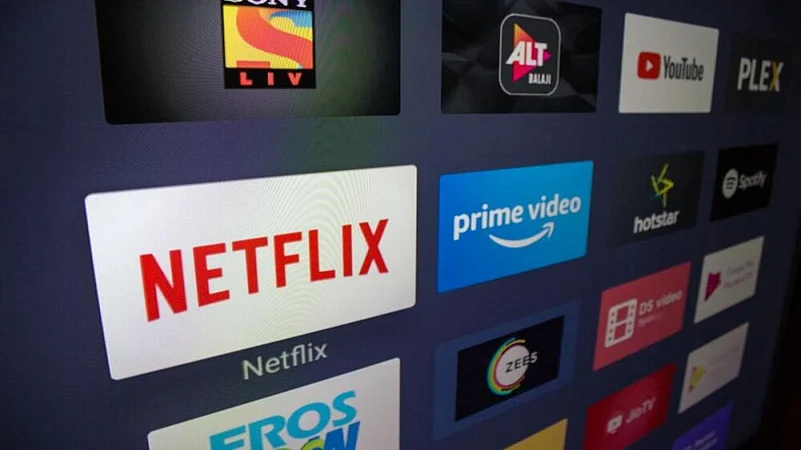
The rise of OTT platforms in India has revolutionized how content is consumed, with streaming services such as Netflix, Amazon Prime, and Disney+ Hotstar making significant inroads into Tier-2 and Tier-3 cities. This shift is not just changing viewing habits but also altering traditional film distribution strategies. As OTT platforms gain popularity, the way films are distributed across India—especially in smaller towns—is evolving, offering both opportunities and challenges for filmmakers and distributors.
The Growth of OTT Platforms in India’s Tier-2 Markets
OTT platforms have seen a surge in viewership in India, with more than half of India’s internet users now accessing content through streaming services. This trend is particularly pronounced in Tier-2 cities, where increasing internet penetration and smartphone usage have created a new audience for on-demand entertainment. In the past, these cities were largely dependent on cable television and the occasional theatrical release, but with the proliferation of affordable data and smartphones, streaming has become a viable option for many.
The convenience of watching movies and TV shows on OTT platforms, combined with a wide variety of content catering to diverse tastes and regional preferences, has made them increasingly popular. For Tier-2 markets, this has meant that audiences are no longer reliant solely on local cinemas, which often show limited content. OTT services are now offering not just international and Bollywood content, but also an increasing amount of regional cinema, making them a vital part of the entertainment ecosystem.
OTT Platforms and Their Impact on Traditional Theatrical Distribution
Traditionally, the film industry in India followed a well-established distribution model: films would be first released in cinemas, followed by television and, later, digital platforms. However, OTT platforms are now influencing how and when films are released to audiences. The convenience of streaming, combined with the affordability of subscriptions, is compelling filmmakers to reconsider their release strategies.
In many cases, OTT platforms are now bypassing the traditional theatre-first model, releasing films directly on their platforms. This strategy has been particularly effective for smaller films, regional cinema, and experimental content that may not have the wide appeal required for a theatrical release. For filmmakers and production houses, this presents an opportunity to reach audiences in Tier-2 cities and even rural areas without the costs and complexities associated with a theatrical release.
Moreover, OTT platforms are beginning to acquire the rights to films before their theatrical release, creating a parallel distribution system. This not only provides them with exclusive content but also reshapes the timeline of film releases, allowing viewers to access content in a more flexible manner.
Regional Content: The OTT Advantage in Tier-2 Markets
One of the significant advantages OTT platforms offer in Tier-2 markets is the wide array of regional content. While Hindi and English films dominate traditional theatres, OTT platforms have been quick to recognize the demand for regional language content, catering to audiences in languages like Tamil, Telugu, Bengali, Marathi, and more. This regional content has found a ready audience in smaller cities, where people are eager to watch films in their local languages.
In Tier-2 cities, where people have distinct cultural identities, the availability of local content on streaming platforms is proving to be a game-changer. It offers viewers a variety of options that were previously unavailable in cinemas, where screening times and availability of regional films were limited. OTT platforms, by offering on-demand regional films, allow Tier-2 audiences to consume content that resonates with their cultural preferences, leading to an increased user base in these markets.
The Hybrid Model: OTT Platforms and Cinemas Collaborating
While OTT platforms are disrupting traditional distribution models, cinemas are not being left behind. The future of film distribution in India is likely to be a hybrid model, where OTT platforms and theatres collaborate rather than compete. OTT platforms are recognizing the importance of cinemas, especially for big-budget films and blockbuster releases. Meanwhile, theatres are seeing the value in partnering with OTT services to bring exclusive or pre-release content to moviegoers.
For example, certain films now see a hybrid release—simultaneously on OTT platforms and in theatres—allowing fans to choose their preferred mode of consumption. In Tier-2 markets, where OTT platforms have limited reach due to internet infrastructure constraints, theatres still play an essential role in getting content to viewers who prefer the traditional cinema experience. This hybrid model could also include exclusive film premieres or post-theatrical releases on OTT platforms, ensuring that both distribution channels can complement each other.
Takeaways
- OTT platforms are significantly influencing film distribution in Tier-2 markets by providing more accessible content and creating new opportunities for regional films to reach wider audiences.
- Streaming services are bypassing the traditional theatre-first model, allowing films, especially regional content, to be released directly to OTT platforms, creating more flexibility for filmmakers and distributors.
- Regional content on OTT platforms is gaining traction in smaller cities, as viewers in Tier-2 markets demand content in their local languages, leading to greater consumer satisfaction.
- The hybrid release model combining OTT platforms and cinemas is becoming the future of film distribution, benefiting both filmmakers and audiences in Tier-2 cities.
FAQs
Q: How have OTT platforms changed film distribution in Tier-2 cities?
A: OTT platforms have shifted from a traditional theatre-first model to a more flexible, on-demand approach, offering a wider variety of regional and national content directly to viewers in Tier-2 cities, reducing reliance on cinemas.
Q: Why is regional content thriving on OTT platforms?
A: Regional content resonates more with Tier-2 audiences due to linguistic and cultural preferences. OTT platforms provide a convenient way for people in smaller cities to access films in their local languages, meeting a previously underserved demand.
Q: Will cinemas continue to thrive in Tier-2 markets despite OTT growth?
A: Yes, cinemas will still play a vital role, especially for big-budget films and high-demand releases. The future will likely see a hybrid model, where OTT platforms and cinemas collaborate to ensure content reaches diverse audiences.
Q: How do OTT platforms and cinemas collaborate in India’s evolving film industry?
A: OTT platforms and cinemas are moving towards a hybrid release model, where films are shown in theatres and simultaneously made available on streaming platforms. This model benefits both sides by reaching wider audiences and offering more viewing options.












Leave a comment