

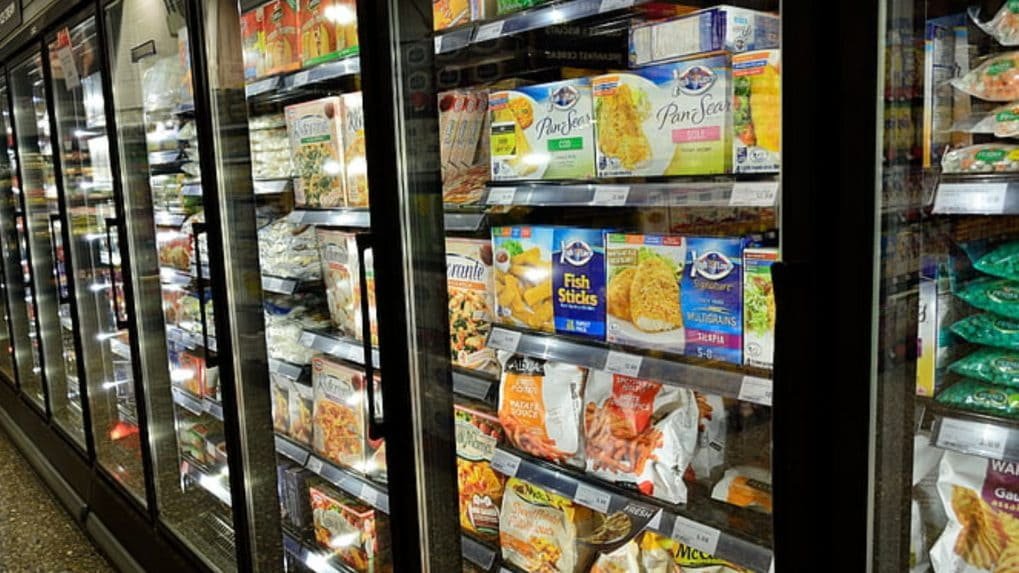
Frozen foods growth in India is accelerating as companies like ITC, Godrej and several regional players expand production capacity to meet rising urban and semi-urban demand. Improvements in cold chain infrastructure, changing consumption habits and retail expansion are reshaping the packaged food landscape.
India’s frozen foods market has moved beyond niche consumption and is now entering a structured growth phase. The expansion of organized retail, better cold storage penetration, and rising preference for convenience foods are driving steady demand across metros as well as Tier 2 and Tier 3 cities. Large FMCG players and local manufacturers are responding by scaling production, launching new SKUs and investing in logistics efficiency.
Large FMCG Players Double Down on Frozen Food Capacity
ITC and Godrej are strengthening their frozen food portfolios as part of broader packaged foods strategies. These companies are expanding processing facilities, improving sourcing networks, and focusing on products with consistent demand such as frozen snacks, vegetables, ready-to-cook meals, and bakery items. The objective is to build scale while maintaining quality and price competitiveness.
For ITC, frozen foods align with its farm-to-fork model, leveraging agricultural sourcing strength to ensure raw material consistency. Godrej, with its existing presence in food processing and storage, is focusing on operational efficiency and distribution reach. These players are also investing in product standardization to support longer shelf life without compromising taste or nutrition. Their scale allows them to absorb cold chain costs that smaller players often struggle with.
Cold Chain Infrastructure Unlocks Market Expansion
Cold chain development is a critical enabler of frozen foods growth. India has historically faced challenges related to fragmented storage, high wastage, and inconsistent temperature control. Over the last few years, public and private investments in cold storage, reefer transportation, and warehouse automation have begun to address these gaps.
State-level incentives, private logistics investments, and demand from retail and quick commerce platforms are improving cold chain coverage beyond major cities. This expansion allows frozen products to reach smaller towns with lower spoilage risk and predictable delivery timelines. As cold chain reliability improves, manufacturers gain confidence to expand product lines and invest in higher production volumes.
Local and Regional Players Find New Growth Opportunities
Alongside large FMCG companies, regional and local frozen food manufacturers are scaling operations to serve nearby markets. These players often focus on region-specific products such as local snacks, parathas, seafood, and meat-based items that appeal to familiar tastes. Proximity to markets helps them reduce transportation costs and respond quickly to demand fluctuations.
Many regional brands are upgrading processing units and adopting basic automation to improve output and hygiene standards. With better access to cold storage and local distribution networks, these companies are finding opportunities in institutional buyers such as hotels, restaurants, caterers, and cloud kitchens. This B2B demand provides volume stability and supports gradual expansion into retail channels.
Changing Consumer Behavior Drives Consistent Demand
Urbanization, rising working populations, and smaller family units are reshaping food consumption patterns. Consumers increasingly value convenience, portion control, and time savings. Frozen foods meet these needs while offering longer shelf life and predictable pricing. Products such as frozen vegetables, snacks, and ready-to-cook meals are becoming regular grocery purchases rather than occasional buys.
In Tier 2 and Tier 3 cities, adoption is being driven by modern trade stores, freezer availability, and exposure through quick service restaurants. As familiarity increases, price sensitivity declines, encouraging repeat purchases. Brands are responding by offering smaller pack sizes and affordable pricing to widen penetration among first-time buyers.
Long-Term Outlook for the Cold Chain Driven Food Sector
The frozen foods segment is expected to benefit from steady demand rather than short-term spikes. As cold chain infrastructure becomes more standardized and power reliability improves, distribution challenges will continue to ease. The entry of e-commerce grocery platforms and quick commerce players is also accelerating last-mile delivery for frozen products.
For manufacturers, the focus will shift toward margin optimization, product differentiation, and supply chain efficiency. Investments in energy-efficient storage, optimized routing, and data-driven demand forecasting will become increasingly important. Over the long term, frozen foods are likely to emerge as a core category within India’s packaged food market, supported by structural changes in consumption and logistics.
Takeaways
Frozen foods demand is rising across urban and semi-urban markets
Cold chain infrastructure is reducing spoilage and improving distribution reach
Large FMCG firms and regional players are scaling production in parallel
Consumer preference for convenience is driving repeat purchases
FAQs
Why is frozen foods consumption increasing in India?
Rising urbanization, busier lifestyles, better cold storage availability, and wider retail access are making frozen foods more convenient and acceptable for everyday consumption.
How important is cold chain infrastructure for this sector?
Cold chain infrastructure is essential as it ensures product quality, reduces wastage, and allows frozen foods to reach smaller towns without supply disruptions.
Are local players competitive against large FMCG brands?
Yes, regional players compete by offering local flavors, lower logistics costs, and strong relationships with nearby retailers and institutional buyers.
Will frozen foods remain a niche category?
Current trends suggest frozen foods are moving toward mainstream adoption, especially as infrastructure and consumer awareness continue to improve.









Leave a comment