

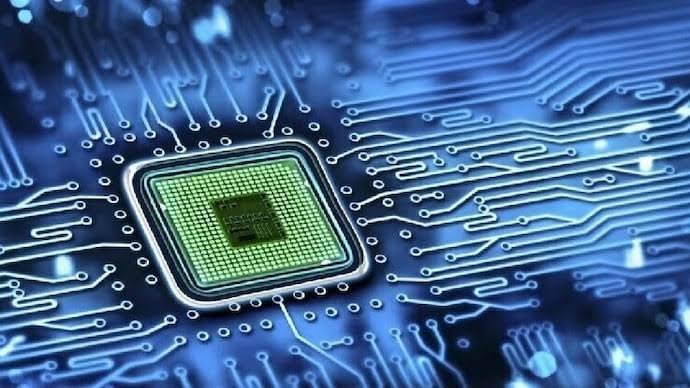
India’s Semiconductor Mission has entered a new phase with the launch of Semicon 2.0. The programme expands support beyond chip manufacturing to design, research, supply chains and talent development, creating fresh opportunities for businesses, startups, MSMEs and investors across the country.
India’s Semiconductor Mission has taken a significant step forward with the Union Cabinet approving Semicon 2.0, a long-term programme aimed at strengthening the country’s semiconductor ecosystem. Unlike the first phase, which primarily focused on attracting large manufacturing investments, Semicon 2.0 adopts a broader strategy that includes chip design, research and development, supply chain creation, advanced packaging, workforce development and startup support. With a budget outlay of Rs 1.27 lakh crore, the initiative reflects India’s ambition to become a reliable global semiconductor hub.
For Indian businesses, the announcement signals that opportunities are no longer limited to a handful of large chip manufacturers. Companies involved in electronics, chemicals, industrial equipment, software, logistics and engineering services could all become part of the expanding semiconductor value chain.
Semicon 2.0 builds on the foundation of India’s first chip mission
The first phase of India’s Semiconductor Mission helped lay the groundwork by approving multiple manufacturing projects and encouraging domestic chip design. According to the government, 12 semiconductor manufacturing projects have already been approved with cumulative investments exceeding Rs 1.64 lakh crore. Commercial production has begun at facilities operated by companies including Micron, Kaynes and CG Semi, while several other projects are progressing toward production. The programme also supported dozens of semiconductor design projects and provided Electronic Design Automation tools to more than 100 startups and MSMEs.
Semicon 2.0 is designed to build on this momentum rather than replace it. The government’s focus has shifted from creating isolated manufacturing units to developing an integrated ecosystem capable of competing globally.
Supply chain development creates opportunities for Indian MSMEs
One of the biggest changes under Semicon 2.0 is the emphasis on building India’s semiconductor supply chain. Manufacturing chips requires specialised gases, chemicals, silicon materials, precision machinery, testing equipment and packaging technologies. The new programme seeks to encourage companies operating in these areas through targeted incentives and ecosystem support.
This creates opportunities for MSMEs and industrial businesses located outside major technology hubs. Manufacturing clusters in states such as Gujarat, Karnataka, Tamil Nadu, Uttar Pradesh and Assam could benefit as suppliers establish local operations. Tier 2 and Tier 3 cities with engineering talent and industrial infrastructure may also attract new investments linked to semiconductor manufacturing.
Chip design, startups and venture capital receive greater attention
Semicon 2.0 places stronger emphasis on semiconductor design, an area where India already has a large engineering workforce. Instead of focusing only on fabrication plants, the programme encourages startups developing chips for artificial intelligence, Internet of Things devices, automotive electronics, telecom equipment, defence applications and industrial automation.
Another notable change is the government’s decision to adopt a more investment-oriented approach for semiconductor startups. Rather than relying solely on grants, the programme is expected to include milestone-based funding and government equity participation alongside venture capital investors. The objective is to improve startup sustainability while encouraging private investment into deep technology companies.
For venture capital firms, this reduces some of the early-stage risk associated with semiconductor businesses, which typically require significant capital and longer development timelines.
Why businesses across sectors should pay attention
Although semiconductor manufacturing is a specialised industry, its impact extends far beyond chip companies. Modern vehicles, smartphones, medical equipment, industrial automation systems, defence technologies and renewable energy solutions all depend on semiconductor components.
Businesses involved in electronics manufacturing, automotive production, telecom infrastructure, consumer appliances, healthcare devices and smart manufacturing could benefit from improved domestic chip availability over time. Reduced dependence on imports may also strengthen supply chain resilience, an issue that gained attention during the global semiconductor shortages in recent years.
The initiative also supports India’s broader manufacturing strategy by encouraging higher domestic value addition rather than depending heavily on imported electronic components.
Challenges remain despite growing momentum
Despite the ambitious roadmap, semiconductor manufacturing remains one of the world’s most capital-intensive industries. Establishing fabrication facilities requires advanced technology, reliable utilities, highly skilled engineers and long-term investment commitments.
India will continue to compete with established semiconductor ecosystems in countries such as Taiwan, South Korea, the United States and Japan. Industry experts also note that success will depend on timely project execution, policy consistency, talent development and private sector participation over several years.
Even so, Semicon 2.0 represents a strategic shift from isolated incentives to ecosystem development. If implemented effectively, it could strengthen India’s position in global electronics manufacturing while creating new business opportunities across multiple sectors.
Key Takeaways
- Semicon 2.0 expands India’s semiconductor strategy beyond manufacturing to include design, research, supply chains and talent development.
- The programme has a budget outlay of Rs 1.27 lakh crore and follows progress made under the first Semiconductor Mission.
- MSMEs, startups, venture capital firms and engineering companies could benefit from the wider ecosystem approach.
- Strong execution, skilled workforce development and private investment will be essential for long-term success.
FAQ
Q1. What is Semicon 2.0?
Semicon 2.0 is the second phase of India’s Semiconductor Mission, aimed at strengthening semiconductor design, manufacturing, research, supply chains, packaging and startup development.
Q2. How is Semicon 2.0 different from the earlier programme?
While the first phase mainly focused on attracting manufacturing projects, Semicon 2.0 expands support across the entire semiconductor ecosystem, including startups, design, materials, research and workforce development.
Q3. Which businesses can benefit from Semicon 2.0?
Electronics manufacturers, MSMEs, engineering firms, logistics providers, industrial suppliers, semiconductor startups, automotive companies and technology businesses could benefit from the initiative.
Q4. Why is semiconductor manufacturing important for India?
Semiconductors are essential for products ranging from smartphones and electric vehicles to defence systems and medical devices. Building domestic capabilities can improve supply chain resilience, reduce import dependence and support advanced manufacturing.












Leave a comment