

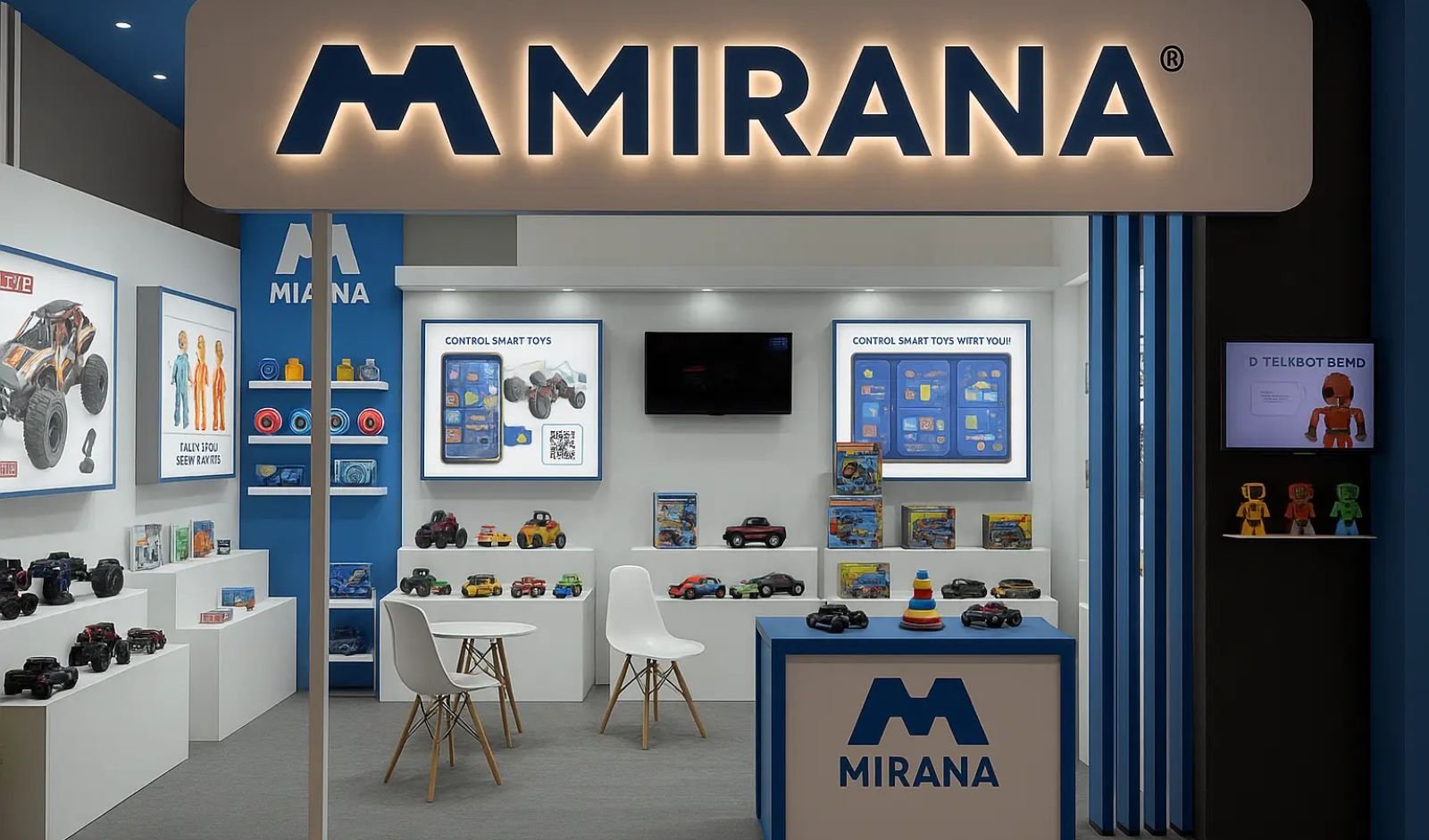
Mirana Toys scale up plan has renewed attention on India’s manufacturing tech ecosystem and the possibility of smaller towns emerging as new toy hubs. The topic is time sensitive because the company recently raised fresh capital and is preparing for a larger production footprint, which directly influences regional manufacturing clusters.
The Indian toy sector has gained momentum due to policy support, rising domestic demand and declining reliance on imports. As companies like Mirana Toys expand manufacturing capacity, the industry landscape is shifting toward affordable production destinations outside metro cities.
Why Mirana Toys’ Scale Up Matters For Indian Toy Manufacturing
Mirana Toys is part of a new generation of toy manufacturers using technology driven processes and design led approaches. Its recent funding allows the company to improve production quality, expand tooling capacity and strengthen supply chain capabilities.
The scale up effort aligns with India’s broader push to reduce toy imports and promote local manufacturing. Higher safety standards, increased duties on imported toys and rising demand for educational and interactive products have created a favourable environment for domestic players.
Mirana’s expansion signals strong investor confidence in Indian toy manufacturing and points to new opportunities in smaller cities where industrial land, labour and logistics are more cost effective.
Smaller Cities Emerging As Attractive Manufacturing Hubs
Toy manufacturing requires access to moulding units, assembly lines, packaging facilities, testing centres and skilled craft workers. Smaller Indian towns provide these inputs at competitive cost levels.
Regions such as Noida, Hosur, Coimbatore, Nashik, Rajkot and parts of central India have grown as preferred locations for setting up industrial units. They offer stable labour availability, reasonable rentals, improved transport infrastructure and supportive state policies.
Mirana Toys’ expansion may encourage more companies to consider these regions as strategic bases. When a funded company scales, it pulls ancillary suppliers, logistics partners and service providers along with it, accelerating the development of new toy clusters.
Impact On MSMEs And Suppliers Surrounding Toy Clusters
The toy ecosystem relies heavily on MSMEs that supply moulds, plastic components, electronics modules, textiles, artwork and packaging materials. When a large manufacturer increases production targets, these smaller units experience higher order volumes and stronger cash flows.
MSMEs in smaller towns can benefit significantly because they already serve other consumer goods industries and can adapt quickly to toy related requirements. For example, textile suppliers in Tiruppur or Ludhiana can support soft toy manufacturing, while electronics assembly units in Bengaluru or Pune can supply modules for interactive toys.
Mirana Toys’ scale up could deepen these value chains by creating predictable demand cycles and encouraging MSMEs to invest in better machinery, quality testing and compliance processes.
Why Smaller Towns Are Well Positioned For Toy Tech Growth
Toy tech companies, which combine traditional manufacturing with digital design and embedded electronics, require a mix of engineering, creative and assembly skills. Smaller towns with engineering colleges, polytechnics and craft schools can support this talent demand.
Labour retention is higher in non metro locations, reducing the cost of hiring and training. Local workers often remain long term, supporting consistent production cycles.
Smaller towns also provide the space needed for large warehouses and fulfilment centres. As ecommerce drives higher toy demand, proximity to cost efficient logistics hubs becomes a major advantage. This positions regional clusters to serve both domestic and export markets efficiently.
Consumer Demand And Rise Of Educational Toy Categories
Indian consumers are increasingly choosing toys that emphasise learning, creativity and safety. Parents in smaller cities, influenced by online content and easy ecommerce access, expect the same product standards available in metro markets.
Manufacturers are responding by producing STEM kits, interactive toys and safe materials in line with global standards. Mirana Toys expanding capacity can help meet this evolving demand curve.
Smaller towns with emerging middle class populations are becoming important consumption centres themselves. Retailers and online platforms report rising toy orders from Tier 2 and Tier 3 markets, strengthening the case for setting up manufacturing closer to these demand sources.
Policy Support Strengthening India’s Toy Industry Footprint
The Indian government has introduced policy measures like higher import duties, mandatory certification and incentives for domestic manufacturing. These regulations benefit companies with strong compliance systems and discourage low quality imports.
Smaller towns with existing industrial zones become natural beneficiaries because manufacturers prefer setting up new facilities where compliance requirements can be met at manageable costs.
If Mirana Toys continues expanding, it could catalyse further investment and attract new players into the ecosystem, helping India position itself as a competitive global toy manufacturing destination.
Challenges For Regional Toy Hubs In Scaling Further
Despite positive trends, smaller towns face infrastructure gaps such as inconsistent power supply, limited access to advanced testing labs and shortage of highly specialised electronics talent.
Building global grade supply chains requires sustained investment in logistics, warehousing and quality assurance. Some regions may also need government support for environmental clearances, export documentation and certification facilities.
However, with rising investor interest and growing domestic demand, these challenges can be addressed through cluster based development, training programs and public private partnerships.
Takeaways
• Mirana Toys’ expansion strengthens India’s toy manufacturing sector and highlights opportunities in smaller industrial towns
• Regional hubs benefit from cost efficient land, stable labour, supportive policies and growing supplier ecosystems
• Toy tech growth aligns with rising demand for educational and interactive toys across India
• Infrastructure gaps remain but can be addressed through coordinated cluster development and private investment
FAQ
Q: Why is Mirana Toys’ scale up important for smaller Indian towns
A: It signals investor confidence and can accelerate the formation of regional toy manufacturing clusters by attracting suppliers and support services.
Q: Which cities are best positioned to become new toy hubs
A: Noida, Hosur, Coimbatore, Nashik, Rajkot and other emerging industrial towns with strong labour and logistics infrastructure.
Q: How do MSMEs benefit from this industry expansion
A: They can secure higher order volumes, upgrade machinery and participate in reliable supply chains linked to larger manufacturers.
Q: Will demand for lab grown or tech enabled toys rise further
A: Yes. Educational toys, interactive kits and technology driven designs are expected to grow as consumer awareness increases across smaller cities.











Leave a comment