

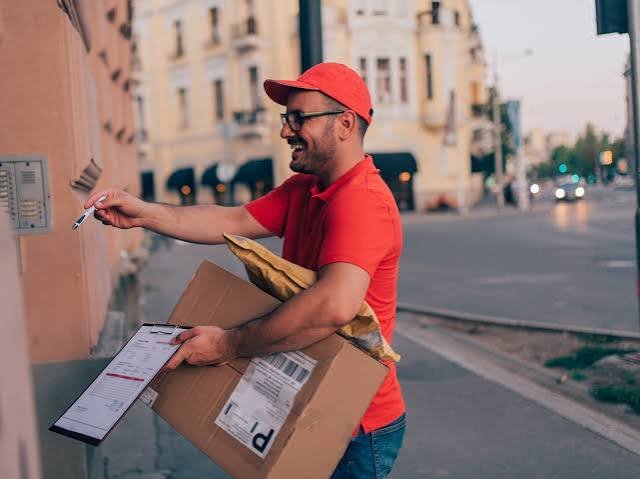
Quick commerce is transforming India’s retail landscape with rapid deliveries and expanding product choices, while traditional retail continues to serve millions through trust, proximity, and personalized service. Rather than replacing one another, both models are increasingly finding opportunities to coexist by catering to different consumer needs.
Quick commerce has become one of the biggest talking points in India’s retail industry. With platforms promising deliveries in as little as 10 to 20 minutes, consumer shopping habits are changing rapidly. At the same time, traditional retail, including kirana stores, supermarkets, and neighborhood shops, continues to remain the backbone of India’s retail economy. Recent industry reports indicate that quick commerce is expected to remain the fastest-growing segment of digital retail in 2026, but this does not necessarily mean conventional retail is disappearing. Instead, India’s diverse consumer base is creating room for both business models to grow together.
India’s Retail Market Is Becoming Multi-Channel
India’s retail market is unique because it serves consumers across metros, Tier-2 cities, Tier-3 towns, and rural regions. Shopping preferences vary depending on income levels, internet access, product categories, and urgency.
Quick commerce platforms have expanded beyond groceries to include electronics, beauty products, medicines, home essentials, and even fashion accessories. Companies continue investing heavily in dark stores and delivery infrastructure to improve order fulfillment.
Meanwhile, traditional retailers continue attracting customers who prefer seeing products before buying, seeking personalized recommendations, or making bulk purchases. Family-owned kirana stores also offer informal credit, flexible ordering, and strong community relationships that digital platforms cannot easily replicate.
This changing landscape suggests that retail is becoming increasingly multi-channel rather than shifting entirely toward one format.
Quick Commerce Is Growing at an Unprecedented Pace
The rapid expansion of quick commerce reflects changing consumer expectations. Industry estimates suggest India’s quick commerce market is growing significantly faster than overall digital commerce, supported by investments in dark store networks and last-mile logistics.
Consumers increasingly value convenience for everyday purchases such as milk, vegetables, medicines, snacks, and household essentials. Working professionals, students, and urban families are driving demand for instant delivery services.
Major companies continue expanding aggressively into new cities while increasing product assortment. Even established e-commerce players are strengthening their quick commerce operations as competition intensifies.
The sector’s rapid growth has also encouraged FMCG companies to prioritize quick commerce as a major online sales channel, highlighting its growing importance within India’s retail ecosystem.
Why Traditional Retail Still Holds a Strong Position
Despite digital disruption, traditional retail remains deeply embedded in India’s economy.
Neighborhood stores continue offering several advantages that are difficult to replace completely. Customers often prefer visiting physical stores for fresh produce, clothing, furniture, jewelry, and products requiring physical inspection before purchase.
Many kirana stores have also adopted technology by accepting digital payments, using inventory software, offering WhatsApp ordering, and providing home delivery within local neighborhoods.
In Tier-2 and Tier-3 cities, personal relationships between shopkeepers and customers continue influencing purchasing decisions. Local retailers often understand customer preferences better than algorithms and can respond quickly to specific community needs.
These strengths ensure that traditional retail continues serving a large share of Indian consumers despite growing online competition.
Competition Is Driving Innovation Across Retail
Rather than eliminating traditional stores, quick commerce is encouraging retailers to improve customer experience.
Many supermarkets now offer same-day delivery, while local stores have partnered with delivery platforms or built their own neighborhood delivery networks. Retailers are improving inventory management, expanding product selection, and investing in customer loyalty programs.
Quick commerce companies, on the other hand, face their own challenges. Maintaining profitability while offering ultra-fast delivery requires substantial investments in warehouses, logistics, technology, and workforce management. Competition has also intensified as more companies enter the segment, making operational efficiency increasingly important.
Regulatory discussions surrounding e-commerce policies and competition have further highlighted the need for balanced growth that supports both digital platforms and traditional retail businesses.
What This Means for Tier-2 and Tier-3 India
The next phase of retail growth is likely to come from smaller cities.
As internet penetration increases and logistics networks improve, quick commerce companies are gradually expanding beyond major metropolitan areas. However, growth in these markets will require adapting to local purchasing behavior, lower order values, and different consumer expectations.
Traditional retailers in these regions already enjoy strong customer trust and established supply chains. Many are adopting hybrid business models by combining physical stores with digital ordering and local delivery.
For consumers, this means greater choice rather than fewer options. Urgent purchases may shift toward quick commerce, while planned shopping, larger purchases, and relationship-driven buying may continue supporting neighborhood retailers.
This complementary approach could strengthen India’s retail ecosystem instead of creating a winner-takes-all market.
The Road Ahead for Indian Retail
India’s retail future is unlikely to be defined by quick commerce versus traditional retail. Instead, success will depend on how effectively both models evolve alongside changing consumer expectations.
Quick commerce will continue driving convenience, faster fulfillment, and digital innovation. Traditional retail will remain essential by offering trust, personalized service, physical product experience, and local accessibility.
Businesses that successfully integrate technology with customer relationships are likely to emerge as long-term winners. As India’s retail sector continues expanding, consumers will benefit from greater flexibility, faster service, and wider product availability across both online and offline channels.
Key Takeaways
- Quick commerce is among the fastest-growing segments of India’s digital retail industry.
- Traditional retail continues to thrive through trust, personalized service, and community relationships.
- Hybrid retail models combining digital convenience with physical stores are becoming increasingly common.
- India’s diverse consumer base creates opportunities for both quick commerce and traditional retail to grow together.
Frequently Asked Questions
Q1. What is quick commerce?
Quick commerce is a retail model that delivers products, usually within 10 to 30 minutes, using nearby fulfillment centers known as dark stores.
Q2. Will quick commerce replace kirana stores?
Current market trends suggest coexistence rather than complete replacement. Kirana stores continue offering personalized service, local trust, and convenience for many consumers.
Q3. Why is quick commerce growing so rapidly in India?
Urban lifestyles, increasing smartphone usage, better logistics infrastructure, and demand for instant convenience are driving rapid growth.
Q4. How are traditional retailers adapting?
Many retailers now accept digital payments, offer online ordering, provide home delivery, and use technology to improve inventory and customer service.
(Internal Keyword Suggestions: Quick Commerce India, Traditional Retail India, Kirana Stores, Digital Retail Growth, Indian Retail Market, Dark Stores, Retail Industry Trends 2026, Omnichannel Retail, FMCG Retail, Tier-2 Retail Growth)









Leave a comment