

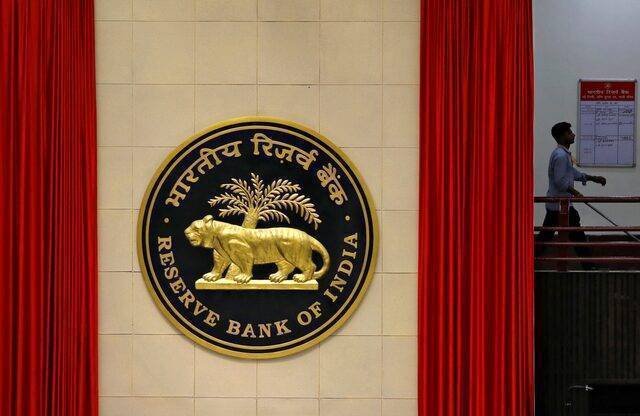
Liquidity infusion from the Reserve Bank of India could reshape consumer demand patterns and alter advertising cycles across Tier 2 and Tier 3 markets. As credit becomes more accessible and borrowing costs ease, regional consumption behaviour is likely to strengthen in select categories while shifting in others.
This topic is time sensitive because it relates to a recent RBI policy shift. The tone follows a news oriented analytical style. Liquidity infusion typically affects money supply, lending conditions and consumer confidence. For regional markets where spending is highly sensitive to credit availability and household budgets, the impact can be extensive. Advertising cycles adjust in response to these demand patterns, especially in categories driven by discretionary purchases.
How liquidity infusion affects consumer credit and spending capacity
When the RBI injects liquidity, banks and non banking finance companies gain more flexibility to lend. Lower cost of funds often translates into easier access to personal loans, vehicle loans, home improvement loans and SME credit. Tier 2 and Tier 3 households rely heavily on these credit channels to manage both essential and aspirational spending. Liquidity driven credit growth stimulates purchase decisions in categories such as two wheelers, electronics, residential upgrades and education services. Improved liquidity also supports micro entrepreneurs who form a large segment of regional economies. As small businesses gain access to working capital, local employment conditions stabilise, further supporting household consumption. This broad based demand expansion sets the foundation for longer advertising cycles in 2026.
Impact on retail and consumer durable demand in emerging markets
Retail spending in smaller cities responds quickly to changes in borrowing conditions. Liquidity driven rate cuts can reduce EMI burdens for existing borrowers and create room for new purchases. Categories such as refrigerators, washing machines, televisions and smartphones benefit from pent up demand. Retailers experience higher footfall as instalment based purchases become more affordable. Brands targeting Tier 2 and Tier 3 markets increase promotional activity during these periods to capture demand uplift. E commerce platforms also intensify campaigns in these regions because increased liquidity improves digital payment adoption and willingness to transact online. Localised offers, vernacular advertising and regional influencer campaigns are likely to scale up as brands compete for wallet share.
How improved liquidity influences advertising seasonality
Advertising cycles in regional markets often peak during festivals, marriage seasons and academic admissions. Liquidity infusion can extend these cycles by creating additional windows of high consumption. For example, lower borrowing costs may trigger mid year sales surges outside traditional festive periods. Brands in automotive, housing, electronics and lifestyle segments may allocate more budgets to sustained campaigns rather than concentrating spend in short bursts. Digital platforms will capture a larger share of incremental ad budgets as brands seek measurable and targeted reach. Local cable networks and regional print may also see renewed activity as businesses try to capture wider audience segments during phases of increased liquidity.
Spillover effects on SME advertising and local business promotions
Regional SMEs form a significant part of advertising spend in smaller cities. Liquidity infusion helps these businesses access credit for inventory expansion, shop renovation and marketing. Local retailers, coaching institutes, clinics, real estate agents and service providers tend to increase advertising when consumer demand strengthens. With improved cash flow, SMEs invest more in social media ads, classified platforms, outdoor hoardings and hyperlocal influencer campaigns. These smaller advertisers contribute to sustained advertising cycles, supporting agencies and media outlets in regional markets. As liquidity stabilises income expectations, SMEs become more confident in conducting long duration marketing instead of short term tactical promotions.
Takeaways
RBI liquidity infusion improves credit availability and boosts consumer spending capacity
Retail and durable segments in smaller cities respond quickly to lower borrowing costs
Advertising cycles extend beyond festive periods as demand becomes more evenly distributed
Regional SMEs increase marketing spend when liquidity stabilises cash flow
FAQ
How does RBI liquidity infusion affect everyday consumers
It increases the availability of loans and reduces borrowing pressure, encouraging households to make purchases they previously postponed.
Will advertising increase immediately after liquidity measures
Not instantly, but as lenders transmit benefits and spending rises, brands expand marketing activity to capture growing demand.
Which sectors benefit most in Tier 2 and Tier 3 markets
Consumer durables, automobiles, electronics, housing related products and education services typically see strong demand during liquidity infusions.
Do SMEs also increase advertising during such periods
Yes. With better working capital access, SMEs invest more in marketing to attract customers and take advantage of favourable consumption trends.












Leave a comment