

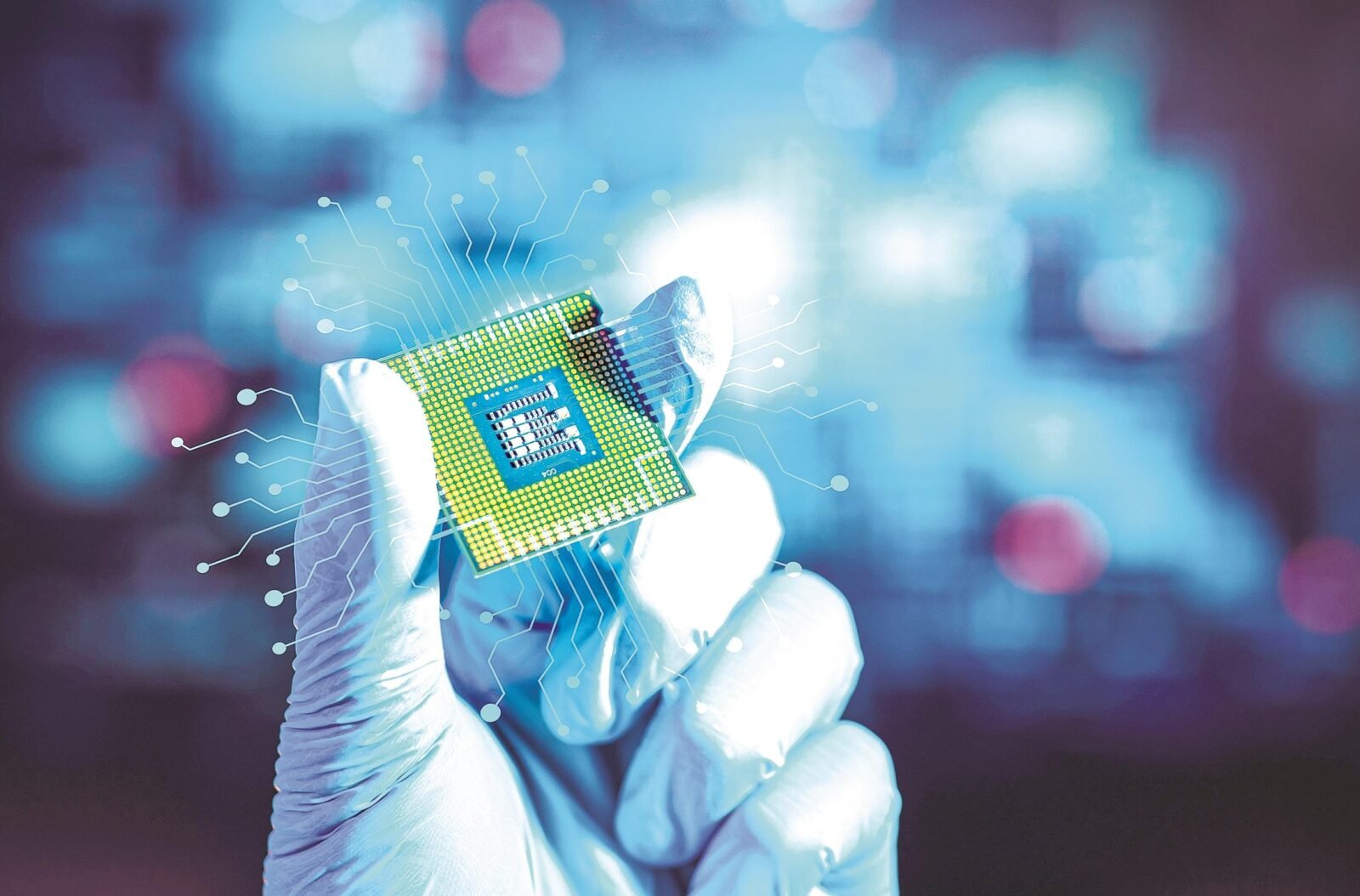
Early stage semiconductor founders speak about a six fold jump in seed funding, highlighting growing investor interest in India’s chip ecosystem. The topic is time sensitive, so the tone remains news oriented. While capital availability has improved, founders warn that deeper structural challenges must be addressed to turn prototypes into scalable commercial products.
India’s push toward semiconductor self reliance has triggered interest from seed investors, strategic partners and technology funds. But despite this positive momentum, startups face constraints around manufacturing access, specialised talent, long development cycles and limited domestic demand at scale.
Why seed funding for semiconductor startups has surged rapidly
Secondary keywords: semiconductor seed funding, chip startup capital
Seed funding has increased because policy support, global supply chain shifts and demand for electronics have created a favourable environment for chip related innovation. Investors see long term strategic value as India attempts to build an indigenous semiconductor base. Startups working on design automation tools, specialised chips, power electronics and embedded systems are attracting attention.
Seed funds have loosened their stance for semiconductor projects that traditionally required large initial investments. With targeted grants and government backed programs reducing early capital risk, more investors are willing to back founders with credible technical backgrounds. However, founders emphasise that seed capital only covers a small portion of the journey in a sector where development cycles require patient capital and high precision execution.
What founders say about the long and costly product development cycle
Secondary keywords: chip design challenges, semiconductor manufacturing gap
Building semiconductor products involves extended R&D timelines, complex verification processes and multiple design iterations. Early prototypes often require several testing phases before moving to fabrication. Founders highlight that each cycle can take months and involves expensive tooling, simulation and tape out costs. For advanced chips, the costs escalate sharply.
India currently lacks large scale semiconductor fabrication facilities for most chip types. Startups rely on foreign fabs for manufacturing, which increases lead times and exposes them to external risks. Access to multi project wafer programs helps reduce costs but does not eliminate delays. The gap between successful design and commercial production remains one of the most significant barriers for startups trying to scale.
Talent gaps and the need for specialised engineering capability
Secondary keywords: semiconductor talent shortage, skilled workforce India
Semiconductor design and testing require niche expertise across analog design, digital architecture, verification, VLSI engineering and packaging. Founders point out that India produces strong engineering talent, but experience in deep semiconductor workflows remains limited. Skilled engineers often get absorbed by large multinational chip companies, leaving fewer options for early stage startups.
This talent scarcity increases hiring costs and extends project timelines. Startups must invest heavily in training fresh engineers, further stretching their limited budgets. Retaining trained talent becomes difficult when larger companies offer higher compensation packages or international roles. Without a steady pipeline of specialised engineers, scaling semiconductor startups becomes significantly more challenging.
Market development challenges and limited domestic demand scale
Secondary keywords: semiconductor demand India, electronics manufacturing ecosystem
Startups often struggle with market creation. Demand for specialised chips is still low in India because domestic electronics manufacturing is heavily reliant on imported components. Even when startups build high quality designs, converting them into large orders requires coordination across OEMs, contract manufacturers and system integrators.
For sectors like automotive, telecom or industrial electronics, qualification processes are lengthy and require robust certification. Startups face slow adoption cycles as industry partners expect proven reliability across multiple operational scenarios. Founders say that while interest in local solutions is rising, demand still does not match the scale required to justify significant manufacturing investment.
Why scaling from seed stage to growth stage remains the hardest jump
Secondary keywords: capital intensity, semiconductor scale up
Seed funding enables design teams to validate concepts, build prototypes and demonstrate potential. However, moving to the next stage requires far larger investments. Fabrication costs, IP licensing, testing infrastructure and supply chain development demand multi crore budgets. Growth funds are cautious because semiconductor scale up is capital intensive and carries long gestation periods.
Founders note that unlike software startups, semiconductor companies cannot rapidly iterate or pivot without high cost implications. Any change in design requires new tooling, simulations and manufacturing cycles. This makes investors focus heavily on technical due diligence, market fit and founder expertise before committing larger rounds.
What India’s semiconductor push must address to support startups
Secondary keywords: semiconductor ecosystem India, policy support
Founders believe that long term growth depends on a stronger ecosystem. Access to fabrication facilities, predictable MPW programs, low cost testing labs and advanced packaging units can significantly accelerate development cycles. Policies that encourage domestic electronics manufacturing can generate local demand for homegrown chips.
Investment in talent development through specialised training programs, university partnerships and industry internships is also essential. Startups need predictable funding pipelines that match the multi year timelines of chip development. Government support in procurement, validation and risk sharing could help startups achieve commercial readiness faster.
Takeaways
Seed funding for semiconductor startups has grown six fold due to policy support and investor interest
Long development cycles and reliance on foreign fabs remain major barriers to scale
Talent shortages in specialised chip design roles slow down progress
Domestic demand and ecosystem gaps make scale up difficult despite strong early funding
FAQ
Why has seed funding increased so sharply for semiconductor startups?
Policy incentives, supply chain shifts and rising demand for electronics have encouraged investors to back early stage semiconductor projects.
What is the biggest challenge after the seed stage?
Scaling requires large capital, access to fabrication and long testing cycles, making growth funding difficult.
Why do founders struggle with talent hiring?
Specialised semiconductor engineers are limited and often work with large multinational chip firms, raising hiring and retention challenges.
Can India’s semiconductor mission help these startups scale?
Yes. Better fabrication access, testing infrastructure, talent development and coordinated procurement can accelerate startup growth.











Leave a comment