

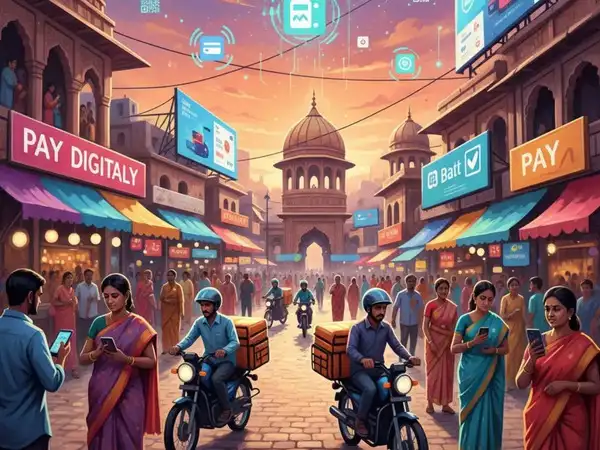
India’s consumption economy in 2026 is increasingly being driven by entrepreneurs from Tier-2 and Tier-3 cities. From regional fashion brands to digital services and local manufacturing businesses, small-town founders are changing how India buys, sells, and consumes products across both online and offline markets.
India’s new consumption economy is no longer centered only around metro cities. Small-town entrepreneurs are emerging as key contributors to business growth, consumer demand, and digital commerce expansion in 2026.
The rise of affordable internet, digital payments, social commerce, and logistics infrastructure has enabled entrepreneurs from smaller cities to build scalable businesses targeting regional and national audiences. As a result, cities like Indore, Nagpur, Surat, Jaipur, Kochi, Lucknow, Coimbatore, and Patna are becoming strong commercial hubs.
Industry experts say this shift reflects a deeper transformation in India’s economic structure, where local demand, regional identity, and digital accessibility are combining to create a new wave of consumption-led growth.
Tier-2 Entrepreneurs Are Building Businesses for Bharat Consumers
One of the biggest reasons behind this shift is the growing purchasing power of consumers in smaller cities. Rising disposable income, smartphone penetration, and digital awareness have increased spending across categories like fashion, electronics, beauty, food delivery, education, and financial services.
Small-town entrepreneurs understand local preferences better than many national brands. This gives them a major advantage in creating products tailored to regional demand.
For example, regional clothing labels are offering affordable ethnic wear designed around local tastes. Food startups are building packaged products based on regional flavors. Edtech platforms are focusing on vernacular learning. Even fintech startups are creating services specifically for semi-urban users.
Unlike earlier business models that depended heavily on metro consumers, many startups today are directly targeting Bharat-focused audiences from the beginning.
This approach is helping smaller brands scale faster while building stronger customer loyalty.
Social Media and Digital Commerce Accelerate Small Business Growth
Platforms like Instagram, WhatsApp Business, YouTube, and online marketplaces have reduced entry barriers for entrepreneurs in non-metro India. Small business owners no longer need expensive retail infrastructure to reach customers.
Social commerce has become particularly important for women entrepreneurs and homegrown brands operating from smaller towns. Many businesses now use short-form video content, influencer collaborations, and live selling formats to drive sales.
The rapid expansion of UPI and digital payments has also made transactions easier for both sellers and customers.
According to industry observations across India’s startup ecosystem, many first-generation founders from Tier-2 cities are building profitable niche businesses with relatively low operational costs compared to metro-based startups.
Lower office expenses, cheaper labor, and reduced competition in regional markets are giving these entrepreneurs better sustainability in the long run.
Regional Brands Are Competing With National Companies
India’s new consumption economy is also witnessing the rise of regional-first brands. Consumers are increasingly willing to buy products from local businesses if they offer quality, affordability, and cultural relevance.
This trend is visible across categories like FMCG, fashion, beauty, packaged foods, home decor, and wellness products.
Many regional brands are using digital marketing to create strong online visibility without spending heavily on traditional advertising. Influencer-led promotions and localized campaigns are helping them build trust among audiences.
Another important factor is language localization. Businesses that communicate in Hindi, Marathi, Tamil, Bengali, Gujarati, and other regional languages are seeing stronger engagement in non-metro markets.
Experts believe regional identity is becoming a major factor in purchasing decisions, especially among younger consumers outside major cities.
MSMEs and D2C Startups Drive Local Economic Activity
The growth of MSMEs and direct-to-consumer startups is generating employment opportunities in smaller cities. Local manufacturing units, packaging centers, logistics services, and digital marketing agencies are benefiting from this business expansion.
Many entrepreneurs are also focusing on hyperlocal production models instead of depending entirely on imports or centralized supply chains.
This has become particularly important after businesses recognized the risks of global supply disruptions during recent years.
Government initiatives supporting startups, digitalization, and MSME financing have further encouraged entrepreneurship in smaller towns.
Startup incubators, co-working spaces, and regional investor networks are now becoming more active beyond metro ecosystems.
As access to funding and mentorship improves, experts expect more founders from smaller cities to enter sectors like agritech, healthtech, SaaS, clean energy, and creator economy businesses.
Challenges Still Affect Small-Town Entrepreneurs
Despite the rapid growth, entrepreneurs in Tier-2 and Tier-3 markets still face multiple challenges. Access to large-scale funding remains limited compared to metro-based startups.
Many businesses struggle with talent acquisition, advanced logistics support, and scaling operations across multiple regions.
Digital literacy gaps and inconsistent infrastructure in some areas can also slow business growth.
Additionally, rising competition in online marketplaces is making customer acquisition more expensive for smaller brands.
However, industry analysts believe entrepreneurs who focus on product quality, customer trust, and regional relevance are more likely to sustain long-term growth.
The next phase of India’s startup ecosystem is expected to include far more founders from non-metro backgrounds than ever before.
Why India’s Consumption Economy Is Shifting Beyond Metros
India’s economic growth is becoming more decentralized. Consumption demand is spreading across emerging cities where aspirations, internet access, and entrepreneurship are growing together.
Small-town entrepreneurs are not just participating in the economy anymore. They are actively shaping consumer behavior, creating regional brands, and influencing market trends.
This shift is expected to redefine how companies approach product development, advertising, logistics, and customer engagement in the coming years.
For many businesses, understanding Bharat consumers may become more important than focusing only on metropolitan markets.
Takeaways
- Small-town entrepreneurs are becoming major contributors to India’s consumption economy
- Social commerce and digital payments are helping regional businesses scale faster
- Regional brands are competing strongly with national companies in multiple sectors
- Tier-2 and Tier-3 cities are emerging as important startup and consumer markets
FAQs
Why are small-town entrepreneurs growing rapidly in India?
Affordable internet access, digital payments, social commerce, and rising regional demand have created better opportunities for entrepreneurs in smaller cities.
Which sectors are seeing growth in Tier-2 and Tier-3 markets?
Fashion, FMCG, food brands, fintech, edtech, beauty, logistics, and D2C startups are growing rapidly in non-metro regions.
How are regional brands competing with larger companies?
Regional brands focus on local preferences, regional languages, affordable pricing, and digital-first marketing strategies to attract consumers.
What challenges do small-town startups still face?
Limited funding access, talent shortages, infrastructure gaps, and rising online competition remain major challenges for many businesses.










Leave a comment