

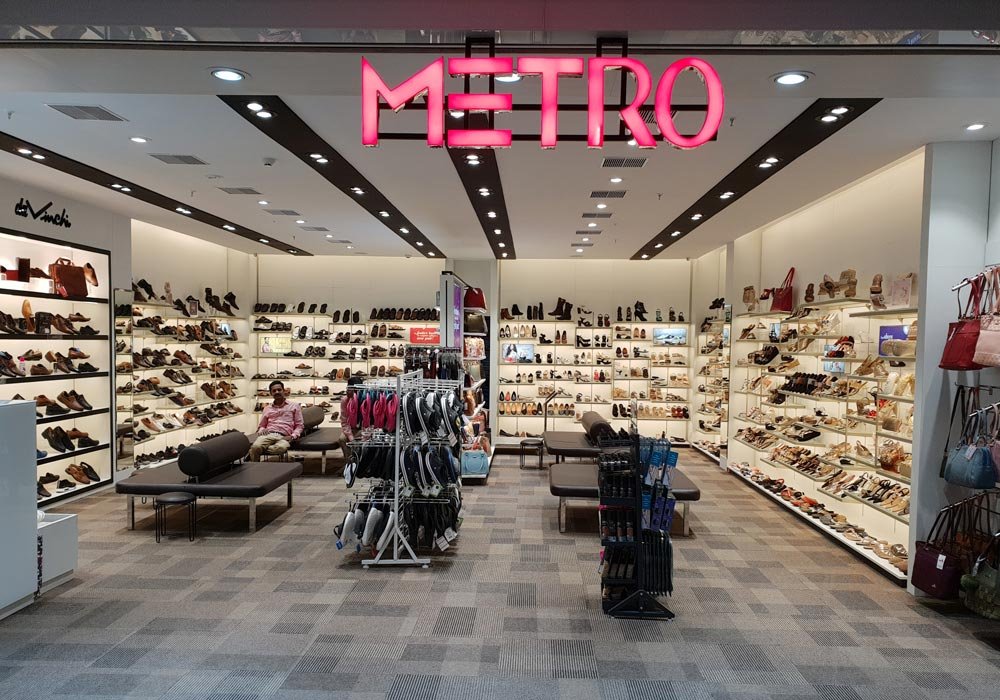
Regional retail chains are expanding faster than metro brands in 2026 as consumer demand shifts toward affordability, local preferences, and faster service delivery. Businesses rooted in Tier-2 and Tier-3 markets are gaining market share by understanding regional buying behavior better than large national retailers.
Regional retail chains are witnessing rapid growth across India this year, especially in smaller cities and semi-urban markets. While large metro-focused brands continue to dominate premium urban consumption, regional retailers are expanding aggressively through hyperlocal strategies, competitive pricing, and deeper customer trust.
This trend has become more visible in sectors such as grocery retail, fashion, electronics, furniture, pharmacy, and quick-service restaurants. Retailers from cities like Surat, Indore, Nagpur, Kochi, Jaipur, and Lucknow are opening stores faster than some established national brands.
Industry analysts believe the shift reflects changing consumer priorities in post-pandemic India. Buyers are increasingly choosing convenience, local familiarity, and value pricing over premium branding. Regional chains are adapting faster because they already understand the spending patterns and cultural preferences of local audiences.
Tier-2 and Tier-3 Markets Are Driving Retail Expansion
One major reason behind the rise of regional retail chains is the strong consumption growth coming from Tier-2 and Tier-3 cities. Disposable income has increased steadily in smaller urban centers due to growth in local industries, digital jobs, and entrepreneurship.
Unlike metro cities where retail markets are saturated, smaller cities still offer expansion opportunities with lower rental costs and less competition. Regional retailers can open larger stores at lower operating expenses compared to businesses trying to scale in Mumbai, Delhi, or Bengaluru.
Consumers in these markets also prefer brands that align with regional tastes and purchasing habits. For example, local fashion retailers often stock clothing styles suited to local festivals and cultural preferences. Grocery chains customize inventory based on local food habits rather than depending entirely on national supply patterns.
This localization gives regional retailers a practical advantage over metro brands that usually operate through centralized planning models.
Regional Brands Are Winning Through Pricing and Trust
Affordability remains one of the strongest advantages for regional retail chains in 2026. Inflation and rising household expenses have made consumers more price-sensitive across India. Regional retailers are responding by offering competitive pricing, local sourcing, and flexible purchasing options.
Many local chains maintain direct relationships with regional suppliers and manufacturers. This reduces logistics costs and allows them to sell products at lower prices while protecting margins. In categories like groceries and apparel, even small price differences strongly influence consumer choices.
Trust also plays a major role. Customers in smaller cities often prefer businesses they recognize locally. Regional retailers build long-term relationships through personalized customer service and community engagement rather than relying only on advertising campaigns.
Several regional brands are also expanding using franchise models, allowing faster growth with relatively lower capital investment.
Digital Adoption Is Helping Smaller Retailers Scale Faster
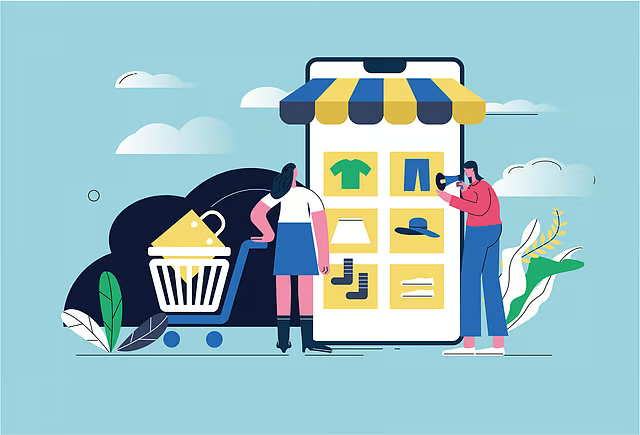
Technology adoption has changed the growth trajectory of regional retailers. Earlier, many local chains operated primarily offline with limited inventory systems or customer analytics. In 2026, affordable retail technology platforms are helping them compete more efficiently.
Cloud billing systems, WhatsApp commerce, UPI payments, and social media marketing have become common among regional retailers. Many businesses now use Instagram and local influencer collaborations to attract younger consumers.
Quick commerce and local delivery partnerships are also helping regional chains increase customer reach without massive infrastructure investments. Some regional grocery and pharmacy retailers are now offering same-day delivery services in smaller cities where large national players still have limited presence.
Digital transformation has reduced the gap between organized national retailers and local businesses. Smaller chains can now scale operations faster while maintaining regional identity.
Metro Brands Face Slower Expansion Challenges
Large metro brands continue to hold strong positions in premium retail segments, but expansion has become more complex in 2026. High rental costs, rising employee expenses, and increasing competition are slowing physical store growth in major cities.
Several national retailers are becoming more cautious about aggressive expansion due to profitability concerns. Many companies are focusing on operational efficiency and online growth rather than opening large numbers of new stores.
Another challenge is local adaptation. Some metro brands struggle to customize products and pricing strategies for smaller cities. Consumers outside metro regions often prioritize durability, discounts, and practical utility over premium positioning.
This does not mean national brands are losing relevance. Instead, the market is becoming more competitive as regional chains evolve into organized retail players with stronger local influence.
What the Retail Shift Means for India’s Consumer Market
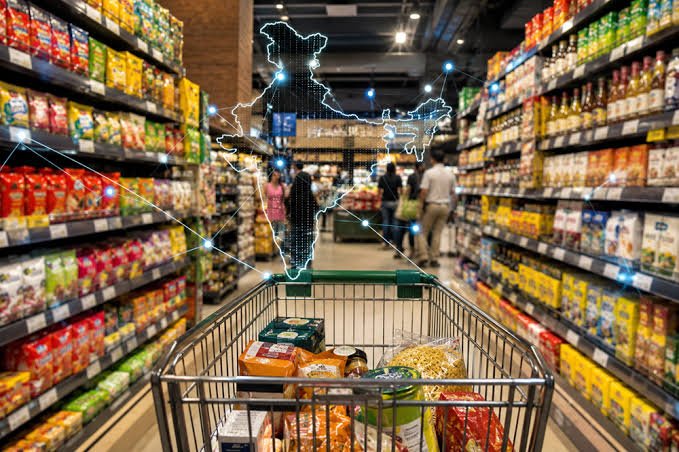
The rapid expansion of regional retail chains signals a broader transformation in India’s consumer economy. Growth is no longer concentrated only in metros. Smaller cities are becoming independent consumption centers with distinct retail ecosystems.
This trend is expected to create more employment opportunities, strengthen local supply chains, and encourage regional entrepreneurship. It may also push national brands to rethink localization strategies and pricing models.
Retail experts believe India’s next phase of organized retail growth will be shaped heavily by Bharat-focused businesses that combine local understanding with digital scalability.
As consumer demand spreads deeper into non-metro markets, regional retail chains are likely to play an increasingly important role in shaping India’s retail landscape over the next few years.
Takeaways
- Regional retail chains are expanding rapidly in Tier-2 and Tier-3 cities in 2026
- Lower operational costs and local consumer understanding are driving growth
- Affordable pricing and community trust give regional brands a competitive advantage
- Digital tools and delivery partnerships are helping smaller retailers scale faster
FAQs
Why are regional retail chains growing faster than metro brands?
Regional retailers understand local customer preferences better and operate with lower costs, allowing faster expansion in smaller cities.
Which sectors are seeing strong regional retail growth?
Grocery, fashion, pharmacy, electronics, furniture, and quick-service restaurants are among the fastest-growing sectors.
How is technology helping regional retailers?
Affordable digital tools like UPI, cloud billing, WhatsApp commerce, and social media marketing are helping regional chains improve operations and customer reach.
Are metro brands losing market share completely?
No. Metro brands still dominate premium urban markets, but regional chains are becoming stronger competitors in non-metro India.








Leave a comment