

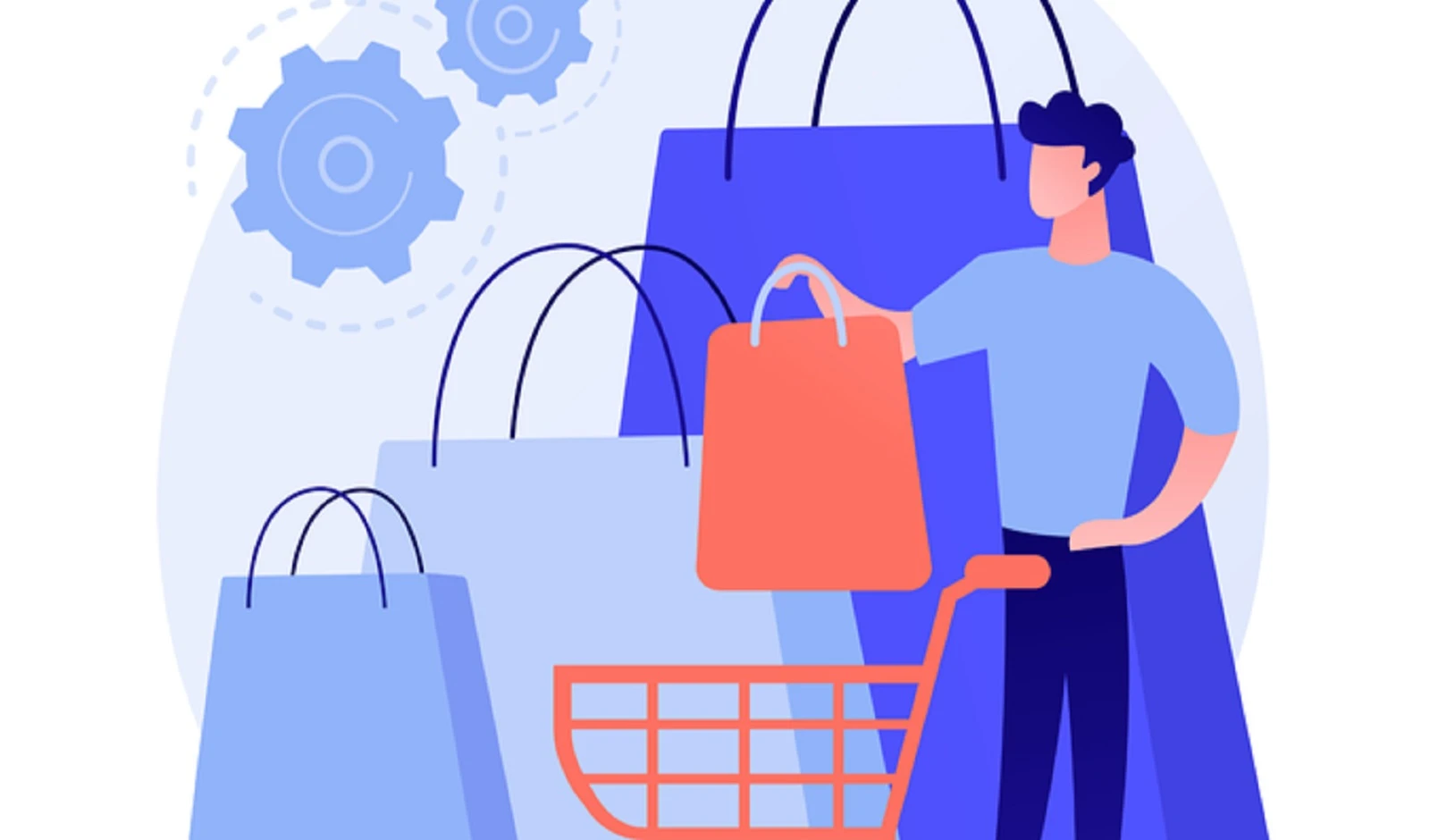
India’s smaller cities are becoming increasingly important to the country’s consumption story as digital access, improving infrastructure, rising incomes and changing consumer preferences reshape demand. Recent e-commerce data shows that Tier-2 and Tier-3 markets are generating a growing share of new orders, giving brands a larger market beyond metros.
Smaller Cities Are Driving New Consumer Demand
For years, India’s biggest consumer markets were concentrated in cities such as Mumbai, Delhi, Bengaluru, Hyderabad and Chennai. That pattern is changing as businesses increasingly look toward Tier-2 and Tier-3 cities for their next phase of growth.
Recent data from Unicommerce shows the scale of the shift. Nearly 66% of new direct-to-consumer orders in FY2026 came from Tier-2 and Tier-3 cities. Consumers in these markets also contributed about 60% of incremental gross merchandise value during the year. The data was based on more than 400 million order items processed through brand websites between April 2024 and February 2026.
The trend does not mean metros are losing their importance. Instead, it shows that consumer demand is becoming more geographically distributed.
For brands, cities such as Jaipur, Surat, Indore, Lucknow, Coimbatore, Nagpur and Chandigarh are increasingly relevant when planning distribution, marketing and product strategies.
E-Commerce Is Expanding the Choice Available to Consumers
One of the biggest reasons smaller Indian cities are becoming important consumer markets is the expansion of e-commerce.
A customer in a smaller city no longer has to depend entirely on the products available at nearby stores. Online marketplaces and direct-to-consumer websites can provide access to national brands, specialised products and categories that may not have a strong physical presence locally.
This is particularly relevant for fashion, beauty, electronics, personal care, home products and niche consumer goods.
At the same time, the latest data shows that the story is not simply about more people shopping online. Average order values in smaller cities can still remain below those in larger markets, indicating differences in purchasing power and buying behaviour. A Times of India report published on September 22, 2026, highlighted this gap even as online shopping activity in smaller cities continues to rise.
That makes smaller markets a volume opportunity, but not necessarily an identical replica of metropolitan consumption.
Digital Payments and Internet Access Are Changing Buying Habits
The expansion of India’s digital ecosystem has made it easier for consumers outside major cities to discover, compare and purchase products.
Smartphones, digital payments, online marketplaces and social media have reduced some of the traditional barriers between brands and customers. Consumers can now discover products through Instagram, YouTube, short-video content and creator recommendations before completing purchases through digital platforms.
This is important for direct-to-consumer businesses because their distribution is no longer dependent entirely on physical stores.
A KPMG analysis published in April 2026 noted that improving digital infrastructure and connectivity are contributing to rising consumption in Tier-2 and Tier-3 cities. It also highlighted the growing role of these cities in D2C orders and logistics infrastructure.
For businesses, this creates an opportunity to reach customers without building a large physical retail network in every location.
Tier-2 Consumers Are Buying More Than Basic Products
The consumer opportunity in smaller cities is also becoming more diverse.
Consumers are increasingly spending across categories such as branded fashion, beauty, personal care, electronics, education, travel and home improvement. India Today reported in July 2026 that premium consumption is increasingly visible in Tier-2 and Tier-3 markets, alongside spending on homes, education and travel.
This does not mean every smaller-city consumer has the same purchasing power as a metropolitan consumer. Income levels, local employment patterns and household priorities vary considerably between cities.
But the important change is in aspiration and accessibility.
A consumer in a smaller city may now be exposed to the same brands, creators and product trends as someone living in a metro. The difference is increasingly about purchasing capacity and availability rather than awareness.
For businesses, understanding that distinction is becoming critical.
Quick Commerce Moves Beyond Major Metros
Another sign of changing consumption patterns is the expansion of quick commerce.
The rapid-delivery model initially developed around densely populated metropolitan neighbourhoods. Companies are now extending these services into smaller cities as they search for additional growth.
Amazon’s quick-commerce service, Amazon Now, has expanded to more than 60 cities and crossed $1 billion in annualised gross sales, according to a Financial Express report published earlier this month. The company has also outlined plans for further expansion ahead of the festive season.
The expansion of quick commerce into smaller markets is not limited to groceries. Industry coverage shows increasing interest in categories such as beauty, wellness, baby care, fashion and other everyday products.
For smaller cities, faster delivery can make online purchasing more competitive with local retail, particularly for frequently purchased products.
Festive Demand Could Strengthen Smaller-City Markets
India’s festive shopping season is another important factor for consumer businesses.
Companies typically increase their logistics capacity, warehouse operations and delivery networks ahead of major festivals. This year, Flipkart said it expects to create more than 250,000 direct and indirect seasonal jobs, with around 60% of the new positions linked to last-mile delivery. The company also highlighted expansion in Tier-2 and Tier-3 markets.
This expansion matters beyond employment.
More delivery hubs, warehouses and logistics infrastructure can improve product availability and delivery times in smaller markets. That can encourage consumers who previously relied mainly on local stores to experiment with online purchasing.
The festive period therefore becomes an important test for how effectively companies can convert rising digital reach into sustained consumer demand.
Local Infrastructure Still Determines Market Potential
The growth of smaller cities does not mean every Tier-2 or Tier-3 location is equally attractive for businesses.
Infrastructure remains an important factor. Roads, warehousing, delivery networks, internet connectivity, organised retail and local purchasing power can all affect how quickly a market develops.
KPMG’s 2026 analysis noted that infrastructure, manufacturing, logistics and digital expansion are increasingly moving beyond India’s largest cities. It also highlighted the growth of logistics and warehousing capacity in Tier-2 and Tier-3 locations.
For businesses, this means city-level analysis is becoming more important than treating all non-metro markets as one category.
A strategy that works in Jaipur may not work in a smaller city in eastern India. Language, income patterns, product preferences, competition and delivery economics can differ significantly.
What This Means for Indian Brands
The growing importance of smaller cities is changing the way companies think about expansion.
Instead of treating Tier-2 and Tier-3 markets simply as secondary destinations after metros, businesses are increasingly building specific strategies around them. This can include regional-language marketing, smaller pack sizes, different pricing options, local influencers, regional distribution centres and city-specific product selection.
The D2C sector provides a clear example. With nearly two-thirds of new orders coming from Tier-2 and Tier-3 cities in FY2026, brands have a strong reason to understand these consumers at a local level.
At the same time, companies need to remain realistic about spending power. The latest small-city e-commerce data shows that order volumes can rise faster than average order values.
The next phase of India’s consumer economy is therefore unlikely to be defined simply by the number of new customers. It will also depend on how effectively businesses understand different regional markets and build sustainable customer relationships.
Key Takeaways
- Tier-2 and Tier-3 cities accounted for nearly 66% of new D2C orders in FY2026.
- E-commerce is giving smaller-city consumers access to a wider range of national and niche brands.
- Quick commerce, logistics and digital payments are expanding the commercial potential of non-metro markets.
- Smaller cities offer significant growth opportunities, but consumer spending and order values can still differ from metro markets.
Frequently Asked Questions
Why are smaller Indian cities becoming important consumer markets?
Improving digital access, rising aspirations, expanding e-commerce, better logistics and changing purchasing habits are increasing consumer activity beyond India’s major metropolitan areas.
Which sectors are seeing demand from Tier-2 and Tier-3 cities?
Demand is expanding across D2C products, fashion, beauty and personal care, electronics, home products, education, travel and other consumer categories.
Are consumers in smaller cities spending as much as metro consumers?
Not necessarily. Recent reporting indicates that online shopping activity is rising rapidly in smaller cities, while average order values can still remain below those of major markets.
What is driving D2C growth in smaller cities?
E-commerce access, digital payments, wider product availability, improving logistics and increasing consumer awareness are among the major factors. Unicommerce data indicates that Tier-2 and Tier-3 buyers generated nearly 66% of new D2C orders in FY2026.






Leave a comment