

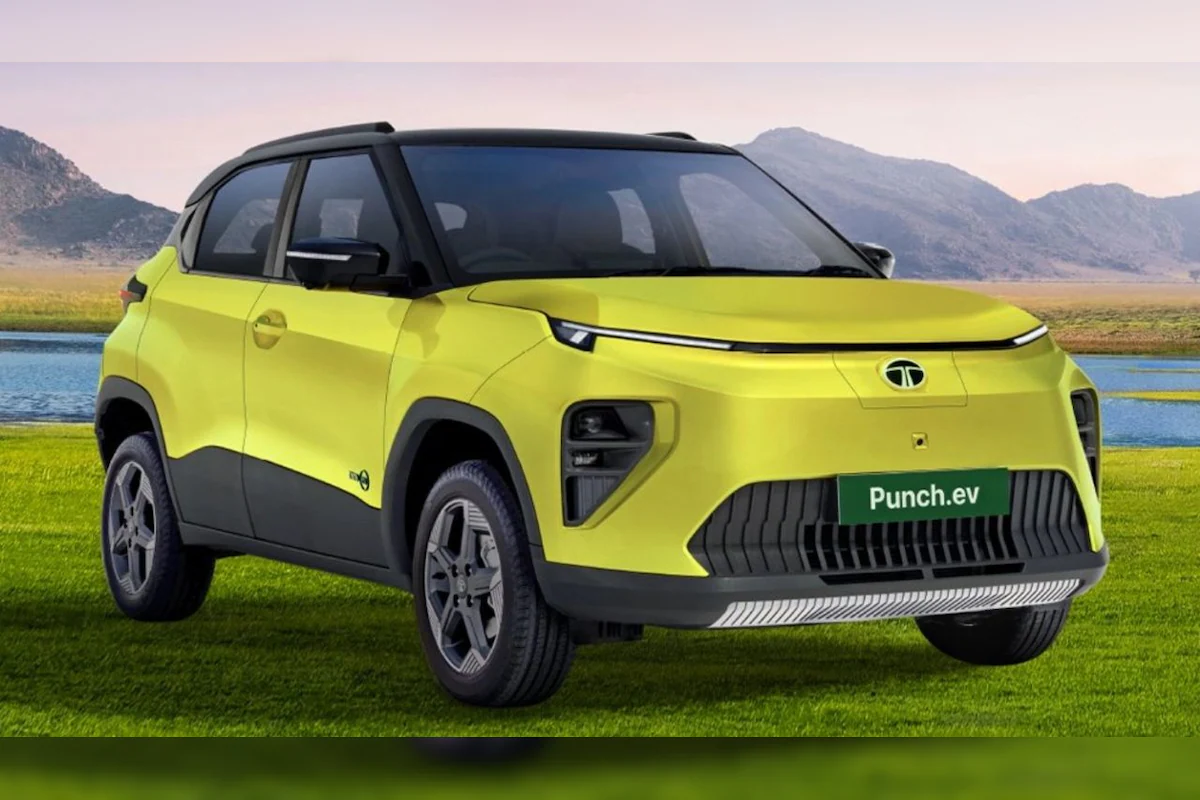
Tata Motors is at a pivotal moment in 2026 as it works to defend its leadership in India’s electric vehicle market while expanding its passenger vehicle business. With new launches, stronger competition, and changing consumer preferences, the company’s strategy will shape the future of affordable mobility in India.
Tata Motors’ passenger and EV strategy is being closely watched in 2026 because the company sits at the center of two major trends in the Indian auto industry: the shift toward SUVs and the rapid growth of electric vehicles. Investors, dealers, and customers are tracking whether Tata can maintain momentum as competition intensifies.
Tata Motors Has Built a Strong Passenger Vehicle Foundation
Over the last few years, Tata Motors has transformed its image from a value-focused automaker to a serious player in design, safety, and technology.
Models such as the Tata Nexon, Tata Punch, Tata Curvv, and Tata Harrier have helped the company gain market share in the highly competitive SUV segment.
Safety has become a key differentiator. Tata Motors has consistently emphasized Global NCAP and Bharat NCAP crash ratings, which resonates with Indian buyers who increasingly prioritize safety along with affordability.
The company also posted strong domestic passenger vehicle growth in early FY27. In April 2026, Tata reported passenger vehicle sales of 59,701 units, up more than 31 percent year-on-year, while EV sales jumped over 72 percent.
Tata Motors Continues to Lead India’s EV Market
Tata Motors remains one of the biggest names in India’s electric passenger vehicle market. Products such as the Tata Tiago EV, Tata Punch EV, Tata Nexon EV, and Tata Curvv EV cover a broad range of price points.
Its biggest strength has been mass-market positioning. Rather than focusing only on premium EVs, Tata has introduced electric cars that are within reach of middle-class families in Tier-2 and Tier-3 cities.
The strategy appears to be working. Industry data shows India’s electric passenger vehicle sales rose sharply in April 2026, and Tata Motors retained the top position in the segment.
Why 2026 Is a Defining Year for Tata Motors
This year matters because Tata Motors no longer has the EV market to itself.
Mahindra & Mahindra is expanding its electric SUV portfolio. Hyundai Motor India is scaling up EV launches. Maruti Suzuki India has entered the market with the e Vitara, and global brands such as Tesla continue to draw attention from Indian consumers.
As more options become available, Tata must prove it can retain customers based on product quality, ownership experience, charging convenience, and brand trust.
New Product Pipeline Will Be Critical
One reason analysts are optimistic is Tata Motors’ strong launch pipeline.
The company is expected to expand its lineup with models such as the Tata Sierra EV and the Tata Harrier EV. These launches are important because they help Tata move into higher-value SUV segments while preserving its presence in affordable EVs.
If these products gain traction, Tata can strengthen both revenue growth and brand positioning.
Profitability Remains a Key Question
EV leadership does not automatically translate into high profits.
Electric vehicles still involve significant costs related to batteries, software, and charging support. Tata Motors has often prioritized scale and market share over short-term margins, particularly in the mass-market segment.
Investors are watching whether the company can improve profitability as volumes increase and battery costs gradually decline.
Why This Strategy Matters to Smaller Cities
Tata Motors has a strong dealer network across India and a product portfolio that appeals to value-conscious buyers.
For consumers in Tier-2 and Tier-3 cities, Tata’s strategy is especially relevant because it focuses on affordability, safety, and lower running costs. If the company continues to expand charging infrastructure and service support, EV adoption in smaller markets could accelerate significantly.
What Industry Observers Are Watching
The market is paying attention to four things in 2026:
- Can Tata Motors defend its EV market leadership as new rivals enter?
- Will upcoming models such as Sierra EV and Harrier EV gain strong demand?
- Can the passenger vehicle business sustain volume growth?
- Will EV operations become meaningfully more profitable?
The answers to these questions will determine whether Tata remains the benchmark for mass-market electric mobility in India.
Key Takeaways
- Tata Motors is balancing growth in both passenger vehicles and electric vehicles.
- April 2026 sales showed strong momentum in domestic PV and EV segments.
- New launches such as Sierra EV and Harrier EV are central to its strategy.
- Competition from Maruti Suzuki, Mahindra, Hyundai, and Tesla is increasing.
FAQ
Why is Tata Motors important in India’s EV market?
Tata Motors was among the first Indian automakers to launch multiple affordable EVs, helping it build a large early lead.
Which Tata EVs are most popular?
The Nexon EV, Punch EV, and Tiago EV are among the company’s best-known electric models.
What are the biggest risks for Tata Motors in 2026?
Rising competition, pressure on margins, and execution challenges around new launches are the main risks.
Why do smaller-city buyers follow Tata closely?
Tata offers a combination of safety, competitive pricing, and a wide sales and service network across India.










Leave a comment