

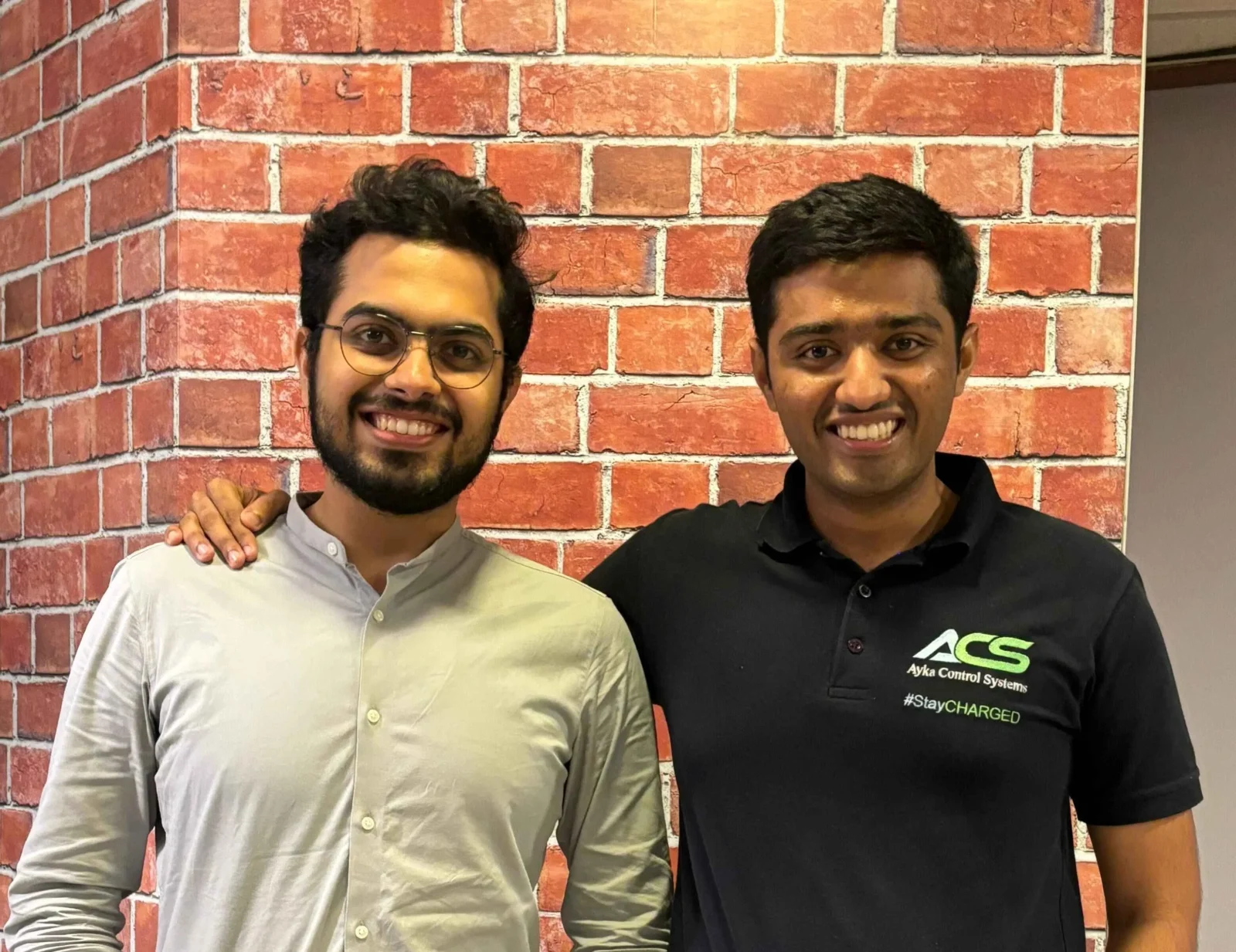
Summary: ACS Energy has raised ₹1.1 crore in pre-seed funding to deploy UPI-enabled electric vehicle chargers in Maharashtra and Gujarat. The initiative aims to create a replicable model for smaller cities, boosting EV adoption, regional infrastructure, and convenient digital payment integration.
Funding and Expansion Plans
ACS Energy’s pre-seed round of ₹1.1 crore will support the deployment of UPI-enabled EV charging stations across Maharashtra and Gujarat. The company plans to focus on smaller towns and Tier-2 cities, where EV infrastructure remains limited. By integrating UPI payments directly at chargers, ACS Energy simplifies the charging experience for electric vehicle owners, encouraging adoption in regions traditionally underserved by large-scale charging networks. This funding provides the foundation to scale operations, develop local partnerships, and enhance technology capabilities for regional deployment.
Targeting Smaller Cities and Regional Hubs
Smaller cities often face challenges in adopting EVs due to insufficient charging infrastructure and limited access to digital payment options. ACS Energy’s strategy addresses these gaps by installing accessible and user-friendly charging stations that combine physical infrastructure with mobile payments. Towns in Maharashtra and Gujarat are ideal starting points, given growing EV penetration and government incentives. The model aims to demonstrate that efficient, tech-enabled EV infrastructure can be implemented beyond metro cities, serving as a blueprint for similar regional markets across India.
Technology Integration and User Experience
The UPI-enabled chargers allow seamless, contactless transactions, eliminating the need for multiple apps or QR codes. ACS Energy integrates real-time monitoring, load management, and app notifications to enhance usability. This technological approach ensures that EV owners can locate, reserve, and pay for charging with minimal friction. By prioritizing user experience and digital convenience, ACS Energy encourages first-time EV buyers and smaller fleet operators to adopt cleaner transportation solutions in regional areas.
Economic and Environmental Implications
The expansion of EV infrastructure in smaller towns carries both economic and environmental benefits. Local businesses benefit from increased footfall around charging points, while technicians, installers, and support staff find employment opportunities. Environmentally, broader EV adoption reduces carbon emissions and reliance on fossil fuels. By creating a scalable model for Tier-2 cities, ACS Energy contributes to India’s national goals for sustainable transportation and renewable energy integration, while demonstrating the viability of tech-enabled regional solutions.
Challenges and Strategic Considerations
Despite strong potential, deploying EV chargers in smaller cities faces challenges. Grid reliability, site availability, and public awareness are key obstacles. ACS Energy must coordinate with municipal authorities, utility providers, and local communities to ensure seamless operations. Education campaigns and incentives may also be necessary to encourage adoption. Strategic planning, coupled with digital monitoring and maintenance systems, will be crucial for sustaining growth and creating a replicable model for other regional markets.
Takeaways
- ACS Energy raises ₹1.1 crore to deploy UPI-enabled EV chargers in Maharashtra and Gujarat.
- Focus on smaller cities promotes regional EV adoption and infrastructure growth.
- Technology integration simplifies payment and enhances user experience.
- Local economies benefit while contributing to environmental sustainability and clean mobility.
FAQs
Q1: What is the purpose of ACS Energy’s funding?
A1: The ₹1.1 crore pre-seed funding will support UPI-enabled EV charger deployment in Tier-2 cities.
Q2: Which regions are targeted for deployment?
A2: Maharashtra and Gujarat are initial focus areas, particularly smaller towns and regional hubs.
Q3: How does UPI integration help EV users?
A3: UPI-enabled chargers allow contactless payments, app-based monitoring, and seamless charging without multiple apps.
Q4: What challenges could affect regional deployment?
A4: Grid reliability, site availability, public awareness, and local coordination may impact smooth expansion.











Leave a comment