

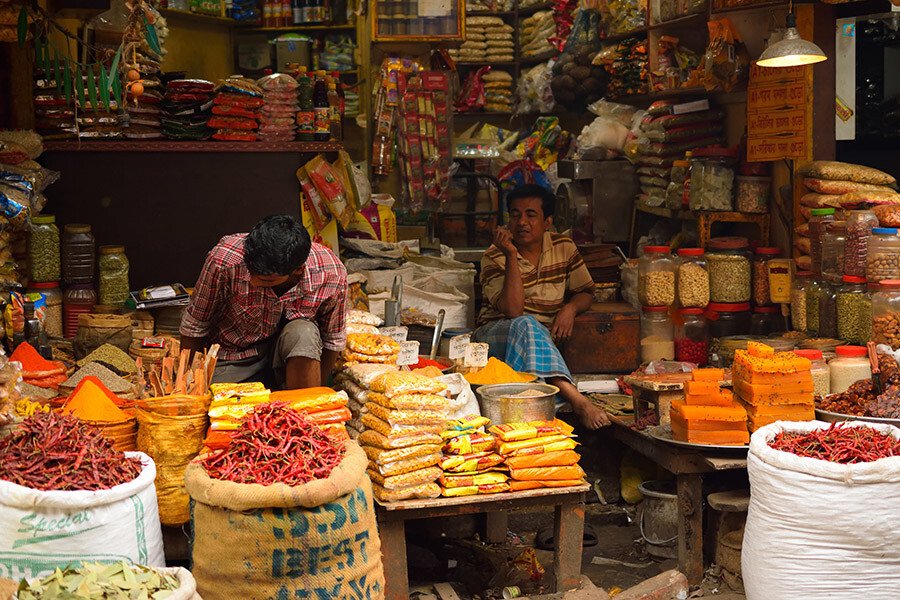
Rising rural demand is becoming a critical keyword for India’s FMCG firms as consumption patterns shift beyond major cities. For companies targeting Tier 3 markets this evolving demand signals a structural opportunity driven by income improvements, better distribution networks and changing lifestyle aspirations.
India’s rural consumer base is expanding its spending basket, moving from essentials toward branded packaged goods, personal care products and household categories. This trend makes the topic evergreen with ongoing relevance, so the tone focuses on detailed insights rather than fast breaking news.
Why rising rural demand is shaping FMCG expansion
Rural and Tier 3 consumers are purchasing more packaged food, personal hygiene items, basic healthcare products and small value convenience goods. This demand growth is tied to factors such as improved farm incomes in certain regions, government support for rural employment and expanding digital awareness. For FMCG firms entering these markets the implication is clear. Growth is shifting geographically and companies must build strategies that recognise the diversity and purchasing power of smaller communities.
The most notable shift is the change in brand perception. Rural buyers increasingly prioritise value, reliability and familiarity rather than simply low prices. This allows FMCG firms to introduce entry level branded products without sacrificing margins. The rise of digital content and regional influencers is also helping rural consumers learn about new products and categories faster than before.
How consumption behaviour differs in Tier 3 markets
A key secondary keyword here is consumption behaviour. Tier 3 markets have distinct buying patterns compared to metros. Consumers often purchase in smaller pack sizes due to cash flow cycles. Seasonal demand plays a larger role, and trust in local retailers influences product choices significantly.
For FMCG firms this means product design must accommodate local habits. Small packs, refill sizes and value priced SKUs often outperform standard urban formats. Companies also need to understand regional preferences such as taste profiles in food categories or fragrance preferences in personal care items. Ignoring these differences can lead to weak adoption even if overall rural demand is rising.
Cash flow predictability is another factor. Rural consumers buy more frequently in low ticket quantities, which means stable, affordable and consistent availability is more important than heavy marketing. FMCG firms that align with these rhythms gain long term loyalty.
Distribution challenges and how companies can solve them
Distribution efficiency is a major secondary keyword shaping FMCG growth in Tier 3 markets. While demand exists, supply chain constraints often limit penetration. Poor last mile connectivity, limited warehouse capacity and dependency on small distributors can slow expansion.
FMCG firms are addressing these gaps through rural distribution vans, micro distributors, village level entrepreneurs and technology enabled inventory systems. Digital ordering platforms used by rural kirana stores are improving product availability. Companies that adopt hybrid distribution networks combining local partners with centralised logistics often achieve deeper reach and faster restocking.
Another important change is the rise of rural retail formats. Small multi brand outlets, rural supermarkets and mobile shops are increasing visibility for branded goods. FMCG companies must ensure strong placement in these emerging channels to capture share early.
Opportunity areas for FMCG firms entering Tier 3 regions
The business opportunity expands across multiple categories. Packaged foods such as snacks, biscuits, ready mixes and staples are seeing steady preference shifts. Personal care items like soaps, shampoos and hygiene products are gaining higher penetration rates. Household goods including detergents, cleaning agents and low cost appliances attract buyers as incomes increase.
Health and wellness categories are also rising. Products like immunity supplements, OTC medicines and fortified foods find more acceptance due to stronger health awareness. Companies that educate consumers responsibly and offer affordable price points benefit the most.
FMCG firms can also use regional branding and vernacular communication to connect effectively. Rural audiences respond better to communication that reflects local culture and day to day realities. Tailored marketing, not generic mass campaigns, works best in these areas.
The long term opportunity lies in building trust. Firms that maintain product quality, ensure availability and align pricing with rural affordability build durable customer bases. Rising rural demand is not a short cycle trend but a sustained shift that will define FMCG expansion in the next decade.
Takeaways
Rural demand growth is reshaping FMCG strategies and shifting focus to Tier 3 markets.
Smaller pack sizes, regional preferences and trust based buying patterns require tailored product strategies.
Distribution innovations are essential to overcome last mile supply gaps.
Health, hygiene, packaged food and household care categories offer strong long term growth potential.
FAQs
Q: Why is rural demand rising now?
A: Improved incomes, better connectivity and greater product awareness have increased consumption across many rural regions, creating consistent demand for branded goods.
Q: Which categories see the fastest growth in Tier 3 markets?
A: Packaged foods, hygiene products, detergents, basic personal care items and affordable health related products show the strongest adoption.
Q: Do FMCG firms need separate strategies for rural areas?
A: Yes. Product sizes, pricing, distribution models and communication styles must reflect local buying habits and market conditions.
Q: What is the biggest challenge for FMCG companies entering Tier 3 towns?
A: Ensuring consistent availability through strong distribution networks and building trust in new customer segments remain top challenges.










Leave a comment