

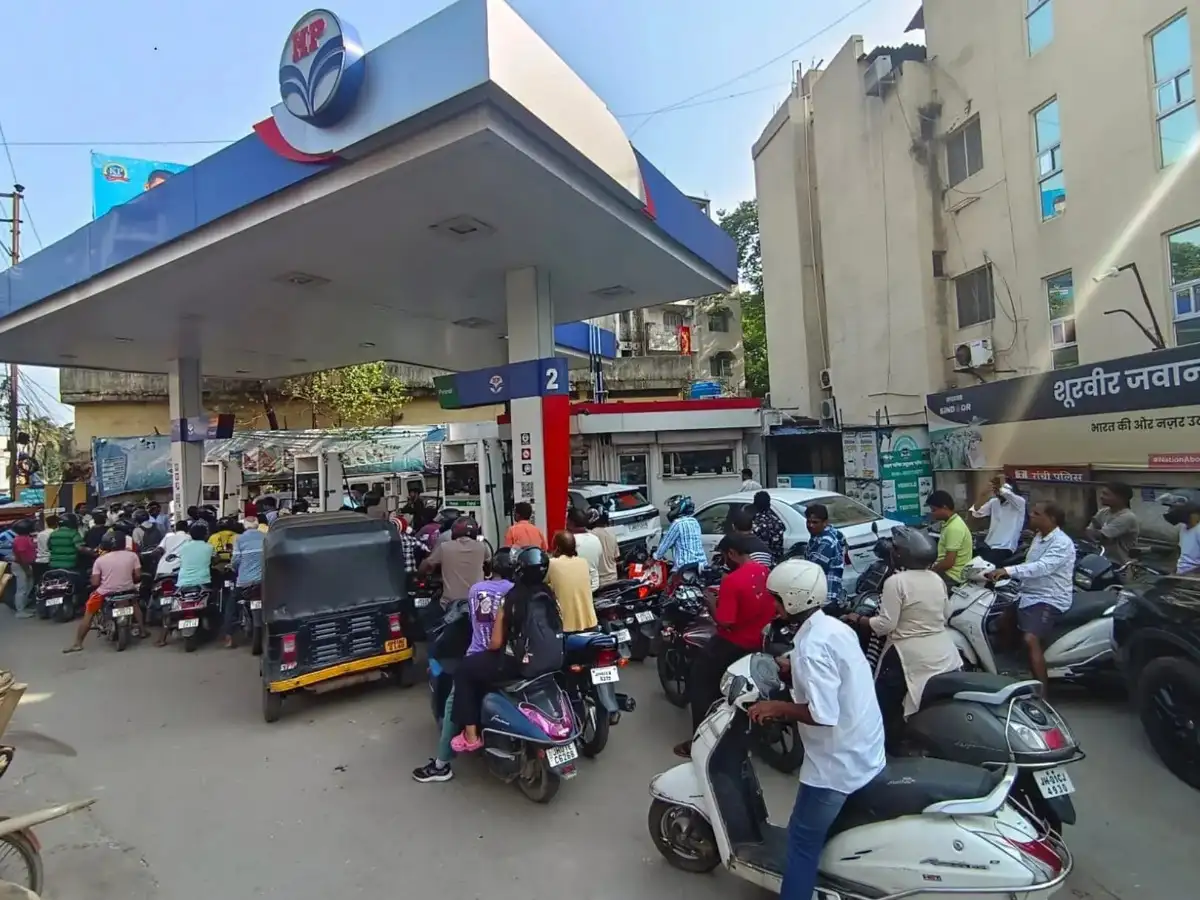
India has increased petrol and diesel prices by ₹3 per litre, marking the first nationwide fuel price hike in more than four years. The move is expected to raise transportation costs, push up inflation, and put additional pressure on household budgets and small businesses across the country.
Why India Raised Petrol and Diesel Prices in 2026
The fuel price hike comes after a prolonged period of stable retail prices that began in April 2022. On May 15, 2026, state-run oil marketing companies revised petrol and diesel rates upward by ₹3 per litre as global crude oil prices surged due to escalating geopolitical tensions in West Asia.
India imports more than 85 percent of its crude oil requirement. When international crude prices rise sharply, oil companies either absorb the losses or pass them on to consumers. Over the past several weeks, rising import costs had increased pressure on public sector refiners such as Indian Oil Corporation, Bharat Petroleum Corporation Limited, and Hindustan Petroleum Corporation Limited.
According to multiple reports, the ₹3 increase was intended to partially offset these losses rather than fully recover them.
New Petrol and Diesel Prices in Major Cities
After the latest revision, petrol prices in Delhi moved to around ₹97.77 per litre, while diesel rose to about ₹90.67 per litre. Prices in Mumbai, Chennai, Kolkata, and other cities are higher because of state-level VAT and local levies.
For consumers in metros and smaller cities alike, the increase may appear modest. But for families that use two-wheelers or cars daily, and for businesses operating delivery vehicles or generators, the cumulative impact can be significant.
Impact on Household Budgets
For most households, the immediate effect is a higher monthly fuel bill.
If a commuter uses 40 litres of petrol a month, a ₹3 increase translates into an additional ₹120 in direct fuel expenses. On its own, that may seem manageable. The larger concern is indirect inflation.
Diesel powers trucks, buses, farm equipment, and goods transport networks. When diesel prices rise, logistics costs increase. Businesses often pass those costs to consumers in the form of higher prices for vegetables, groceries, milk, and household essentials.
This means even people who do not own vehicles can feel the impact of the fuel price hike.
What It Means for Small Businesses
Small businesses are particularly sensitive to fuel costs because transportation is a core operating expense.
Local retailers, distributors, taxi operators, food delivery partners, and service professionals all rely on fuel. A ₹3 per litre increase may reduce already thin margins unless businesses raise prices.
For example:
- A courier company with a fleet of two-wheelers will see higher daily operating costs.
- A kirana store paying more for incoming stock may face tighter profitability.
- A school van operator may eventually need to revise fees.
- Farmers using diesel-powered irrigation pumps could see higher cultivation costs.
Tier-2 and Tier-3 cities, where many businesses depend on road transport and price-sensitive consumers, may feel the pressure more acutely.
Fuel Prices and Inflation in India
Fuel costs have a direct relationship with inflation. Higher petrol and diesel prices increase transportation and production costs across the economy.
Economists expect the latest price revision to add some upward pressure to consumer prices, especially if global crude remains elevated. Sectors such as FMCG, agriculture, logistics, and public transport are likely to be affected first.
If fuel prices continue to rise, the Reserve Bank of India may need to watch inflation trends more closely when making interest rate decisions.
Why Global Crude Oil Prices Matter
India’s fuel pricing is closely linked to international crude oil markets.
Recent tensions around the Middle East, including concerns over oil supply routes such as the Strait of Hormuz, have pushed global oil prices higher. Since India is a major importer, even temporary supply disruptions can raise the country’s import bill and weaken the rupee.
When the rupee depreciates against the US dollar, imported oil becomes even more expensive.
Can Fuel Prices Rise Further?
Yes, further increases are possible if crude oil prices remain elevated for an extended period.
Industry experts have noted that the current ₹3 per litre increase may not fully cover losses incurred by oil marketing companies. If global prices stay high, more revisions cannot be ruled out.
At the same time, the government may try to balance inflation concerns with the financial health of state-run oil companies.
How Consumers and Businesses Can Respond
While fuel prices are beyond individual control, households and small businesses can take practical steps:
Use route planning to reduce unnecessary travel, maintain vehicles regularly to improve mileage, and consolidate deliveries or purchases wherever possible. Businesses can also review pricing strategies and operating costs to protect margins.
Even small efficiency gains can help offset part of the increase.
Takeaways
- India has raised petrol and diesel prices by ₹3 per litre for the first time in more than four years.
- The increase reflects higher global crude oil prices and mounting losses for oil marketing companies.
- Households will face both higher fuel bills and indirect inflation in everyday essentials.
- Small businesses and transport-dependent sectors are likely to see tighter margins.
Frequently Asked Questions
Why did petrol and diesel prices increase in India?
Prices were raised due to a sharp increase in global crude oil prices and the financial pressure on oil marketing companies.
How much have fuel prices increased?
Petrol and diesel prices were increased by ₹3 per litre effective May 15, 2026.
Will this affect food and grocery prices?
Yes. Higher diesel prices increase transportation costs, which can lead to higher prices for essential goods.
Can fuel prices rise again?
If crude oil prices remain high, additional increases are possible.










Leave a comment