

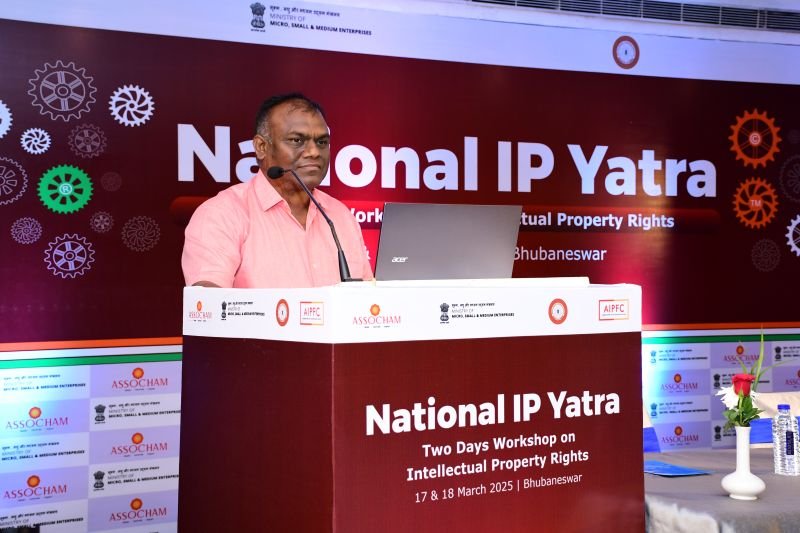
National IP Yatra 2025 is a time-sensitive policy and outreach initiative aimed at strengthening intellectual property awareness among MSMEs, startups, and local innovators. With Pune as a key stop, the programme seeks to translate IP policy into on-ground adoption across Tier-2 and Tier-3 business ecosystems.
National IP Yatra 2025 focuses on building practical understanding of intellectual property rights among micro, small, and medium enterprises that often operate without formal IP protection. The initiative comes at a time when Indian MSMEs are increasingly innovating in manufacturing, engineering services, agritech, and deep-tech adjacent sectors, yet remain vulnerable due to low awareness of patents, trademarks, and design registrations.
Why National IP Yatra 2025 matters for MSMEs
The central objective of National IP Yatra 2025 is to bridge the gap between innovation and protection. A large proportion of Indian MSMEs create unique processes, products, or brand assets but fail to secure legal ownership. This exposes them to imitation, price undercutting, and loss of competitive advantage. By conducting structured outreach programmes, workshops, and advisory sessions, the Yatra aims to make IP a business tool rather than a legal afterthought. For MSMEs, this shift can directly impact valuation, scalability, and access to institutional funding.
Pune as a strategic hub for IP outreach
Pune’s inclusion as a major stop reflects its role as a manufacturing, engineering, and startup hub beyond metro dominance. The city hosts thousands of MSMEs across auto components, precision engineering, electronics, IT services, and emerging hardware startups. Many of these enterprises operate in B2B environments where process innovation and proprietary design are critical. National IP Yatra 2025 in Pune is expected to target founders, plant owners, and R&D heads who influence long-term business strategy but often lack formal IP guidance.
What MSMEs can expect from the IP awareness sessions
The Yatra typically combines awareness sessions with practical guidance. MSMEs are introduced to the basics of patents, trademarks, copyrights, and industrial designs, along with clarity on timelines, costs, and commercial relevance. Emphasis is placed on identifying what qualifies as protectable IP rather than promoting blanket registrations. For example, a small engineering firm may learn how to patent a manufacturing process, while a consumer-facing MSME may focus on trademarking its brand and packaging. This applied approach improves adoption compared to generic legal seminars.
Connecting IP protection to funding and growth
One of the critical messages of National IP Yatra 2025 is the link between IP ownership and business growth. Investors, lenders, and strategic partners increasingly evaluate IP assets when assessing MSMEs and startups. Patents and trademarks strengthen credibility, enable licensing revenue, and reduce perceived business risk. For enterprises in Tier-2 and Tier-3 cities, IP-backed credibility can open doors to national and international partnerships that were previously inaccessible. The Yatra positions IP not as a compliance burden but as a growth lever.
Addressing common IP misconceptions among small businesses
A major barrier to IP adoption among MSMEs is the belief that intellectual property is expensive, complex, and only relevant to large corporations. National IP Yatra 2025 directly addresses these misconceptions. By breaking down cost structures, government support mechanisms, and simplified filing processes, the programme aims to demystify IP. MSMEs are also educated on defensive strategies such as trademark searches and early filings that prevent future disputes. This preventive mindset is particularly important for businesses expanding into new markets or digital channels.
Expanding impact beyond Pune into Tier-2 and Tier-3 regions
While Pune is a focal point, National IP Yatra 2025 is designed to extend its impact across multiple regions. Tier-2 and Tier-3 cities often house export-oriented MSMEs that face higher risks of IP theft and brand misuse. By taking awareness directly to these ecosystems, the initiative reduces dependency on urban legal networks. Over time, this distributed approach can help create a culture where IP planning becomes part of early-stage business decision-making rather than a reactive step after disputes arise.
Long-term implications for India’s innovation ecosystem
If executed consistently, National IP Yatra 2025 can strengthen India’s grassroots innovation pipeline. Higher IP adoption among MSMEs improves formalisation, enhances data visibility, and supports national goals around innovation-led growth. For policymakers, increased IP filings from smaller cities provide insights into regional innovation trends. For businesses, stronger IP ownership improves resilience and long-term competitiveness. The real success of the Yatra will be measured by sustained behavioural change rather than event attendance numbers.
Takeaways
National IP Yatra 2025 aims to convert MSME innovation into protected business assets
Pune’s inclusion highlights the focus on non-metro manufacturing and startup hubs
The initiative links IP awareness directly with funding, valuation, and scalability
Tier-2 and Tier-3 outreach is central to building a broader innovation culture
FAQs
What is National IP Yatra 2025?
It is an awareness and outreach programme designed to educate MSMEs and startups on intellectual property rights and their business relevance.
Who should attend the IP Yatra sessions?
MSME owners, startup founders, product managers, and R&D teams who create or manage proprietary products, processes, or brands.
Is IP registration mandatory for MSMEs?
Registration is not mandatory, but it provides legal protection and commercial advantages that support long-term growth.
How does IP awareness help small businesses practically?
It helps prevent imitation, strengthens market positioning, improves investor confidence, and enables licensing or expansion opportunities.












Leave a comment