

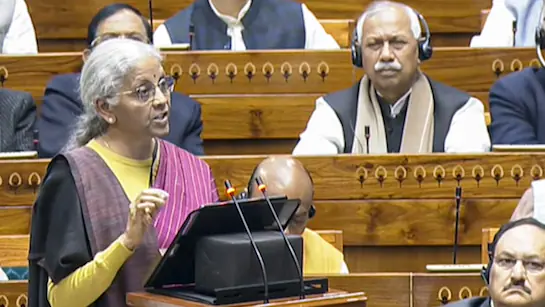
Budget support for the Orange Economy has emerged as a clear policy signal in the latest fiscal framework. Creative industries spanning media, animation, gaming, design, and digital content are now positioned as economic growth drivers rather than peripheral cultural sectors.
This is a time sensitive, news-driven topic. The measures are directly linked to current budget announcements and are intended to influence near-term investment, employment, and industry expansion.
What the Orange Economy Means in the Indian Context
The Orange Economy refers to economic activities driven by creativity, intellectual property, and cultural production. In India, this includes animation, visual effects, gaming, comics, digital content creation, advertising, film production, design services, and emerging creator-led businesses.
Budget support for the Orange Economy reflects a shift in how policymakers view these sectors. Instead of treating them as informal or entertainment-driven, the budget places them within the broader industrial and employment strategy. This matters because creative industries already contribute significantly to exports, freelancing income, and digital services growth, especially from Tier-2 and Tier-3 cities.
India’s advantage lies in scale and talent. A large pool of designers, editors, animators, and developers already services global clients. The budget’s recognition signals intent to formalise, skill, and scale this workforce.
Key Budget Signals for Creative Industries
Budget support for the Orange Economy is not structured as direct cash subsidies. Instead, it focuses on ecosystem building. This includes support for AVGC related infrastructure, creator-focused labs, skilling initiatives, and integration with digital public platforms.
Such measures reduce entry barriers for startups and freelancers in creative fields. Access to shared infrastructure lowers capital costs for small studios and independent creators. Skill development programmes improve employability while aligning talent with global quality standards.
The absence of aggressive regulation is also a signal. By avoiding restrictive compliance burdens, the budget allows experimentation and innovation, which are critical in creative sectors. At the same time, formal recognition opens the door for easier access to credit, institutional funding, and export promotion schemes.
Employment and Tier-2, Tier-3 Growth Potential
One of the strongest arguments for budget support for the Orange Economy lies in employment generation. Creative industries are labour intensive, project based, and geographically flexible. This makes them ideal for decentralised job creation.
Tier-2 and Tier-3 cities already host large numbers of video editors, graphic designers, gaming artists, and content managers working remotely for national and global clients. Budget-backed skilling and infrastructure can convert this informal workforce into a stable employment engine.
Unlike traditional manufacturing, creative jobs require lower physical infrastructure and scale faster through digital platforms. This aligns with India’s demographic profile and urbanisation patterns. The budget’s approach suggests an intent to absorb young talent into productive work without forcing migration to metros.
Investment and Business Model Expansion
Budget support for the Orange Economy also improves the investment narrative. Creative startups often struggle with funding due to intangible assets and unpredictable revenue cycles. Policy recognition reduces perceived risk for investors by framing the sector as strategic rather than experimental.
Gaming studios, animation houses, and content-tech platforms benefit from clearer growth pathways. Intellectual property creation becomes more bankable when supported by policy, skilling pipelines, and export orientation.
Business models are also evolving. Subscription-based content, platform-led creator monetisation, and global outsourcing of creative services are becoming mainstream. Budget alignment with these trends helps startups plan longer-term rather than chasing short-term brand deals or project work.
Risks and Execution Challenges
Despite positive signals, budget support for the Orange Economy comes with execution risks. Fragmentation across ministries, uneven state-level implementation, and lack of awareness among creators could dilute impact.
There is also the risk of overemphasis on headline sectors like gaming and animation while neglecting smaller creative fields such as design, publishing, and regional content. Sustainable growth requires inclusive policy execution across the creative spectrum.
Additionally, global competition is intense. Countries in Southeast Asia and Eastern Europe are also investing heavily in creative exports. India’s advantage will depend on quality, IP protection, and timely delivery rather than cost alone.
What This Means for the Next Five Years
Budget support for the Orange Economy positions creative industries as a serious contributor to GDP, exports, and employment. The next five years will determine whether this recognition translates into scale or remains symbolic.
If implemented well, India could emerge as a global hub for digital creativity, not just a service provider but a creator of original intellectual property. The budget lays the foundation. Execution will define outcomes.
Takeaways
Budget support recognises creative industries as economic growth drivers
Employment opportunities are likely to expand beyond metro cities
Policy clarity improves investor confidence in creative startups
Execution and skill quality will determine long-term success
FAQs
What is the Orange Economy?
It includes industries driven by creativity and intellectual property such as media, animation, gaming, design, and digital content.
Does the budget provide direct funding to creators?
The focus is on infrastructure, skilling, and ecosystem support rather than direct cash payouts.
How does this benefit Tier-2 and Tier-3 cities?
Creative work is location flexible, enabling job creation outside major metros.
Will creative startups find it easier to raise funding?
Policy recognition improves credibility, which can support better access to institutional capital.












Leave a comment