

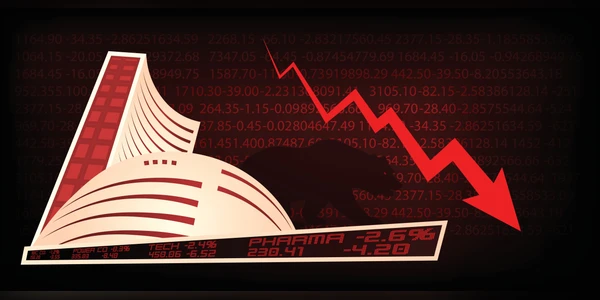
Budget 2026 stock impact is already visible across Sensex and Nifty as investors recalibrate positions after income tax changes and fiscal announcements. The Union Budget has introduced adjustments in personal income tax slabs, capital expenditure allocation and sector incentives, all of which influence equity market sentiment.
Markets typically react first to tax policy signals, then to earnings implications. This year is no different. Traders and long term investors are evaluating which sectors could see demand revival and margin expansion following the income tax revisions.
Income Tax Changes and Consumer Spending Boost
One of the key features of Budget 2026 is the adjustment in personal income tax slabs under the new tax regime. Higher exemption limits and rationalised rates increase disposable income for middle income households. In equity markets, this translates into expectations of improved consumption demand.
FMCG stocks, consumer durables companies and retail focused businesses often respond positively to such measures. If disposable income rises, spending on packaged goods, appliances and discretionary items tends to improve over subsequent quarters. Companies in automobiles, particularly entry level two wheelers and small cars, may also benefit.
However, the impact is not instant. Markets price in anticipated earnings growth. If corporate commentary during quarterly results confirms stronger demand trends, these stocks could sustain momentum.
Banking and Financial Stocks After Tax Policy Signals
The Sensex and Nifty both have heavy weight exposure to banking and financial services. Income tax relief can indirectly strengthen banks by improving retail loan demand. Higher take home income increases capacity for home loans, personal loans and vehicle financing.
Public sector banks and private sector lenders may see incremental credit growth if consumption accelerates. At the same time, fiscal discipline in the Budget matters for bond yields. If the government maintains a credible fiscal deficit target, it supports stable interest rates, which is positive for banking margins.
Insurance companies and asset management firms can also benefit. Higher disposable income often leads to increased investment in mutual funds and protection products. That trend supports financial services stocks over the medium term.
Infrastructure and Capital Expenditure Allocation
Beyond income tax changes, Budget 2026 continues to emphasise capital expenditure on infrastructure. Allocation toward roads, railways, defence manufacturing and renewable energy influences engineering and capital goods stocks.
Companies engaged in construction, project management and heavy equipment manufacturing could see order inflows if government spending remains strong. Historically, sustained capital expenditure boosts earnings visibility for infrastructure players.
Nifty and Sensex constituents in capital goods and industrial sectors tend to rally when the market expects multi year project pipelines. However, execution timelines and working capital cycles remain key risk factors. Investors are closely tracking order books and revenue conversion.
Impact on IT and Export Oriented Shares
Income tax changes have limited direct impact on information technology exporters. However, overall fiscal stance and macro stability influence currency movement and foreign investment flows. A stable fiscal outlook strengthens investor confidence in Indian equities.
IT services companies derive significant revenue from overseas clients. If the Budget signals economic stability and policy continuity, it supports foreign portfolio investment. That can drive valuation re rating in export oriented sectors.
Pharmaceutical companies and specialty chemical exporters may also benefit indirectly from a stronger macro narrative. Although income tax changes are domestic in nature, global investors consider overall economic policy when allocating capital to emerging markets.
Midcaps and Smallcaps in Focus
Budget driven sentiment often spills over into midcap and smallcap stocks. Companies linked to domestic consumption themes can see sharper moves compared to large caps due to lower liquidity and higher growth expectations.
Retail participation in equity markets has increased over the past few years. Income tax relief can encourage higher systematic investment plan flows into mutual funds. That liquidity supports broader market indices beyond Sensex and Nifty.
Investors should remain cautious about valuations. In past Budget cycles, excessive optimism led to short term rallies followed by corrections. Earnings delivery over the next two to three quarters will determine sustainability of any stock specific movement.
What Traders and Long Term Investors Should Watch
Short term traders are tracking sector rotation patterns. If consumption and banking stocks outperform, defensive sectors such as utilities may lag. Monitoring index heavyweights is crucial because they drive overall Nifty and Sensex movement.
Long term investors should focus on earnings growth rather than one day price reactions. Income tax changes are supportive, but corporate balance sheets and demand visibility matter more over time. Budget announcements create direction, but execution defines returns.
Corporate management commentary in the upcoming earnings season will validate or challenge the initial optimism. Order inflow data, loan growth figures and consumer demand indicators will shape the next leg of the market trend.
Takeaways
Income tax slab revisions increase disposable income and support consumption driven stocks
Banking and financial shares may gain from higher retail credit demand
Infrastructure allocation continues to favour capital goods and engineering companies
Earnings delivery in coming quarters will decide sustainability of market rally
FAQs
Which sectors benefit most from income tax relief in Budget 2026?
Consumer goods, automobiles, retail and financial services typically benefit from higher disposable income and improved credit demand.
Will Sensex and Nifty rise immediately after Budget announcements?
Markets often react quickly, but sustained movement depends on earnings growth and fiscal credibility.
How does fiscal deficit impact stock markets?
A controlled fiscal deficit supports stable interest rates and investor confidence, which is positive for equity valuations.
Should retail investors change portfolios after the Budget?
Portfolio decisions should be based on long term goals and earnings outlook, not just immediate Budget reactions.











Leave a comment