

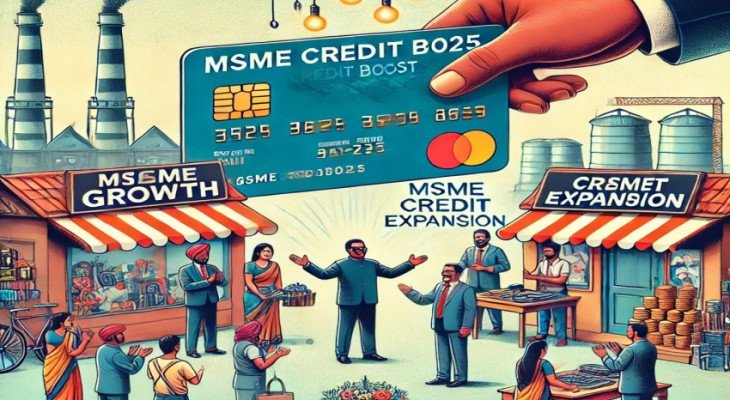
India’s Tier-2 cities are emerging as major drivers of MSME digital expansion in 2026. Rising internet penetration, affordable SaaS tools, UPI adoption, and government-backed digital initiatives are helping small businesses in non-metro regions compete with larger urban players more effectively than ever before.
India’s MSME digital expansion is no longer limited to Bengaluru, Mumbai, or Delhi. In 2026, Tier-2 and Tier-3 cities are becoming central to the country’s digital business transformation. Cities such as Indore, Nagpur, Surat, Coimbatore, Jaipur, Lucknow, Bhubaneswar, and Kochi are witnessing rapid adoption of digital payment systems, e-commerce platforms, cloud software, and AI-enabled business tools among micro, small, and medium enterprises.
According to recent industry reports from organizations including NASSCOM, RBI-linked digital payment studies, and startup ecosystem trackers, smaller cities are contributing significantly to India’s growing digital economy. Improved internet access, lower operational costs, and a younger entrepreneurial population are helping local businesses modernize operations at a faster pace.
This shift is creating new opportunities not only for MSMEs but also for fintech companies, SaaS startups, logistics firms, and digital marketing agencies targeting Bharat-focused consumers.
Affordable Digital Tools Are Accelerating MSME Adoption
One of the biggest reasons behind MSME digital expansion in Tier-2 cities is the falling cost of business technology. Earlier, small businesses depended heavily on manual bookkeeping, offline sales, and cash transactions. In 2026, many MSMEs are using affordable subscription-based software for billing, inventory management, customer support, and payroll operations.
Cloud-based tools have reduced the need for expensive infrastructure. Even small retailers and manufacturers can now access digital accounting systems through mobile applications. UPI-based payment systems have also normalized cashless transactions among local businesses and consumers.
Fintech platforms are increasingly focusing on smaller markets where digital adoption remains in growth mode. Lending startups are using alternative credit scoring systems to provide loans to MSMEs that traditionally struggled with formal banking access.
This transformation is especially visible in sectors such as textiles, local manufacturing, food processing, logistics, education services, and regional retail businesses.
Tier-2 Startup Ecosystems Are Supporting Local Businesses
The startup ecosystem in smaller Indian cities has matured considerably over the past few years. Incubators, co-working spaces, local investor networks, and state-backed startup policies are helping entrepreneurs launch digital-first businesses outside metro regions.
Many startups based in Tier-2 cities are solving hyperlocal problems. Some focus on regional language commerce platforms, while others provide digital marketing, supply chain management, or AI-enabled customer engagement services for MSMEs.
States such as Maharashtra, Gujarat, Tamil Nadu, Rajasthan, and Uttar Pradesh are actively supporting entrepreneurship through innovation hubs and startup incentives. As a result, local MSMEs now have easier access to digital service providers without depending entirely on companies from metro cities.
The rise of regional content creators and social commerce has also helped small businesses reach wider audiences. Local brands are increasingly using Instagram, YouTube, WhatsApp Business, and short-video platforms to attract customers directly.
Government Initiatives Continue to Support Digital Business Growth
Government-backed digital infrastructure remains a major factor behind India’s MSME digital growth story. Initiatives linked to Digital India, ONDC, GST digitization, GeM marketplace participation, and UPI expansion have created a more technology-friendly business environment.
The Open Network for Digital Commerce (ONDC) is particularly important for small businesses in non-metro cities. It allows local sellers to participate in e-commerce ecosystems without relying solely on dominant marketplaces. This gives regional businesses more visibility and pricing flexibility.
Skill development programs focused on digital literacy are also improving awareness among traditional business owners. Younger family members are often leading digital transformation efforts in family-run MSMEs, helping businesses adopt online selling models and digital operations.
Banks and NBFCs are also increasing outreach in smaller cities through digital onboarding systems and app-based financial services.
Challenges Still Exist Despite Strong Growth Momentum
While Tier-2 cities are driving MSME digital expansion, several challenges remain. Many businesses still face gaps in cybersecurity awareness, digital training, and reliable logistics infrastructure. Internet quality and operational support can vary significantly across smaller towns.
Another challenge is long-term profitability. Some MSMEs adopt digital platforms quickly but struggle to maintain consistent online sales or customer retention. Competition from larger e-commerce companies also remains intense.
Access to skilled digital talent is another issue. Many businesses in smaller cities still depend on freelancers or remote agencies for advanced digital marketing and technology integration.
However, experts believe the long-term trend remains positive because digital adoption is increasingly becoming essential rather than optional for MSMEs.
What This Means for India’s Economic Future
The growing role of Tier-2 cities in MSME digital expansion reflects a broader shift in India’s economic landscape. Instead of growth remaining concentrated in a few metro regions, business activity is spreading across multiple emerging cities.
This decentralization can strengthen local economies, generate employment, and reduce migration pressure on large urban centers. It also opens new markets for technology providers, fintech firms, and regional startups focused on Bharat-driven growth.
As India continues expanding its digital economy in 2026, MSMEs from smaller cities are expected to play a far bigger role in shaping consumption, innovation, and entrepreneurship nationwide.
Takeaways
- Tier-2 cities are becoming major contributors to India’s MSME digital growth in 2026
- Affordable SaaS tools, UPI adoption, and fintech services are driving transformation
- Government initiatives like ONDC and Digital India are supporting regional businesses
- Challenges remain in digital literacy, logistics, and cybersecurity awareness
FAQs
Why are Tier-2 cities important for MSME growth in India?
Tier-2 cities offer lower operational costs, growing internet penetration, and rising entrepreneurial activity, making them attractive for MSME expansion.
What technologies are MSMEs adopting in smaller cities?
MSMEs are increasingly using digital payments, cloud accounting software, inventory management tools, e-commerce platforms, and AI-based customer engagement systems.
How does ONDC help small businesses?
ONDC allows small businesses to participate in digital commerce networks without depending entirely on large marketplaces, improving visibility and market access.
What challenges do digitally expanding MSMEs still face?
Common challenges include cybersecurity risks, limited digital skills, logistics inefficiencies, and difficulty maintaining consistent online growth.









Leave a comment