

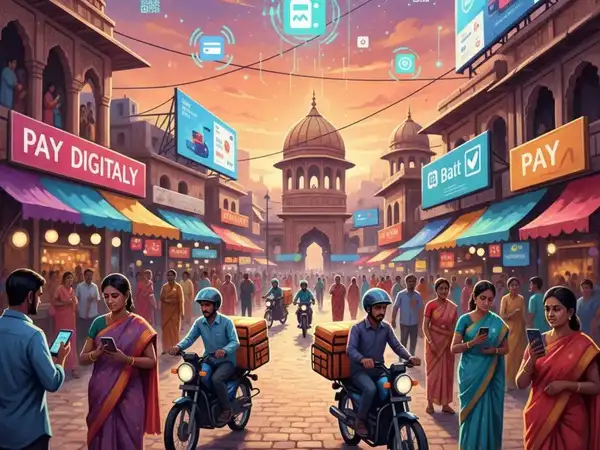
India’s new consumer economy in 2026 is increasingly being shaped by entrepreneurs from Tier-2 and Tier-3 cities. Affordable internet access, digital commerce, local manufacturing, and changing consumer aspirations are helping small-town founders build businesses that directly target Bharat’s growing middle-class population.
India’s consumer economy is no longer driven only by metropolitan cities. In 2026, small-town entrepreneurs are playing a major role in shaping the country’s retail, digital commerce, manufacturing, and service sectors. Founders from cities such as Indore, Nagpur, Surat, Ranchi, Jaipur, Kochi, and Lucknow are building businesses that understand local consumers far better than many metro-based companies.
This shift reflects a larger economic transformation. Rising smartphone usage, better digital payment systems, improved logistics networks, and affordable internet access have made it easier for entrepreneurs outside metros to launch and scale businesses. At the same time, consumers in smaller cities are spending more on lifestyle products, online shopping, financial services, healthcare, and digital entertainment.
The result is a new wave of startups and regional businesses focused on Bharat-first consumers.
Rise of Bharat-Focused Consumer Businesses
Small-town entrepreneurs are succeeding because they understand the needs of local markets. Many businesses launched from smaller cities focus on affordability, regional preferences, and practical consumer problems instead of premium urban lifestyles.
D2C brands selling ethnic fashion, packaged food, ayurvedic products, home essentials, and regional snacks are seeing rapid growth in non-metro regions. Entrepreneurs are also building businesses around local languages, cultural habits, and regional buying behavior.
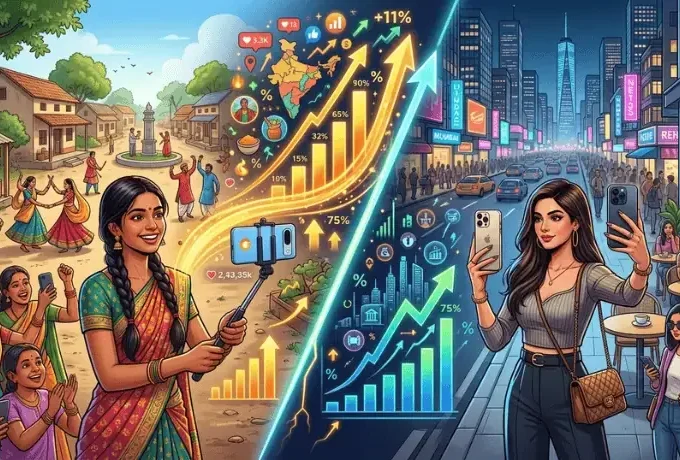
The rise of social commerce has accelerated this trend. Platforms such as WhatsApp, Instagram, YouTube, and short-video apps are allowing entrepreneurs to directly reach customers without depending heavily on expensive retail expansion.
Consumers in Tier-2 and Tier-3 cities are also becoming more brand-aware. Increasing disposable income and exposure to digital content are influencing buying decisions across categories including beauty products, electronics, personal finance, and education services.
Many startups now generate a majority of their sales from smaller cities instead of metros, a major shift from the market trends seen a decade ago.
Digital Infrastructure Creates New Business Opportunities
One of the biggest drivers behind India’s new consumer economy is digital infrastructure. UPI adoption, low-cost mobile data, and the expansion of e-commerce delivery networks have significantly reduced entry barriers for entrepreneurs.
A small-town founder can now launch an online business, advertise products through social media, accept digital payments instantly, and ship across India without requiring a large physical presence.
Government-backed digital initiatives have also contributed to this growth. Faster banking access, GST integration, and startup-focused state policies are helping smaller businesses operate more efficiently.
The creator economy has opened another opportunity for regional entrepreneurs. Local influencers and content creators are building audiences in Hindi, Marathi, Tamil, Bengali, and other regional languages. Brands are partnering with these creators to target specific communities and improve engagement rates.
This localized digital ecosystem is helping businesses grow faster in markets that were previously difficult to reach.
Manufacturing and Local Production Gain Momentum
Small-town entrepreneurs are not limited to digital businesses alone. Manufacturing and local production sectors are also expanding rapidly in emerging cities.
Many entrepreneurs are setting up textile units, food processing businesses, furniture manufacturing facilities, and packaging companies in Tier-2 locations where land and labor costs remain relatively affordable.
Cities like Surat, Rajkot, Coimbatore, Kanpur, and Ludhiana already have established industrial ecosystems that support small and medium enterprises. Startups entering these markets benefit from supplier networks, skilled labor availability, and existing transport infrastructure.
The push for local manufacturing under initiatives such as Make in India and Production Linked Incentive schemes has also encouraged business activity in smaller cities. Entrepreneurs are increasingly targeting both domestic and export markets through digitally enabled supply chains.
Regional manufacturing businesses are also benefiting from rising demand for locally sourced and affordable products among Indian consumers.
Investors Begin Looking Beyond Metro Cities
Investors are gradually shifting attention toward founders from non-metro regions. Venture capital firms and angel investors are realizing that India’s next phase of consumer growth will likely come from smaller cities rather than saturated metropolitan markets.
Many investors believe small-town entrepreneurs have a stronger understanding of Bharat consumers because they operate within those communities. This helps them build products with better pricing strategies and stronger local relevance.
Startup incubators, co-working spaces, and entrepreneurship programs are expanding in cities beyond Bengaluru and Mumbai. Educational institutions in smaller cities are also encouraging startup culture through innovation cells and business accelerators.
However, challenges still exist. Access to funding, mentorship, and large-scale networking opportunities remains limited for many founders outside major startup hubs. Logistics and infrastructure quality can also vary significantly between regions.
Despite these barriers, the momentum behind India’s small-town entrepreneurship ecosystem continues to grow rapidly in 2026.
India’s Consumer Economy Is Becoming More Regional
The Indian consumer market is becoming more decentralized. Businesses are no longer designing products only for metro audiences. Instead, companies are adapting to regional demand, language preferences, and price sensitivity.
This transformation is creating opportunities for entrepreneurs who understand local consumers deeply. It is also reshaping how brands approach marketing, retail expansion, manufacturing, and digital engagement.
Industry analysts believe small-town entrepreneurs could define the next decade of India’s economic growth as consumption patterns continue shifting toward emerging cities and rural markets.
Key Takeaways
- Small-town entrepreneurs are driving major growth in India’s consumer economy in 2026
- Digital payments, e-commerce, and affordable internet have reduced business barriers
- Bharat-focused startups are succeeding through regional and affordable business models
- Investors are increasingly exploring startup opportunities outside metro cities
FAQs
Why are small-town entrepreneurs growing rapidly in India?
Affordable internet access, digital payments, social commerce, and rising local demand have created strong business opportunities for entrepreneurs in smaller cities.
Which sectors are growing most in Tier-2 and Tier-3 cities?
Retail, D2C brands, food processing, manufacturing, digital services, healthcare, and social commerce sectors are expanding rapidly.
Are investors funding startups from smaller cities?
Yes. Many investors are now focusing on Bharat-focused startups because smaller cities represent a large and growing consumer market.
How is digital technology helping small-town businesses?
Digital platforms help entrepreneurs market products online, accept payments, manage logistics, and reach customers nationwide at lower costs.








Leave a comment