

India’s Viksit Bharat vision is emerging as a major framework for economic transformation, focusing not only on large industries but also on strengthening MSMEs, skill development, and regional entrepreneurship. As policymakers push for inclusive growth and balanced development, smaller businesses and emerging entrepreneurs are expected to play a critical role in achieving the country’s long-term economic goals.
Viksit Bharat and the Role of Local Economic Growth
The concept of Viksit Bharat aims to transform India into a developed nation by 2047. While infrastructure, manufacturing, technology, and innovation remain key pillars, the strategy increasingly emphasizes grassroots economic participation.
Micro, Small and Medium Enterprises (MSMEs) account for a significant share of India’s economic activity. The sector contributes nearly 30 percent of the country’s GDP and supports millions of jobs across urban and rural regions. As India seeks faster and more inclusive growth, policymakers view MSMEs as a crucial engine for employment generation and regional development.
The focus on local manufacturing, digital adoption, export promotion, and financial inclusion creates opportunities for businesses operating beyond metropolitan cities. This shift is particularly important for Tier-2 and Tier-3 cities, where entrepreneurship is growing rapidly.
MSMEs Expected to Benefit from Policy Support
Government initiatives in recent years have focused on improving access to credit, reducing compliance burdens, and encouraging digital transformation among small businesses.
Schemes supporting formalization, digital payments, manufacturing incentives, and market access have helped many enterprises expand their operations. Under the broader Viksit Bharat framework, experts expect continued efforts to strengthen supply chains, improve logistics infrastructure, and simplify business processes.
Access to technology is becoming a major competitive advantage for MSMEs. Businesses that adopt digital tools, e-commerce platforms, automation solutions, and data-driven operations are increasingly able to reach larger markets and improve efficiency.
Improved transportation networks, industrial corridors, and digital connectivity are also making it easier for small businesses in regional locations to compete with firms operating in larger cities.
Skill Development Becomes a Growth Priority
One of the most important components of the Viksit Bharat vision is human capital development. Economic growth cannot be sustained without a skilled workforce capable of meeting future industry demands.
India has one of the world’s youngest populations, creating both an opportunity and a challenge. To fully benefit from its demographic advantage, the country must ensure that young people possess relevant skills for modern industries.
Skill development programs are increasingly focusing on manufacturing, digital services, artificial intelligence, electronics, logistics, renewable energy, healthcare, and emerging technologies. Vocational education and industry-linked training programs are also receiving greater attention.
For MSMEs, access to a skilled workforce improves productivity and innovation. For job seekers, skill development enhances employability and career opportunities. This creates a mutually beneficial cycle that supports broader economic growth.
Regional Entrepreneurship Gains Momentum
The growth of regional entrepreneurship is becoming one of India’s most significant economic trends.
Traditionally, startup activity was concentrated in cities such as Bengaluru, Mumbai, Delhi, and Hyderabad. However, entrepreneurs from smaller cities are increasingly building successful ventures in sectors ranging from agriculture technology and fintech to healthcare and consumer products.
Improved internet connectivity, digital payment infrastructure, startup incubation programs, and easier access to information have reduced many of the barriers that once limited entrepreneurship outside major urban centers.
Cities such as Indore, Nagpur, Surat, Jaipur, Coimbatore, Bhubaneswar, and Kochi are witnessing growing startup ecosystems. Local founders are developing solutions tailored to regional challenges, creating businesses that serve both local and national markets.
This trend aligns closely with the Viksit Bharat objective of creating balanced economic growth across different regions rather than concentrating opportunities in a handful of metropolitan hubs.
Infrastructure and Digital Connectivity Drive Opportunities
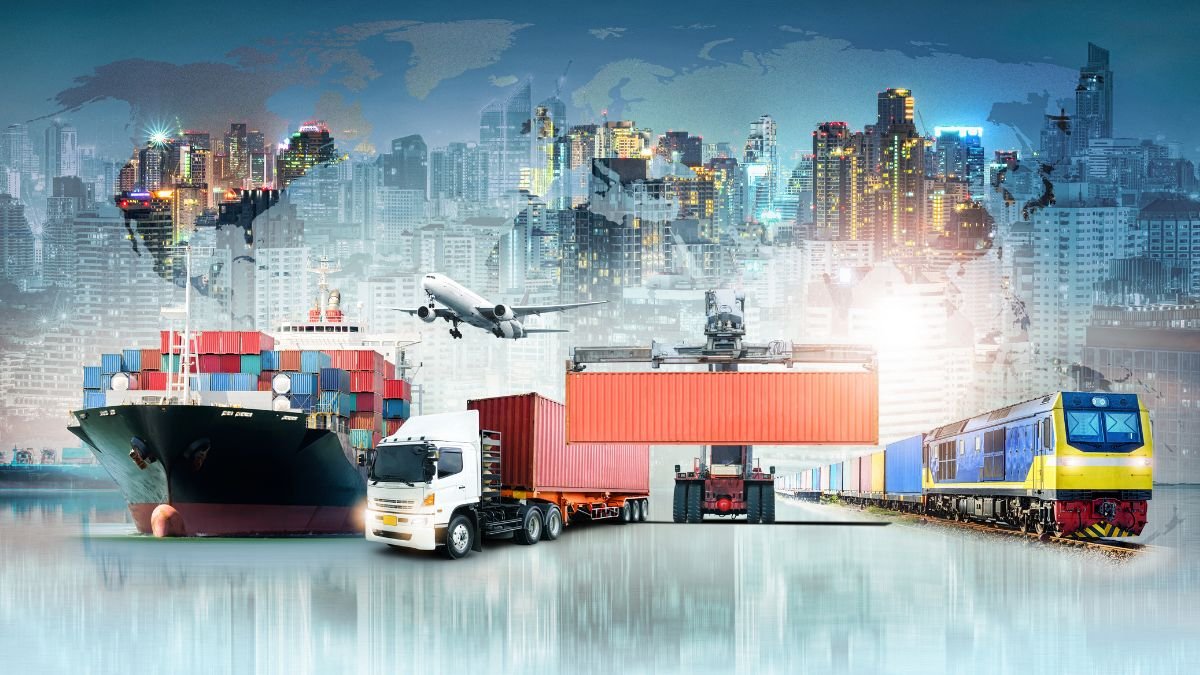
Infrastructure development remains a foundational element of economic expansion. Investments in roads, railways, airports, logistics parks, industrial clusters, and broadband connectivity are helping integrate regional economies with national and global markets.
Digital public infrastructure has further accelerated opportunities for entrepreneurs and small businesses. Platforms supporting digital identity, payments, and online services have enabled businesses to operate more efficiently and reach customers across the country.
As connectivity improves, entrepreneurs in smaller cities can access resources, customers, investors, and partners that were previously difficult to reach. This creates a more competitive and dynamic business environment.
For many regions, infrastructure investments are not only improving mobility but also attracting private investment and creating new employment opportunities.
Looking Ahead to a More Inclusive Growth Model
The Viksit Bharat vision reflects a broader understanding that economic development must extend beyond major corporations and large urban centers. Sustainable growth requires empowering small businesses, developing workforce capabilities, and encouraging entrepreneurship across all regions.
MSMEs, skilled workers, and regional entrepreneurs are expected to play an increasingly important role in India’s growth story over the coming decades. Their success will help generate employment, drive innovation, strengthen local economies, and contribute to the country’s development ambitions.
As India moves toward its 2047 goals, the combination of policy support, infrastructure development, skill enhancement, and entrepreneurial growth could become one of the defining factors shaping the nation’s economic future.
Key Takeaways
• MSMEs remain central to India’s strategy for employment generation and economic growth.
• Skill development initiatives are expected to support future workforce and industry requirements.
• Regional entrepreneurship is expanding rapidly in Tier-2 and Tier-3 cities.
• Infrastructure and digital connectivity are creating new business opportunities across India.
FAQs
What is Viksit Bharat?
Viksit Bharat is India’s long-term vision of becoming a developed nation by 2047 through economic growth, infrastructure development, innovation, and inclusive human development.
Why are MSMEs important for Viksit Bharat?
MSMEs contribute significantly to GDP, exports, and employment, making them critical for inclusive and sustainable economic growth.
How does skill development support economic growth?
Skill development improves workforce productivity, increases employability, and helps industries access qualified talent.
Why is regional entrepreneurship gaining attention?
Entrepreneurs in smaller cities are creating innovative businesses, generating local jobs, and contributing to balanced economic development across India.
(Viksit Bharat, MSME Growth India, Regional Entrepreneurship, Skill Development India, Tier 2 Cities Business, Startup Ecosystem India, Economic Development India, MSME Opportunities, Viksit Bharat 2047, Small Business Growth)











Leave a comment