

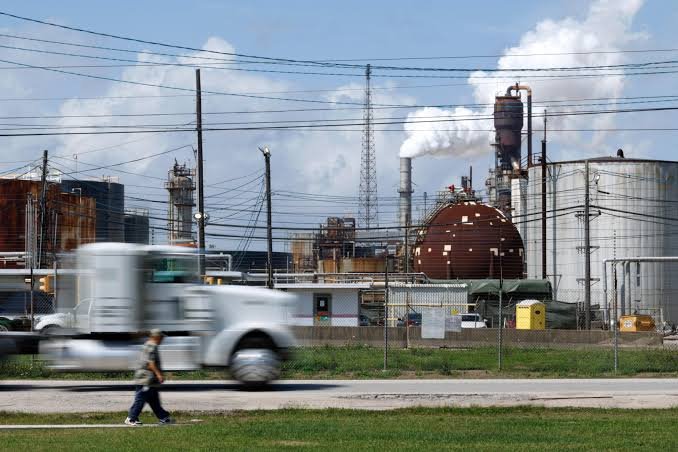
Higher global crude oil prices are becoming a growing concern for India as businesses face rising input and transportation costs while households remain exposed to fuel and food price pressures. With crude near elevated levels and inflation already firming, a prolonged oil shock could affect margins, spending and economic growth.
Crude Oil Prices Remain a Key Risk for India
Rising oil prices have again become an important concern for the Indian economy as global crude has remained elevated amid continuing geopolitical uncertainty in West Asia. On August 20, petrol and diesel prices in major Indian cities were largely stable, but that does not eliminate the pressure created by higher international crude prices.
India is particularly exposed to global oil movements because it relies heavily on imported crude to meet domestic demand. This means a sustained increase in international prices can raise the country’s import bill and increase the amount of foreign currency required for energy purchases.
The impact does not stop at petrol and diesel. Oil is an important input for transportation, chemicals, plastics, synthetic materials and several industrial processes. When crude becomes more expensive, the effect can gradually spread through different parts of the economy.
Why Higher Oil Prices Matter for Indian Businesses
For businesses, the first pressure point is often transportation. Companies that move raw materials or finished goods by road, particularly manufacturers, distributors and retailers, can face higher logistics expenses when diesel and other fuel-related costs rise.
Small businesses in Tier-2 and Tier-3 cities can be particularly sensitive to these changes because transportation costs can represent a meaningful share of operating expenses. A local manufacturer shipping products to another district, for example, may have limited room to absorb a sudden increase in freight costs.
Higher energy costs can also affect factories and other businesses indirectly. Companies may face more expensive packaging, chemicals, plastics and other petroleum-linked inputs.
The latest wholesale inflation data shows why this issue deserves attention. India’s WPI inflation stood at 9.78% in July 2026, while inflation in the Fuel and Power group was 20.05%. Manufactured-product inflation also increased to 8.29% from 7.48% in June.
Small Businesses Could Feel the Pressure First
Large companies generally have greater purchasing power and may have contracts or financial strategies that help them manage input-cost volatility. Smaller businesses often have fewer such protections.
A transport operator, food distributor, small factory or regional retailer may have to decide whether to absorb higher costs or increase prices. Neither option is easy.
If the business absorbs the additional cost, profit margins can shrink. If it passes the cost to customers, demand could weaken, particularly in price-sensitive markets.
This is especially relevant outside India’s largest metropolitan areas. Consumers in smaller cities and towns tend to be more sensitive to changes in everyday expenses, while local businesses often operate with narrower margins.
The result can be a gradual chain reaction: higher fuel costs raise transportation expenses, transportation affects distribution costs, and businesses eventually reassess the prices of goods and services.
Consumers May Face Wider Cost Pressures
For households, petrol and diesel prices are the most visible impact of an oil-price increase. However, the broader effect can be less obvious.
A rise in transportation costs can influence the price of vegetables, groceries, packaged products and other goods because these products have to move through supply chains before reaching consumers.
Fuel prices can also affect household budgets directly. When commuting becomes more expensive, families may have less money available for discretionary spending such as dining out, entertainment, travel or non-essential purchases.
This matters at a time when India’s retail inflation has already moved higher. Government data showed headline CPI inflation at 4.45% in July 2026, up from 4.38% in June. Food inflation was higher at 5.52%.
Higher oil prices do not automatically mean that retail inflation will surge. The final impact depends on the duration and size of the crude-price increase, domestic fuel pricing, taxes, exchange rates and how much of the additional cost businesses absorb.
Why Petrol Prices Do Not Always Move Immediately
An increase in global crude prices does not necessarily translate into an immediate increase at Indian fuel stations.
Retail fuel prices are influenced by several components, including the international price of crude and refined petroleum products, the rupee-dollar exchange rate, refining costs, dealer commissions and taxes.
This explains why consumers can sometimes see relatively stable petrol and diesel prices even when international crude markets are volatile.
As of August 10, the Petroleum Planning and Analysis Cell listed Delhi’s petrol retail selling price at ₹102.12 per litre and diesel at ₹95.20 per litre based on Indian Oil outlets.
That stability can provide temporary relief to consumers and businesses. However, if higher crude prices persist, pressure can eventually build across fuel and other energy-related costs.
The Rupee Could Add Another Layer of Pressure
Crude oil is traded internationally in US dollars, which means the rupee’s movement is another important factor for India.
If the rupee weakens against the dollar while crude prices are rising, Indian importers can face a double impact. The same quantity of oil becomes more expensive in rupee terms because both the commodity price and currency conversion work against the importer.
A stronger rupee, on the other hand, can partially cushion the impact of higher global crude prices.
This is one reason oil prices are closely watched by policymakers and financial markets. Higher import costs can affect India’s trade balance, currency demand and broader inflation expectations.
What It Could Mean for Inflation and the RBI
Oil prices are also important for monetary policy because persistent energy and input-cost increases can eventually feed into consumer prices.
India’s July CPI inflation of 4.45% remained below the Reserve Bank of India’s medium-term target of 4%, but the direction of inflation matters as much as the current number when assessing future policy conditions.
The RBI has to balance inflation risks with economic growth. If oil prices remain elevated for an extended period and begin affecting wider prices, policymakers could have less room to support demand through easier monetary conditions.
At the same time, a temporary oil-price spike would have a different impact from a prolonged period of high crude prices. Duration is critical.
Tier-2 Cities Could See a Stronger Local Impact
The oil-price story is particularly important for India’s smaller cities because local economies depend heavily on road transportation.
Goods moving between manufacturers, wholesalers, markets and retailers often travel by road. Higher fuel and freight expenses can therefore affect the cost structure of businesses operating across regional supply chains.
For consumers, the impact may appear through higher delivery charges, transportation expenses or the price of everyday products rather than through petrol alone.
Businesses in cities such as Nagpur, Indore, Jaipur, Lucknow, Surat and other growing commercial centres may therefore need to pay close attention to logistics costs and supplier pricing if crude remains elevated.
Businesses May Need to Protect Margins
Companies cannot control international crude prices, but they can manage how exposed they are to them.
Businesses may respond by improving logistics efficiency, negotiating longer-term supplier contracts, reducing unnecessary fuel consumption and reviewing inventory strategies.
For smaller businesses, even modest efficiency improvements can become important when input costs rise. Better route planning, consolidated shipments and local sourcing can sometimes reduce the impact of higher transportation expenses.
The key issue is not simply whether crude oil is expensive today. It is whether elevated prices persist long enough to change business costs, consumer behaviour and inflation expectations.
What Happens If Oil Prices Stay High?
A short-term rise in crude may be manageable if prices later fall. A prolonged increase would be more challenging.
Businesses could face sustained margin pressure, consumers could reduce discretionary spending, and manufacturers could pass higher input costs into final prices. The impact would vary significantly across industries.
Oil-intensive sectors such as transportation, chemicals, logistics and some manufacturing segments would generally be more exposed than businesses with limited direct energy consumption.
For investors and policymakers, the next few weeks will therefore matter. Market movements in crude, the rupee and domestic inflation will help determine whether the current pressure remains temporary or becomes a broader economic concern.
Key Takeaways
- Higher crude oil prices can raise transportation and input costs for Indian businesses.
- Tier-2 and Tier-3 businesses may face greater pressure because of freight costs and tighter operating margins.
- Consumers can feel the impact through fuel, transportation and potentially higher prices for goods.
- The duration of the oil-price increase will determine whether the impact remains temporary or feeds into broader inflation.
FAQ
Why are rising oil prices important for India?
India depends heavily on imported crude oil, so higher international prices can increase the country’s import bill and raise costs across transportation, manufacturing and other sectors.
Will higher crude oil prices immediately increase petrol prices in India?
Not necessarily. Retail fuel prices depend on several factors, including international petroleum prices, currency movements, taxes, refining costs and domestic pricing decisions.
How can higher oil prices affect small businesses?
Higher fuel and freight expenses can increase operating costs. Small businesses may either absorb those costs, reducing margins, or pass them on through higher prices.
Can higher oil prices increase inflation in India?
Yes, particularly if elevated prices persist. Higher energy and transportation costs can eventually feed into the prices of goods and services, although the final impact depends on several economic factors.
(Internal keywords: rising oil prices in India, crude oil prices India, impact of crude oil on Indian economy, petrol diesel prices India, oil prices and inflation, crude oil impact on businesses, India oil import bill, fuel prices and consumers, oil prices Tier-2 cities)












Leave a comment