

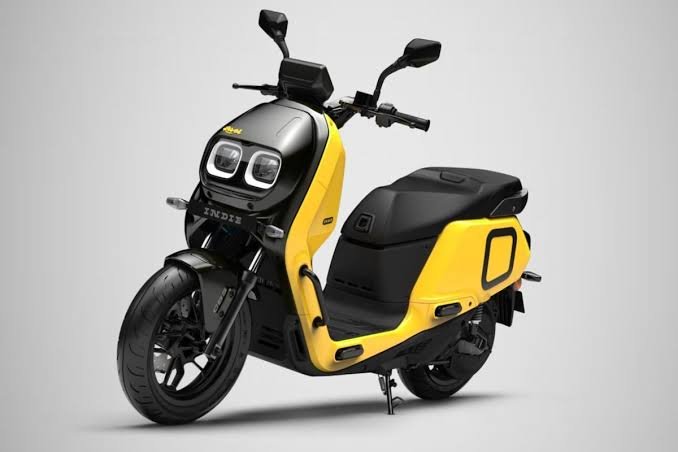
River Mobility has secured $120 million in fresh funding to expand manufacturing, launch new electric scooters, and strengthen its market presence. The investment reflects growing confidence in India’s electric mobility sector and could intensify competition among leading EV scooter manufacturers.
The River Mobility $120 million funding announcement marks one of the biggest fundraising events in India’s electric two-wheeler sector this year. The Bengaluru-based electric vehicle startup plans to use the fresh capital to significantly increase production capacity, introduce new products, and expand its manufacturing footprint. At a time when India’s EV market is witnessing rising consumer demand and stronger investor interest, River’s latest funding round highlights how competition in the electric scooter industry is entering a new phase.
River Mobility Plans Major Expansion After Fresh Funding
River Mobility’s Series C funding round was led by Elev8 Venture Partners and Claypond Capital, with participation from existing investors including Yamaha Motor, Al-Futtaim Group, and Mitsui & Co. The company intends to use the capital to expand its current manufacturing facility in Karnataka while also building a new production plant.
According to company executives, the upcoming facility will have the capacity to manufacture up to 80,000 electric scooters every month, compared to the current production capability of around 10,000 units. This represents one of the largest planned capacity expansions by an Indian electric scooter startup in recent years.
The investment also supports River’s product roadmap. The company has confirmed plans to launch another premium utility electric scooter by mid-2027 while continuing development of additional models.
India’s Electric Scooter Market Is Becoming More Competitive
India’s electric two-wheeler market has evolved rapidly over the past few years. Established manufacturers such as TVS Motor and Bajaj Auto now compete directly with newer companies like Ather Energy, Ola Electric and River Mobility.
Although River remains a relatively smaller player by sales volume, the company has built its identity around utility-focused electric scooters rather than purely performance-oriented models. Its flagship scooter, the River Indie, targets customers looking for practicality, storage space and everyday usability instead of only speed or technology features.
Government incentives, increasing fuel prices, growing environmental awareness and improved charging infrastructure have all contributed to higher EV adoption across Indian cities. Tier-2 and Tier-3 markets are also witnessing stronger demand as electric scooters become more affordable and service networks expand.
Why Investors Continue to Back Indian EV Startups
The funding round reflects broader investor confidence in India’s electric mobility ecosystem.
Unlike earlier years when many startups focused primarily on customer acquisition, investors are now paying greater attention to manufacturing capability, supply chain strength and long-term scalability. River’s decision to invest heavily in production infrastructure demonstrates this shift.
The company’s management has reported that revenue increased more than fourfold during FY2026 compared with the previous year, although audited financial figures are yet to be released. Strong sales growth, combined with an expanding product pipeline, likely played a significant role in attracting fresh capital.
Large institutional investors also increasingly view India’s EV market as a long-term opportunity supported by favourable government policies and rising domestic demand.
What This Means for Consumers Across India
For customers, River’s expansion could translate into greater product availability, improved after-sales support and a wider choice of electric scooters over the next two years.
As production increases, the company is expected to expand dealership and service networks beyond major metropolitan cities. This could particularly benefit buyers in Tier-2 and Tier-3 markets where access to premium electric scooter brands has traditionally been limited.
More competition may also encourage manufacturers across the industry to improve battery technology, increase riding range, enhance software features and introduce better pricing strategies.
Consumers are likely to benefit from faster innovation as companies compete for market share rather than relying only on promotional discounts.
Challenges Still Remain for River Mobility
Despite the positive momentum, River still faces significant competition.
Companies such as TVS Motor, Bajaj Auto and Ather Energy already possess larger manufacturing capabilities, broader dealer networks and stronger brand recognition. Building nationwide scale requires substantial investment not only in production but also in customer service, charging partnerships and spare parts availability.
The Indian EV market also continues to face challenges including battery supply chains, raw material costs and evolving government regulations.
Successfully executing its expansion plans while maintaining product quality will be crucial for River over the next few years.
The Bigger Picture for India’s EV Industry
River Mobility’s funding is another indication that investors continue to believe in India’s electric mobility story despite increased competition.
Rather than signalling market saturation, the investment suggests that capital is flowing toward companies with differentiated products, clear manufacturing strategies and long-term growth plans.
If River successfully scales production and launches new models as planned, the company could emerge as a stronger challenger in India’s rapidly expanding electric scooter segment.
For India’s EV industry, the funding reinforces that innovation, manufacturing investment and regional market expansion will remain central themes as the country moves toward wider electric vehicle adoption.
Key Takeaways
- River Mobility has raised $120 million in Series C funding to accelerate its expansion.
- The company plans to build a new factory capable of producing up to 80,000 scooters per month.
- Fresh investment could increase competition among India’s leading electric scooter manufacturers.
- Consumers may benefit through more product choices, improved service networks and faster innovation.
Frequently Asked Questions
Q1. Why did River Mobility raise $120 million?
The company plans to expand manufacturing capacity, launch new electric scooter models and strengthen its market presence across India.
Q2. Who invested in River Mobility?
The funding round was led by Elev8 Venture Partners and Claypond Capital, with participation from Yamaha Motor, Al-Futtaim Group, Mitsui & Co and other existing investors.
Q3. How will this funding affect India’s EV market?
The investment is expected to increase competition, encourage faster product innovation and improve EV availability across more Indian cities.
Q4. Will River launch new electric scooters?
Yes. The company has confirmed plans to introduce another premium utility electric scooter by mid-2027 while developing additional future models.










Leave a comment