

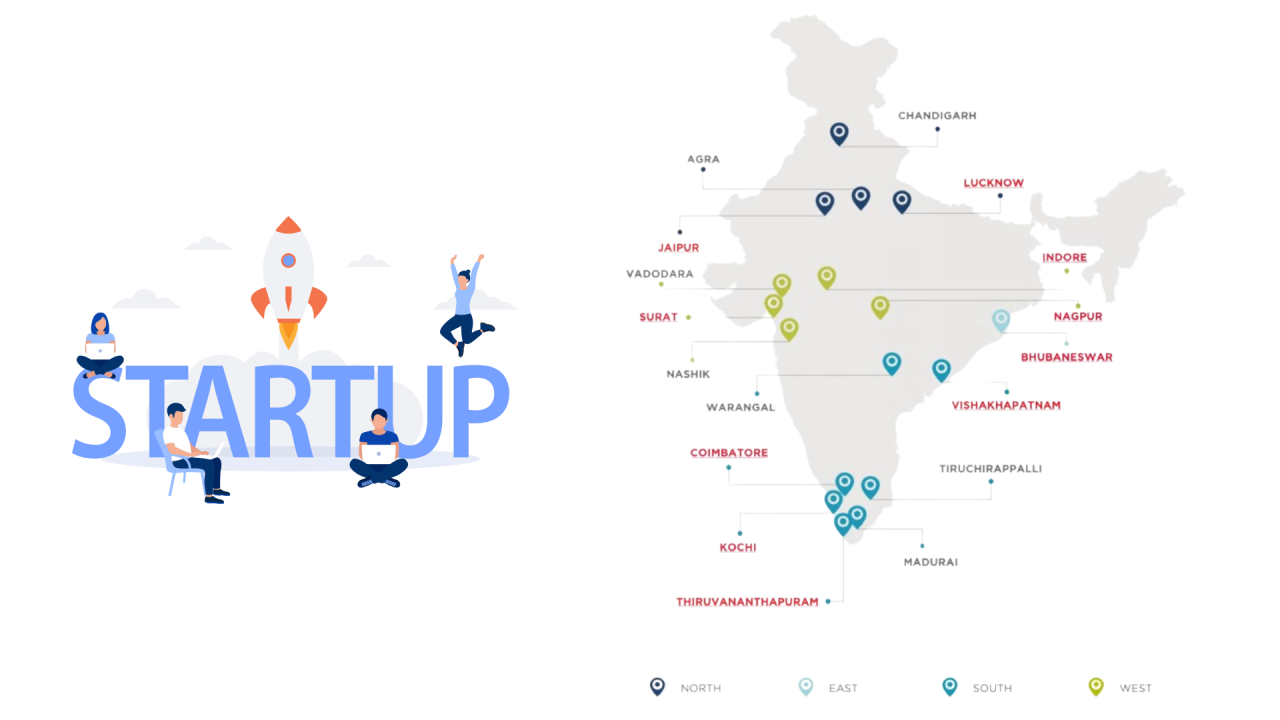
Tier 2 innovation hubs in India are gaining momentum as state level startup summits multiply across regions. Policymakers, investors, and entrepreneurs are increasingly focusing on smaller cities to unlock new growth opportunities and decentralise the country’s innovation ecosystem.
Tier 2 innovation hubs reflect evolving regional startup priorities
Tier 2 innovation hubs are emerging as significant contributors to India’s entrepreneurial landscape. Over the past few years, state governments have intensified efforts to promote innovation outside traditional metropolitan centres. Startup summits, policy incentives, and incubation programmes are playing a central role in shaping this transformation.
These hubs are benefiting from improved infrastructure, digital connectivity, and growing educational ecosystems. Cities such as Indore, Jaipur, Coimbatore, and Bhubaneswar have seen increased participation from early stage startups, particularly in sectors like fintech, agritech, health technology, and software services. The shift reflects a strategic attempt to distribute economic growth more evenly across regions.
State level summits are providing platforms for networking, investment discussions, and knowledge sharing. By bringing together founders, investors, and policymakers, these events aim to accelerate ecosystem maturity and encourage collaboration between public and private stakeholders.
State startup summits drive regional innovation ecosystems
State startup summits have become important catalysts for regional innovation ecosystems. Governments are using these events to announce policy measures, funding initiatives, and partnerships with academic institutions and industry bodies. The objective is to create an enabling environment where startups can access mentorship, capital, and market opportunities.
Secondary policy initiatives linked to these summits often include sector specific accelerators, grants for research and development, and incentives for local manufacturing. Such programmes are designed to reduce entry barriers for entrepreneurs and enhance the competitiveness of regional enterprises.
The expansion of these summits also reflects changing investor strategies. Venture capital firms and corporate investors are increasingly exploring opportunities beyond established technology hubs. This trend is driven by the recognition that talent and innovation potential exist across a wider geographic spectrum than previously assumed.
Economic and social impact of decentralised startup growth
The rise of Tier 2 innovation hubs has broader economic and social implications. By fostering entrepreneurship in smaller cities, governments aim to generate employment, reduce migration pressures, and strengthen local economies. Startups operating in these regions often focus on solving context specific challenges, such as agricultural productivity, logistics efficiency, and access to healthcare.
Decentralised innovation can also contribute to inclusive growth. As more entrepreneurs gain access to funding and institutional support, the benefits of economic expansion become more widely distributed. This approach aligns with national development priorities that emphasise balanced regional progress.
Furthermore, the integration of startups into local industrial ecosystems can enhance productivity across sectors. For example, technology driven supply chain solutions can improve market access for small manufacturers, while digital platforms can expand service delivery in semi urban and rural areas.
Challenges and future outlook for Tier 2 startup ecosystems
Despite the positive momentum, Tier 2 innovation hubs continue to face structural challenges. Access to large scale funding remains limited compared to metropolitan markets, and experienced talent pools can be smaller. Startups may also encounter difficulties in scaling operations due to infrastructure gaps or regulatory complexities.
However, sustained policy attention and ecosystem building efforts are gradually addressing these constraints. Improved connectivity, targeted skill development programmes, and stronger collaboration between academia and industry are expected to enhance the viability of regional startup ecosystems.
Looking ahead, the continued multiplication of state level startup summits could reinforce the shift toward decentralised innovation. If supported by consistent policy frameworks and investor participation, Tier 2 hubs have the potential to become key drivers of India’s long term economic transformation.
Takeaways
• Tier 2 innovation hubs are gaining prominence in India’s startup ecosystem
• State level summits are enabling policy support and investment engagement
• Regional entrepreneurship contributes to balanced economic development
• Structural challenges remain but ecosystem maturity is improving
FAQ
What are Tier 2 innovation hubs
They are emerging startup ecosystems located in smaller cities outside major metropolitan regions.
Why are state startup summits important
They provide platforms for funding discussions, policy announcements, and networking opportunities.
Which sectors are thriving in Tier 2 startup ecosystems
Fintech, agritech, health technology, manufacturing, and software services are key sectors.
Will Tier 2 cities compete with metro startup hubs
They may complement rather than replace metro hubs by offering new growth opportunities.











Leave a comment